

Maritime Injury Claims
Catastrophic Maritime Injuries: Your Rights After a Serious Accident at Sea
If you were injured while working on a vessel, fishing boat, or offshore platform, federal maritime law may entitle you to compensation. CHG Personal Injury Lawyers focuses exclusively on maritime injury claims nationwide.
By CHG Lawyers · Published September 20, 2026
Catastrophic Maritime Injuries: Know Your Rights After a Boating Accident
When someone you love suffers a catastrophic maritime injury—or dies—in a boating accident, the legal rules are completely different from ordinary personal-injury law. Maritime law is a federal system designed to protect workers, passengers, and families in uniquely dangerous situations.
If you’ve experienced a spinal cord injury, paralysis, traumatic brain injury, amputation, severe burns, or lost a family member, you need an attorney who understands maritime law. We serve English- and Spanish-speaking clients nationwide with clear explanations of your rights.
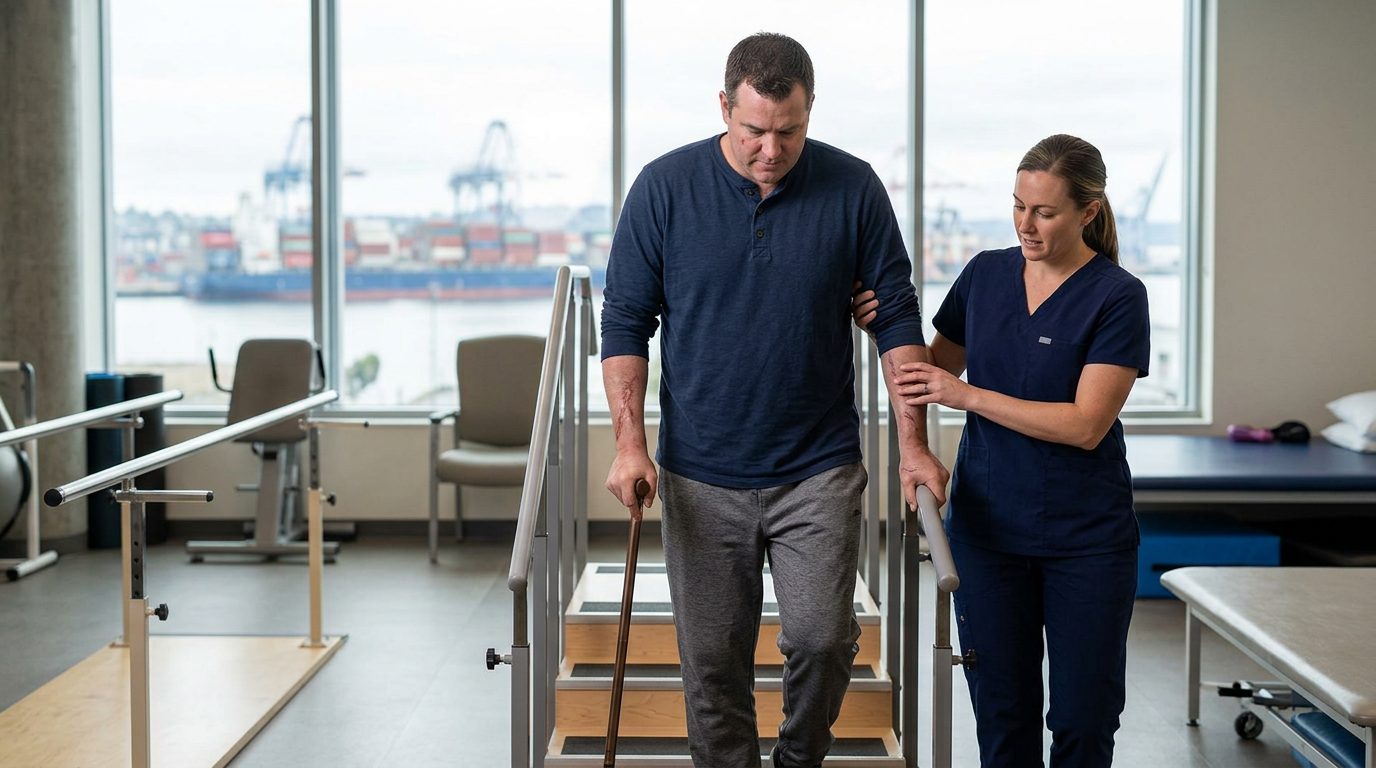
If you or a family member suffered a catastrophic injury in a maritime or boating accident, you may have a legal claim. Talk it through with our team — the first consultation is free, confidential, and carries no obligation.
What Makes Maritime Law Different
Maritime law exists because water-based work and recreation carry dangers that land law doesn’t address. Federal statutes create rights and protections that don’t exist in other industries.
Most workers can only recover through workers’ compensation, which limits benefits. Maritime workers can recover full damages: medical expenses, lost wages, pain and suffering, and permanent disability.
The unseaworthiness doctrine holds vessel owners strictly liable for injuries from unsafe conditions. You don’t need to prove negligence. Defective equipment, broken railings, faulty lifeboats, or unsafe working conditions all count.
Maintenance and cure requires employers to pay injured seamen’s medical care and living expenses during recovery—regardless of fault.
The Longshore and Harbor Workers’ Compensation Act (33 U.S.C. § 901 et seq.) covers dock workers and longshoremen with maritime-specific benefits.
The Death on the High Seas Act (46 U.S.C. § 30307) governs wrongful-death claims in international waters.
Catastrophic Maritime Injuries We Handle
We focus exclusively on life-altering catastrophic maritime injuries.
Spinal cord injuries and paralysis from boat collisions, falls overboard, or equipment failures. According to the Christopher & Dana Reeve Foundation, over 5.4 million Americans live with paralysis. Spinal cord injuries require lifetime medical care, assistive technology, and home modifications.
Traumatic brain injuries (TBI) from head trauma in boating collisions or near-drowning events. TBI causes permanent changes to thinking, movement, and mood—including memory loss, difficulty concentrating, and mood disorders. Symptoms are often invisible and require medical testimony.
Amputation and limb loss from propeller injuries, machinery entanglement, or crush injuries. Propeller injuries happen in seconds and are particularly common in recreational boating.
Severe burns from boat fires, explosions, or fuel incidents. Maritime fires spread rapidly in enclosed spaces. Severe burns require emergency care, skin grafts, and extensive rehabilitation.
Drowning and near-drowning injuries causing permanent brain damage. Hypoxic brain injury—damage from oxygen deprivation—causes catastrophic neurological damage.
Catastrophic back and neck injuries from impact trauma or unsafe working conditions, resulting in permanent impairment or paralysis.
Wrongful death. A death is the most catastrophic outcome. When a family member dies in a maritime accident, the family deserves to understand their legal options and what compensation they can recover.
Types of Maritime Accidents Causing Catastrophic Injury
Recreational boating accidents result from collisions, capsizing, operator negligence, and equipment failure. Many operators lack proper training.
Cruise ship injuries occur from falls, negligent security, medical negligence, or unsafe conditions. Cruise lines must maintain safe premises and protect passengers.
Commercial fishing vessel accidents involve machinery entanglement, falls overboard, collisions, and unsafe conditions. Commercial fishing is one of America’s most dangerous occupations.
Offshore oil rig injuries result from explosions, falls from heights, equipment failures, inadequate training, or safety violations.
Jet ski and personal watercraft accidents involve high-speed collisions, operator negligence, and propeller injuries.
Tug boat and barge accidents cause crew injuries from collisions, cargo shifts, or unsafe conditions.
Short-term rental boat injuries occur when defective vessels are rented without adequate safety equipment or hazard disclosure.
Who Is Liable in a Maritime Accident?
Vessel owners and operators must maintain safe vessels and operate them safely. They must inspect regularly and repair defects promptly.
Employers of maritime workers are liable under the Jones Act for negligence. They must maintain safe conditions and provide proper training.
Third-party contractors may be liable for negligence. A repair company that negligently fixes an engine causing injury is liable.
Manufacturers are liable for defective equipment, engines, or safety devices.
Cruise ship companies are liable for negligent security, inadequate safety measures, or failure to prevent foreseeable harm.
Short-term rental companies are liable for defective vessels or failure to disclose known hazards.
Maritime law uses comparative fault: liability is divided among parties based on their degree of negligence (Fla. Stat. § 768.81(6)).
Not sure what your next step is?
Talk it through with our team — the first consultation is free, confidential, and carries no obligation.
Statute of Limitations: Act Now
Time limits apply to maritime injury claims. Missing a deadline can cost you your case.
Jones Act claims carry a three-year statute of limitations for seamen suing employers.
LHWCA claims have a one-year statute of limitations for Department of Labor claims.
DOHSA claims (wrongful death) have a three-year statute of limitations from death.
Florida state law claims have a two-year statute of limitations (Fla. Stat. § 95.11).
The discovery rule may extend the deadline if injury wasn’t immediately apparent. But evidence deteriorates and witnesses’ memories fade. Contact an attorney immediately to preserve evidence.
Compensation for Catastrophic Maritime Injuries
If you have a valid maritime injury claim, you may recover:
- Medical expenses: past and future treatment, surgery, rehabilitation, assistive devices, and home modifications.
- Lost wages and earning capacity: compensation for income lost and reduced earning potential from permanent impairment.
- Pain and suffering: damages for physical pain, emotional distress, anxiety, and depression.
- Loss of enjoyment of life: compensation for inability to participate in activities you enjoyed.
- Maintenance and cure: employer-paid medical care and living expenses during recovery.
- Punitive damages: in cases of gross negligence, courts may award additional damages to punish and deter.
- Wrongful-death damages: funeral expenses, lost financial support, and loss of companionship.
Steps to Take After a Catastrophic Maritime Accident
-
Seek immediate medical attention. Medical records are crucial evidence of injury severity.
-
Report the accident. File an incident report with the vessel operator, cruise company, or U.S. Coast Guard. Get a copy.
-
Preserve evidence. Photograph the scene, vessel damage, weather, and hazards. Collect witness contact information.
-
Don’t sign documents or accept settlement offers without consulting an attorney.
-
Gather documentation. Collect incident reports, medical records, photographs, witness statements, and communications.
-
Contact a maritime injury lawyer immediately. The sooner you speak with an attorney, the sooner we preserve evidence and build your case.
Why Choose CHG Personal Injury Lawyers
Our practice focuses exclusively on catastrophic maritime and boating injuries. We don’t handle minor cases; we focus on life-altering injuries requiring dedicated knowledge.
Our attorneys are licensed in Florida and admitted to the Florida Bar.
We serve English- and Spanish-speaking clients with bilingual resources. We explain maritime law in plain language. We work on contingency: you pay nothing unless we recover compensation.
If you or a family member suffered a catastrophic injury in a maritime or boating accident, you may have a legal claim. Contact us for a free case evaluation and let our team help you understand your rights.
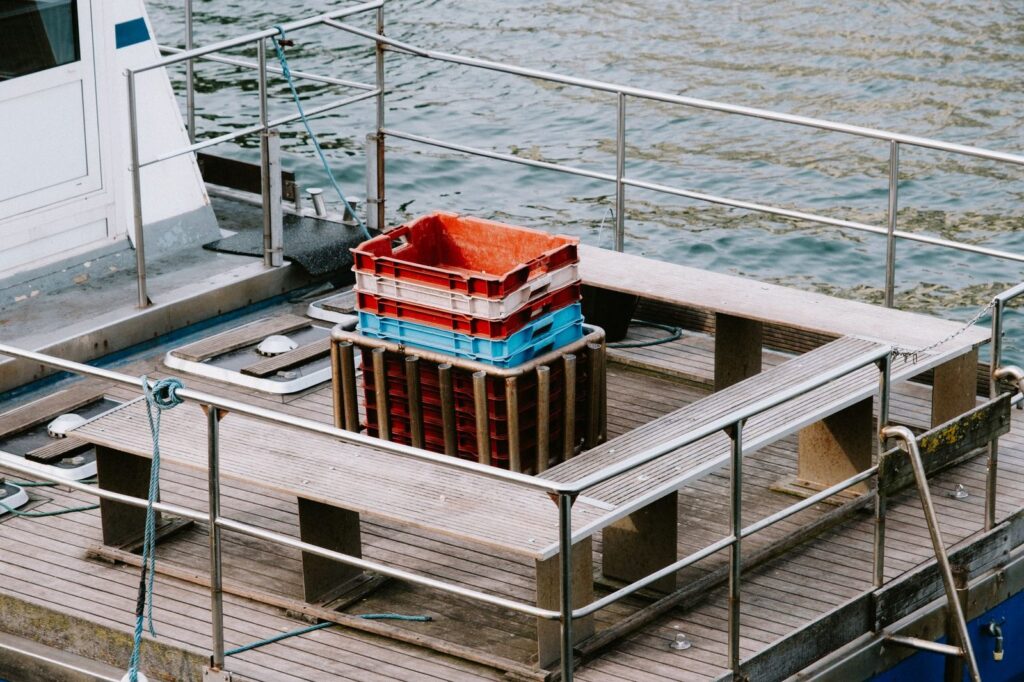
Have questions about what happened?
Ask our team directly. The first conversation is free, confidential, and there is no obligation to continue.
Frequently Asked Questions
What is the Jones Act and who does it protect?
The Jones Act is a federal law letting maritime workers sue employers for negligence. It covers commercial fishermen, offshore workers, and crew members.
How long do I have to file a maritime injury claim?
Federal maritime claims generally have a three-year statute of limitations from injury. Contact an attorney immediately to protect your rights.
What is unseaworthiness in maritime law?
Unseaworthiness means a vessel is not safe for its intended use. Vessel owners are liable for injuries from unsafe conditions, even without proving negligence.
What is maintenance and cure?
Maintenance and cure requires employers to pay injured seamen’s medical care and living expenses during recovery, regardless of fault.
Who is liable in a boating accident?
Liability depends on circumstances. Vessel owners, operators, employers, manufacturers, and contractors may all be liable for negligence.
Can I sue a cruise ship company for injuries?
Yes. Cruise ship companies are liable for negligent security, inadequate safety measures, medical negligence, and failure to prevent foreseeable harm.
If you or a family member suffered a catastrophic injury in a maritime or boating accident, you may have a legal claim. People in your situation can reach out to us to understand their rights. Contact us for a free case evaluation and let our team help you navigate this process.
Why CHG Handles Your Maritime Claim
Maritime Law Focus
We focus exclusively on maritime injury claims, including Jones Act cases, unseaworthiness claims, and negligent maintenance. Our practice centers on the unique federal laws that protect workers at sea.
Federal Statute Knowledge
Maritime claims are governed by federal statutes and maritime common law—not state law. We understand the Jones Act, general maritime law, and the Death on the High Seas Act.
National Reach
Maritime accidents happen in U.S. waters and beyond. We take cases nationwide, representing injured workers and their families from every U.S. port and offshore platform.
Time-Sensitive Claims
Maritime injury claims have strict filing deadlines. Early consultation protects your right to recover and ensures we gather evidence while it's fresh.
Common Maritime Injury Scenarios We Handle
Commercial Fishing Accidents
Crew members injured on fishing vessels due to equipment failure, negligent operation, or unsafe working conditions may have a Jones Act claim against their employer.
Offshore Platform & Rig Injuries
Workers on oil rigs, wind platforms, or other offshore structures injured by negligence, defective equipment, or unsafe conditions can pursue maritime claims.
Vessel Crew Injuries
Crew members on cargo ships, tankers, tugboats, and other commercial vessels injured due to unseaworthiness or employer negligence have legal remedies under federal maritime law.
Passenger & Recreational Vessel Injuries
Injuries on ferries, cruise ships, charter boats, or other passenger vessels may give rise to claims against the vessel owner or operator for negligence or unseaworthiness.
Act Quickly—Filing Deadlines Apply
Maritime injury claims are subject to strict federal time limits. Waiting too long to file can bar your claim entirely. If you were injured at sea or on a vessel, contact us as soon as possible to protect your rights.
Key Questions About Maritime Injury Claims
What is the Jones Act?
The Jones Act is a federal law that allows maritime workers—including commercial fishermen, offshore workers, and crew members—to sue their employers for negligence. Unlike most workers' compensation systems, the Jones Act lets injured workers pursue full damages, including pain and suffering.
What is an 'unseaworthiness' claim?
A vessel is unseaworthy if it is unfit for its intended use—due to defective equipment, poor maintenance, inadequate crew, or unsafe conditions. An unseaworthy vessel claim allows crew members to recover from the vessel owner even if the owner is not their direct employer.
Who can file a maritime injury claim?
Commercial fishermen, offshore workers, crew members, and others who work on vessels or platforms may have claims. Even some passengers injured due to negligence or unsafe conditions may recover. Your eligibility depends on your role and the circumstances of your injury.
What damages can I recover?
Maritime injury claims can include medical expenses, lost wages, pain and suffering, permanent disability, and in fatal cases, wrongful death benefits for family members. The amount depends on the severity of injury and the facts of your case.