

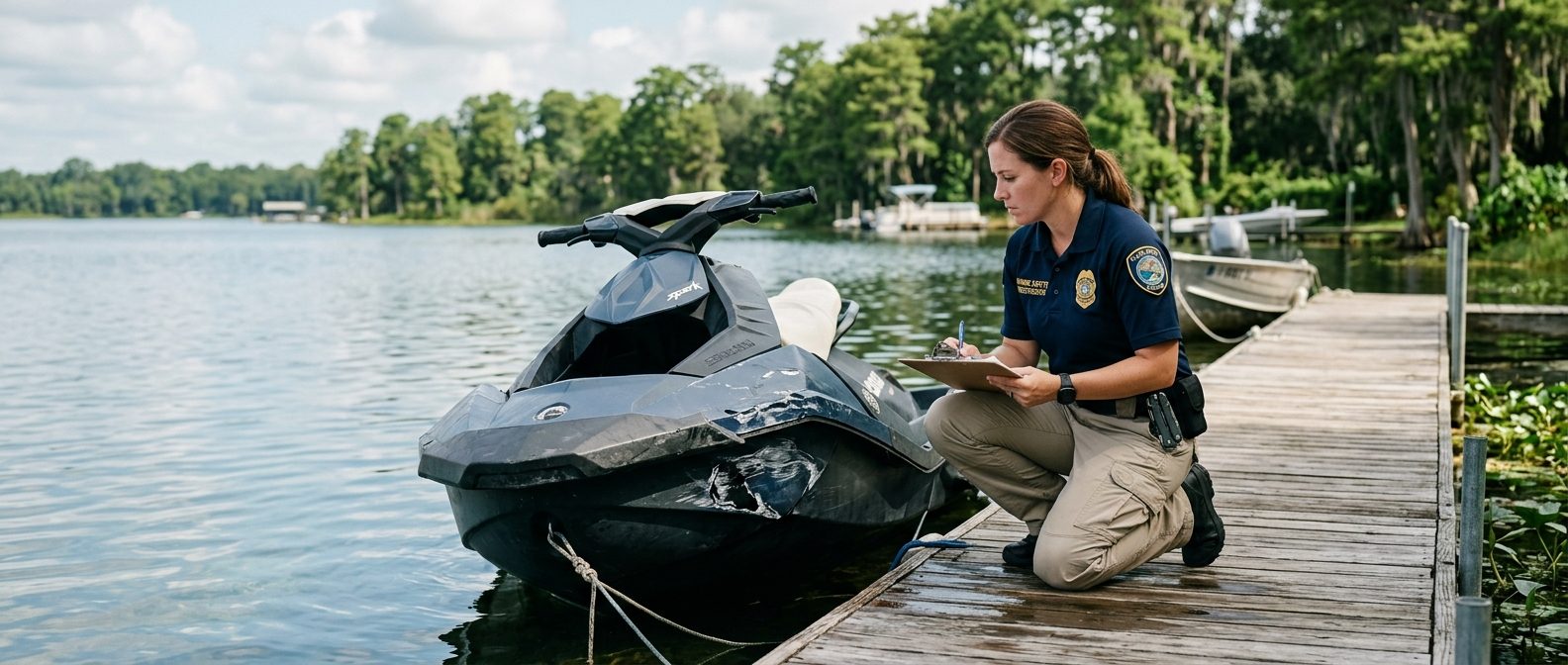
Jet Ski Accidents | Florida
Who Is Liable for a Jet Ski Accident in Florida?
If you or a loved one suffered a catastrophic injury in a jet ski collision or accident, understanding liability is the first step toward holding the responsible party accountable.
By CHG Lawyers · Published August 27, 2026
Jet Ski Accident Liability in Florida: Who Pays for Your Injuries
You were hit by a jet ski while swimming. Or your loved one rented one and suffered a spinal cord injury. Now you face catastrophic injuries, mounting medical bills, and one critical question: who is responsible?
Jet ski accident liability in Florida is rarely straightforward. The operator, owner, rental company, and sometimes the manufacturer may all share responsibility. Understanding who bears legal responsibility determines which insurance policies apply, who can be sued, and what damages you may recover.
This page explains the main parties who can be held liable and the legal principles that apply in Florida—written for injured people and families, not lawyers.
If you or a loved one suffered a catastrophic injury in a jet ski accident, the first step is understanding who bears responsibility. Talk it through with our team — the first consultation is free, confidential, and carries no obligation.
How Jet Ski Accidents Cause Catastrophic, Life-Altering Injuries
Jet ski crashes often result in injuries that permanently change a person’s life. Unlike a minor fender-bender, jet ski accidents happen at high speed in open water with few escape routes.
The most serious injuries include spinal cord injuries and paralysis (paraplegia and quadriplegia), traumatic brain injuries from being thrown or struck, severe cuts and amputations from propeller contact, drowning (especially if the operator is injured or intoxicated), and severe burns from fuel ignition.
According to the Christopher & Dana Reeve Foundation, sports and recreation activities are among the common causes of spinal cord injuries. Injuries like these can have long-term effects on a person’s health, daily life, and finances.
The Jet Ski Operator: The Person Behind the Wheel
The person operating the jet ski at the time of the accident is often the primary liable party if their negligence caused the crash.
Negligent operation includes: – Speeding or operating at unsafe speeds – Reckless maneuvers or stunts – Operating under the influence of alcohol or drugs – Failing to watch for swimmers or hazards – Ignoring navigation rules or right-of-way laws – Operating without proper training or boating certification
The operator’s liability is often covered by the owner’s watercraft insurance or the operator’s homeowners policy. If the operator is uninsured or underinsured, you may pursue a direct claim against their personal assets.
The Jet Ski Owner: Liability Even When Not Operating
An owner who was not operating the jet ski is not automatically liable for the operator’s actions, but the owner can still be liable for their own negligence.
Negligent entrustment is another way an owner can be held liable. If the owner lent the jet ski to someone they knew was inexperienced, intoxicated, or reckless, the owner’s negligence creates liability. Lending a jet ski to a friend you know has been drinking makes you liable for resulting accidents.
Additionally, if the owner failed to maintain the jet ski in safe condition—faulty brakes, non-functional kill switch, leaking fuel lines, or defective steering—the owner may bear liability for mechanical failure.
The owner’s homeowners or watercraft insurance policy typically covers these claims. However, coverage limits vary, and standard homeowners policies often exclude watercraft liability entirely.
The Jet Ski Rental Company: A Duty to Screen and Maintain
Rental companies that lease jet skis have a legal duty to rent only to qualified, sober operators and to maintain equipment in safe condition.
A rental company can be held liable if they rented to someone they knew (or should have known) was unfit to operate it—such as someone visibly intoxicated or without proper boating experience.
Rental companies must also: – Inspect and maintain jet skis in safe working condition – Equip watercraft with required safety gear (life jackets, kill switches, fire extinguishers) – Provide adequate safety briefings and warnings – Verify operator age and basic boating knowledge
Many rental companies carry commercial liability insurance. However, they may dispute claims or invoke liability waivers. These waivers are not always enforceable, especially if the company’s negligence was gross or willful. If a rental company rented to a visibly intoxicated person, a waiver may not shield them from liability.
The Jet Ski Manufacturer: Liability for Defective Design or Failure to Warn
The manufacturer of the jet ski can be held liable if a defect in design or manufacture caused or contributed to the accident.
Examples include: – Faulty steering or throttle controls – Inadequate stability in certain water conditions – Failure or malfunction of the kill switch – Poor visibility design that obscures the operator’s view – Fuel system defects that create fire risk – Propeller guards that fail to protect swimmers
Manufacturer liability is separate from operator negligence. Even a careful operator may be injured by a defective machine. Proving a manufacturing defect requires expert analysis and comparison to industry standards and competitor models.
Manufacturers must also provide adequate warnings and instructions. Failure to warn of known hazards creates liability. If a manufacturer knew a model had a tendency to flip in certain conditions but failed to warn buyers, that failure supports a claim.
Not sure what your next step is?
Talk it through with our team — the first consultation is free, confidential, and carries no obligation.
Other Potentially Liable Parties
A third-party boat operator whose negligence caused a collision with the jet ski may be liable.
A marina, dock operator, or waterway manager who failed to maintain safe conditions or provide adequate warnings—such as shallow water, debris, submerged objects, or unmarked rocks—may also bear responsibility.
A property owner whose negligence created a dangerous condition on the water (an unsecured dock, unmarked hazard, inadequate lighting, or debris in a swimming area) can be held liable.
In rare cases, a government agency responsible for waterway maintenance, buoys, or safety signage may share responsibility.
What Happens If You Get Hit by a Jet Ski?
If you were struck by a jet ski while swimming, wading, or operating another watercraft, the jet ski operator and owner are typically liable for your injuries. The operator’s failure to watch for you, operate at a safe speed, or follow navigation rules is negligence.
The owner may be liable under vicarious liability principles, even if they were not present. Injuries from being hit by a jet ski are often severe: cuts, fractures, internal injuries, spinal cord damage, or drowning.
You may also have a claim against a rental company if the operator rented the jet ski under circumstances that made the accident foreseeable—for instance, if the operator appeared intoxicated or inexperienced.
Does a Jet Ski Have to Be Insured in Florida?
Florida law does not mandate liability insurance for personal watercraft (jet skis) the way it does for automobiles. However, many marinas, rental companies, and waterway authorities require proof of insurance as a condition of use.
Important: Standard homeowners insurance policies typically do not cover jet ski liability. Owners must purchase a separate watercraft or marine liability policy.
Rental companies almost always carry commercial liability insurance to cover accidents involving their equipment.
Even without a legal requirement, carrying liability insurance is strongly advisable. An uninsured operator may face personal liability for all damages, including catastrophic injury claims that can reach hundreds of thousands or millions of dollars. If the at-fault party is uninsured, you may pursue an uninsured watercraft claim through your own policy or a direct claim against the operator’s personal assets.
Why Jet Ski Accident Liability Is Complex in Florida
Multiple liable parties: Operator, owner, rental company, and manufacturer may all share responsibility.
Limited evidence: Jet ski accidents often occur in open water where witnesses are limited and evidence is difficult to preserve.
Fragmented insurance: The at-fault party may be uninsured, underinsured, or protected by liability caps. Standard homeowners policies exclude watercraft liability.
Comparative negligence: Under Florida Statute § 768.81, an injured party who is partially at fault may still recover damages. However, their award is reduced by their percentage of fault. For example, if you were 20% at fault and your total damages are $100,000, you could recover $80,000. This calculation is complex and requires careful analysis. Learn more about comparative negligence in Florida.
Catastrophic damages: Lifetime care costs for spinal cord injuries, brain injuries, and amputations make accurate liability determination critical to full compensation. For details on what you may recover, see our guide to catastrophic injury damages.
Have questions about what happened?
Ask our team directly. The first conversation is free, confidential, and there is no obligation to continue.
Frequently Asked Questions
How long do I have to file a lawsuit after a jet ski accident in Florida?
The statute of limitations for filing a personal injury claim in Florida is 2 years from the date of the accident. Acting quickly is important to preserve evidence and protect your rights.
Can I recover damages if I was partially at fault for the jet ski accident?
Yes. Under Florida’s comparative negligence rule, you may recover damages even if you were partially at fault (Fla. Stat. § 768.81(6)). Your award is reduced by your percentage of fault.
What damages can I recover from a jet ski accident?
Damages typically include medical expenses (past and future), lost income, pain and suffering, disability accommodations, home modifications, assistive equipment, and long-term care costs. In cases of catastrophic injury or wrongful death, damages can be substantial.
What should I do immediately after a jet ski accident?
Seek medical attention first. Then document the scene (photos, witness contact information), report the accident to authorities, and preserve evidence. Do not sign anything or make statements to insurance companies without legal guidance.
Can I sue a jet ski rental company for an accident?
Yes, if the rental company was negligent—for example, if they rented to someone visibly intoxicated, failed to maintain the equipment, or did not provide adequate safety instructions. Liability waivers are not always enforceable, especially if the company’s negligence was gross or willful.
Understanding Your Path Forward
If you or a loved one suffered a catastrophic injury in a jet ski accident, the first step is understanding who bears responsibility. Liability determination requires investigation: police reports, witness statements, medical records, jet ski maintenance records, and expert analysis of the watercraft and operator conduct.
Insurance claims and personal injury lawsuits follow different timelines and procedures. Acting quickly preserves evidence and protects your rights. Many jet ski accident cases involve multiple liable parties and complex insurance coverage questions.
For more information about catastrophic injuries and your legal options, explore our resources on spinal cord injuries, traumatic brain injury, amputation and limb loss, and severe burn injuries. You can also learn more about the insurance claim process and how to protect your rights.
You do not need to navigate this alone. You do not need to accept an initial settlement offer without understanding the full scope of your damages and liability. If you have been catastrophically injured in a jet ski accident and are trying to understand who is responsible and what comes next, contact us for a free case evaluation.
Common Causes of Jet Ski Liability
Operator Negligence
Reckless speed, impaired operation, failure to maintain a proper lookout, or ignoring navigation rules. An operator who causes a collision through careless conduct is liable for injuries that result.
Defective Equipment or Maintenance
A jet ski with faulty brakes, steering, or engine failure may be the manufacturer's or rental company's liability. Poor maintenance by a rental operator can also create dangerous conditions.
Rental Company Negligence
Rental operators who fail to inspect equipment, provide adequate safety briefings, or rent to obviously impaired or unqualified operators may be held liable for injuries.
Third-Party Watercraft Collisions
Another boat, jet ski, or watercraft operator may be at fault. Liability depends on who violated navigation rules or acted negligently in the collision.
What You Need to Know About Jet Ski Accident Liability
Multiple Parties May Be Liable
The jet ski operator, the rental company, the manufacturer, a third-party boat operator, or even a property owner may share responsibility. A thorough investigation identifies all liable parties.
Evidence Matters Immediately
Witness statements, operator records, maintenance logs, weather conditions, and the jet ski's condition must be preserved quickly. Delay can result in lost or destroyed evidence.
Comparative Fault Rules Apply
Under Florida law, a party found to be greater than 50 percent at fault for his or her own harm may not recover any damages. Your percentage of fault reduces your recovery proportionally.
Time Is Critical
The sooner you act, the better. Evidence fades, witnesses move away, and memories blur. Early legal action protects your ability to recover damages for your catastrophic injury.
Act Quickly to Preserve Your Claim
Jet ski accidents often result in severe, life-altering injuries—spinal cord damage, traumatic brain injury, amputation, and drowning. The sooner you consult with an attorney, the sooner evidence can be secured and your rights protected.
Steps to Take After a Jet Ski Accident
Seek Immediate Medical Care
Your health is the priority. Get to a hospital or emergency care facility right away, even if injuries seem minor. Catastrophic injuries like spinal cord damage or internal bleeding may not be immediately obvious.
Report the Accident
Contact the Florida Fish and Wildlife Conservation Commission (FWC) or local law enforcement to file an official accident report. This creates an independent record of what happened.
Document the Scene
If you are able, take photos and video of the jet skis, the water conditions, any debris, and the surrounding area. Collect the names and contact information of all witnesses.
Gather Information
Get the operator's name, insurance details, and contact information. Note the rental company (if applicable), the jet ski make and model, and any visible damage or mechanical issues.