

Jet Ski & Drowning Claims
When a Jet Ski Death May Give Your Family a Legal Claim
Rental companies, operators, and property owners can be held responsible for negligence that leads to drowning. Learn what your family may be entitled to pursue.
By CHG Lawyers · Published August 30, 2026
Jet Ski Drowning: Filing a Wrongful-Death Claim When Negligence Causes Death
If your loved one died in a jet ski accident, you’re likely facing overwhelming grief and immediate practical questions: What happened? Who is responsible? What can we do now? This page is written for families in that situation—not for lawyers or academics. It explains, in plain language, when your family may have a legal claim and what the next step looks like.
Not sure what your next step is?
Talk it through with our team — the first consultation is free, confidential, and carries no obligation.
The Reality of Jet Ski Drowning Deaths
A jet ski drowning death occurs when a rider is ejected from the vessel and cannot reach safety or return to the watercraft—often within seconds. Unlike injuries that heal, drowning is irreversible. It is the most catastrophic outcome a family can face.
Ejection can happen suddenly: the operator loses control, hits a wave or wake, strikes a submerged object, or the jet ski suffers mechanical failure. Once in the water, a rider may be disoriented, exhausted, injured, or unable to locate the jet ski. Drowning can occur within minutes—especially if the person is injured, exhausted, not a strong swimmer, or not wearing a functioning life jacket. Cold water, currents, and panic all reduce survival time.
The tragedy is often preventable. When someone’s negligence or recklessness causes that death, your family has the legal right to file a wrongful-death claim and seek compensation for your loss.
The Numbers: How Common Are Fatal Jet Ski Accidents?
The U.S. Coast Guard tracks recreational boating fatalities. Jet ski accidents—also called personal watercraft (PWC) accidents—account for a significant share of recreational boating deaths. Recreational boating deaths, including those involving jet skis, are a serious concern in the United States.
Many of these deaths involve operator error, lack of safety equipment, alcohol use, or failure to follow safe-operation practices. The point is clear: jet ski operation carries serious risk, and preventable deaths often involve someone’s negligence or unsafe conditions.
Who Can Be Held Liable for a Jet Ski Drowning?
Liability in a jet ski drowning case may fall on one or more parties:
The operator – If they were: – Operating under the influence of alcohol or drugs – Operating at excessive speed or without control – Operating without proper training or certification – Failing to wear or use a kill switch or life jacket – Operating in unsafe conditions or in violation of posted rules
The rental company – If they: – Rented a defective or poorly maintained jet ski – Failed to provide required safety equipment (life jackets, kill switches, flotation devices) – Failed to give adequate safety instructions or warnings – Rented to someone they knew or should have known was unfit to operate (e.g., intoxicated, inexperienced, or too young) – Failed to enforce safe-operation rules or inspect equipment before rental
The property owner or marina – If they: – Failed to maintain safe conditions (poor lighting, inadequate supervision, hazardous obstacles) – Failed to warn of known hazards – Failed to enforce safe-operation rules – Knew or should have known that unsafe jet ski operation was occurring and did nothing to stop it
A third party – Whose actions directly caused the accident (e.g., another operator who collided with the jet ski, or a manufacturer whose defective equipment failed).
Rental Waivers Do Not Shield Companies from Negligence
Many jet ski rental companies ask renters to sign liability waivers.
Alcohol and Jet Ski Drowning Deaths
Operating a jet ski under the influence of alcohol is illegal in all U.S. states and is a major factor in fatal jet ski accidents. Alcohol impairs judgment, balance, reaction time, and swimming ability—all critical to surviving a jet ski accident.
If the operator was intoxicated, that fact may be relevant to your family’s wrongful-death claim, and liability may be a question worth reviewing. A rental company that rented to an intoxicated person may also bear liability. Under Florida’s dram-shop statute, a person who willfully and unlawfully sells or furnishes alcoholic beverages to a person under lawful drinking age, or who knowingly serves a person habitually addicted to alcohol, may become liable.
Have questions about what happened?
Ask our team directly. The first conversation is free, confidential, and there is no obligation to continue.
Florida’s Statute of Limitations: The 2-Year Deadline
Under Florida Statute § 95.11, a wrongful-death claim must be filed within 2 years of the date of death. This deadline is strict. If your family does not file within 2 years, the claim is barred and you lose the right to seek compensation.
If the accident occurred outside Florida, different state laws may apply—but most states have similar deadlines (typically 2 to 3 years). If your loved one died in a jet ski accident in another state, contact a firm that handles cases nationwide to understand your deadline.
What Compensation Can Your Family Recover?
Wrongful-death compensation may cover:
- Funeral and burial costs – The actual expenses incurred
- Medical expenses incurred before death – Emergency care, hospitalization, or treatment
- Lost wages and benefits – Income the deceased would have earned, plus lost health insurance, retirement benefits, and other financial support
- Loss of companionship and emotional loss – The family’s grief, loss of guidance, and loss of the relationship
- Punitive damages – In cases of gross negligence or recklessness, a court may award additional damages to punish the defendant and deter similar conduct
The amount of compensation depends on the deceased’s age, earning capacity, family situation, and the circumstances of the case. Insurance companies and defendants often dispute liability and damages, making legal representation important.
Florida’s Comparative Fault Rule
Under Florida Statute § 768.81, Florida follows a “comparative fault” rule. This means your family can recover compensation even if your loved one was partially at fault for the accident—as long as they were not more than 50% at fault. However, the compensation is reduced by your loved one’s percentage of fault.
For example: If a jury determines that the rental company was 80% at fault and your loved one was 20% at fault, your family would recover 80% of the total damages awarded.
How a Wrongful-Death Claim Works
In Florida, the wrongful-death claim is filed by the personal representative of the estate on behalf of the survivors, such as the spouse, children and parents (Fla. Stat. § 768.20).
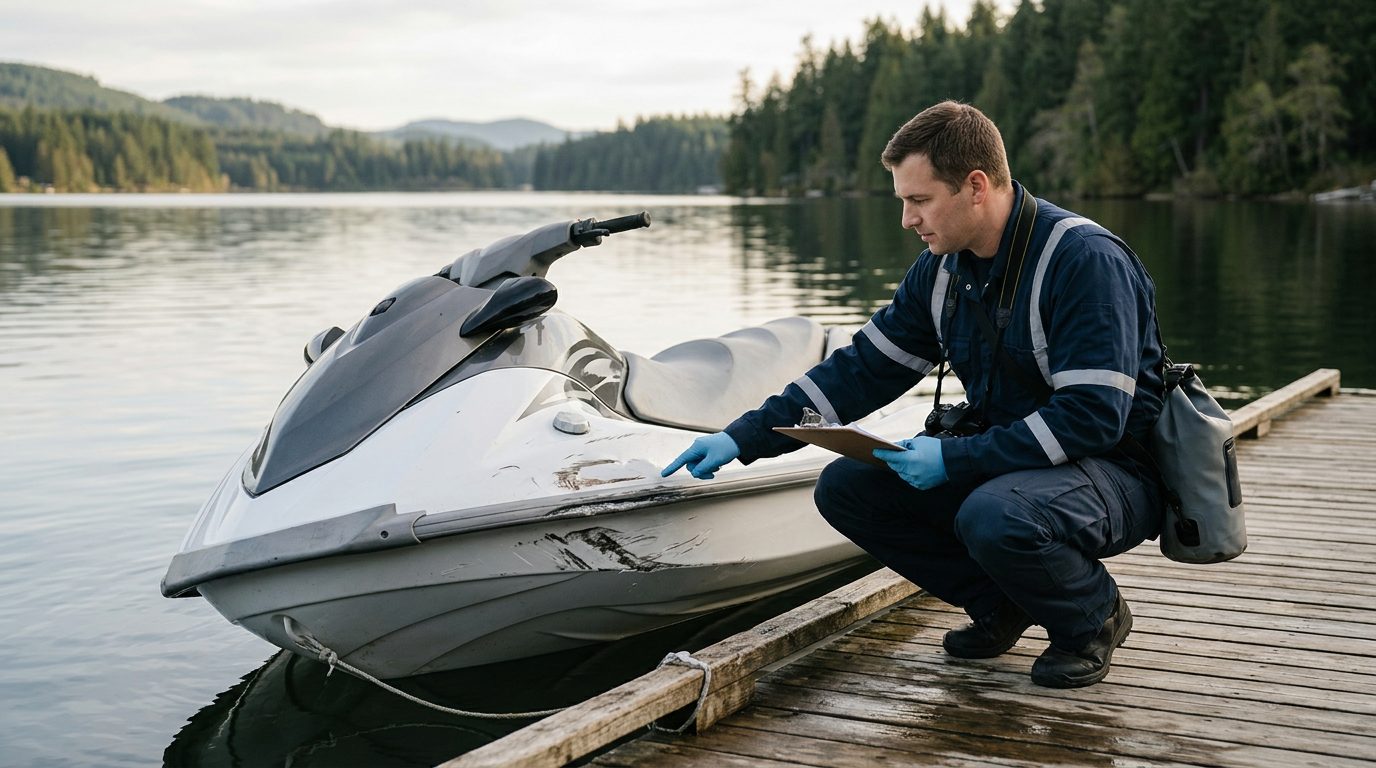
What does the investigation involve? Your attorney will: – Obtain and review the accident report and police records – Interview witnesses and first responders – Inspect the jet ski and safety equipment – Obtain maintenance and rental records – Review the operator’s training, certification, and history – Determine whether alcohol or drugs were involved – Identify all potentially liable parties
How long does it take? Some cases settle within months; others take 1–2 years or longer if litigation is necessary. Your attorney will keep you informed at every stage.
Do I need to go to court? Many wrongful-death cases settle before trial. If settlement negotiations fail, your attorney will be prepared to take the case to court.
Frequently Asked Questions
Can a rental waiver prevent my family from suing after a jet ski death?
Under Florida case law, the absence of the words ‘negligence’ or ‘negligent acts’ in an exculpatory clause does not by itself make the clause ineffective to bar a negligence action.
How long do I have to file a wrongful-death claim?
In Florida, you have 2 years from the date of death. If the accident occurred in another state, the deadline may differ. Contact a Florida personal injury attorney to confirm your deadline.
What damages can my family recover?
Compensation may cover funeral costs, medical expenses before death, lost wages and benefits, and your family’s emotional loss and loss of companionship. In cases of gross negligence, punitive damages may also be available.
Who can file a wrongful-death claim?
In Florida, the wrongful-death claim is filed by the personal representative of the estate on behalf of the survivors, such as the spouse, children and parents (Fla. Stat. § 768.20).
Can my family recover if my loved one was partially at fault?
Yes. Florida’s comparative fault law allows families to recover even if the deceased bore some responsibility—as long as they were not more than 50% at fault. The recovery is reduced by their percentage of fault.
What if the accident happened outside Florida?
We handle wrongful-death cases nationwide. Different states have different laws, deadlines, and damage rules. Contact us to understand your rights under the applicable state law.
Want to know where you stand?
Tell us what happened and our team will walk you through the options available to you, at no cost.
What to Do Now
If your loved one died in a jet ski drowning accident, reaching out for a free case evaluation is a normal and important first step. Many families in your situation do so to understand their options and what they may be entitled to recover.
Our team focuses exclusively on catastrophic injury and wrongful-death cases. We’ll listen to your story, review the circumstances of the accident, and advise you on the path forward—with no obligation and no pressure.
Get a free case evaluation today. We’re here to help your family understand what comes next.
Time Matters
In Florida, you have 2 years from the date of death to file a wrongful-death claim. Other states have different deadlines. Contact us immediately to protect your family's rights.
Common Causes of Jet Ski Drowning Claims
Defective or Poorly Maintained Equipment
Rental companies must maintain jet skis in safe working condition. Mechanical failure, engine problems, or structural defects that contribute to a drowning may create liability.
Missing or Inadequate Safety Gear
Operators and rental companies are required to provide proper life jackets and safety equipment. Failure to do so—or providing worn or non-functional gear—can be negligent.
Operator Negligence or Recklessness
Drowning may result from an operator's failure to follow safety protocols, operate the jet ski recklessly, or operate while impaired. Their negligence may create a claim against them or their employer.
Inadequate Training or Supervision
Rental companies and tour operators must provide adequate instruction and supervision. Sending an inexperienced or unsupervised rider out on the water can be negligent.
Why Rental Waivers Don't Shield Negligence
Waivers Cannot Waive Safety Duties
A rental waiver cannot prevent your family from suing for the rental company's own negligence, failure to maintain equipment, or failure to provide required safety gear.
Negligence Claims Survive Waivers
Gross negligence or willful misconduct may also override a waiver.
Wrongful Death Claims Depend on the Decedent’s Own Right to Sue
Under Florida law, a wrongful-death claim depends on whether the person who died would have been entitled to maintain an action and recover damages if death had not ensued, so the family’s claim is tied to the decedent’s own right to sue (Fla. Stat. § 768.19).
What Your Family May Pursue in a Wrongful-Death Claim
Medical and Emergency Expenses
Costs incurred before death, including rescue efforts, emergency care, and hospitalization.
Funeral and Burial Costs
Reasonable expenses for funeral services, cremation, and related arrangements.
Lost Income and Support
The financial support the deceased would have provided to surviving family members over their lifetime.
Pain and Suffering of Survivors
Compensation for the grief, loss of companionship, and emotional suffering experienced by surviving family members.
How CHG Personal Injury Lawyers Can Help
Focused on Catastrophic Injury Claims
We focus exclusively on catastrophic and fatal injuries, including drowning deaths. We understand the complexity and stakes of your family's loss.
Thorough Investigation
We investigate the circumstances of the drowning, examine equipment maintenance records, review rental agreements and waivers, and identify all responsible parties.
Understanding Wrongful-Death Claims in Florida
We guide families through the legal process, handle negotiations with insurance companies, and pursue fair compensation for your loss.
No Attorney’s Fees Unless There Is a Recovery
We work on a contingency basis, so your family pays no upfront costs or attorney fees unless we recover compensation.
Your Family Deserves Answers and Justice
Related practice areas
- Prove Negligence in a Jet Ski Collision | 4 Elements