

Jet Ski & Watercraft Accidents
Jet Ski Propeller Amputation: Your Rights After a Catastrophic Injury
Propeller injuries cause severe limb loss and permanent disability. If you or a loved one was injured due to someone else's negligence, you may have a claim.
By CHG Lawyers · Published August 28, 2026
Jet Ski Accident Amputation Injury: Propeller Injuries, Collision Damage, and Legal Liability
A jet ski accident that severs a limb is not an injury you recover from and move past. It is permanent. It reshapes your body, your work, your independence, and your sense of self. If you or someone you care about has lost a limb in a jet ski accident, the immediate shock—emergency surgery, hospital stay, the moment you realize a limb is gone—is followed by months and years of adaptation, grief, medical care, and practical challenges that touch every part of daily life.
Understanding what caused the accident and who bears responsibility is part of moving forward. Identifying the person or company whose negligence caused this injury is an important part of pursuing a claim. Compensation may be sought to help support your recovery.
If you or a loved one was injured due to someone else's negligence, you may have a claim. Talk it through with our team — the first consultation is free, confidential, and carries no obligation.
How Jet Ski Propellers Cause Amputation Injury
Most jet skis use an enclosed impeller housed inside the hull rather than an exposed propeller, but contact with its moving parts can still cause serious injuries, including amputation.
When a rider or passenger falls into the water near an operating jet ski, the moving craft can pose a serious danger. They cannot swim away or signal for help in time.
Direct contact with a jet ski propeller causes deep cuts and crushing injuries. The damage is often so severe that tissue cannot be repaired. Surgeons must amputate to stop life-threatening bleeding and prevent infection. Even brief contact—a fraction of a second—causes irreversible damage.
Some jet skis use water-jet propulsion systems. These expel a high-pressure stream of water. Contact with this jet causes severe internal and external injuries that may also require amputation.
High-Speed Collisions and Crush Injuries
Jet skis exceed speeds of 60 mph. At that speed, a collision between two jet skis, or between a jet ski and another watercraft or fixed object, concentrates enormous energy into a small area. A limb caught between two vessels or crushed against a dock, pier, or rock formation suffers damage so severe that amputation is the only option.
Riders and passengers are thrown from a jet ski suddenly due to sharp turns, waves, or operator error. A person ejected may land in the path of another jet ski or be struck by the jet ski itself as it continues moving. Visibility in water is poor. An operator may not see another person in the water until it is too late.
The Immediate Medical Emergency
Amputation from a jet ski accident is a life-threatening emergency. Severe bleeding, shock, and tissue damage must be managed in the first minutes and hours after injury. Without rapid treatment, the person may not survive.
Emergency responders must locate and rescue the injured person from the water. They provide first aid to control bleeding and transport them to a trauma center. In the operating room, surgeons assess the injury and make a critical decision: can the limb be reattached, or is amputation necessary to save the person’s life?
Reattachment is sometimes possible if the severed limb is recovered quickly. Tissue damage must not be too extensive. Surgical expertise must be available. But success depends on factors beyond anyone’s control—the time elapsed before surgery, the quality of emergency care, and the extent of the injury itself. Even when reattachment is attempted, complications like infection, blood clots, and tissue rejection can develop, sometimes requiring amputation later.
If amputation is necessary, surgeons remove the damaged tissue and bone. They close the wound and manage pain and infection risk. Hospitalization typically lasts weeks. Multiple surgeries may be needed as the wound heals and the body adapts.
Not sure what your next step is?
Talk it through with our team — the first consultation is free, confidential, and carries no obligation.
Long-Term Life After Amputation
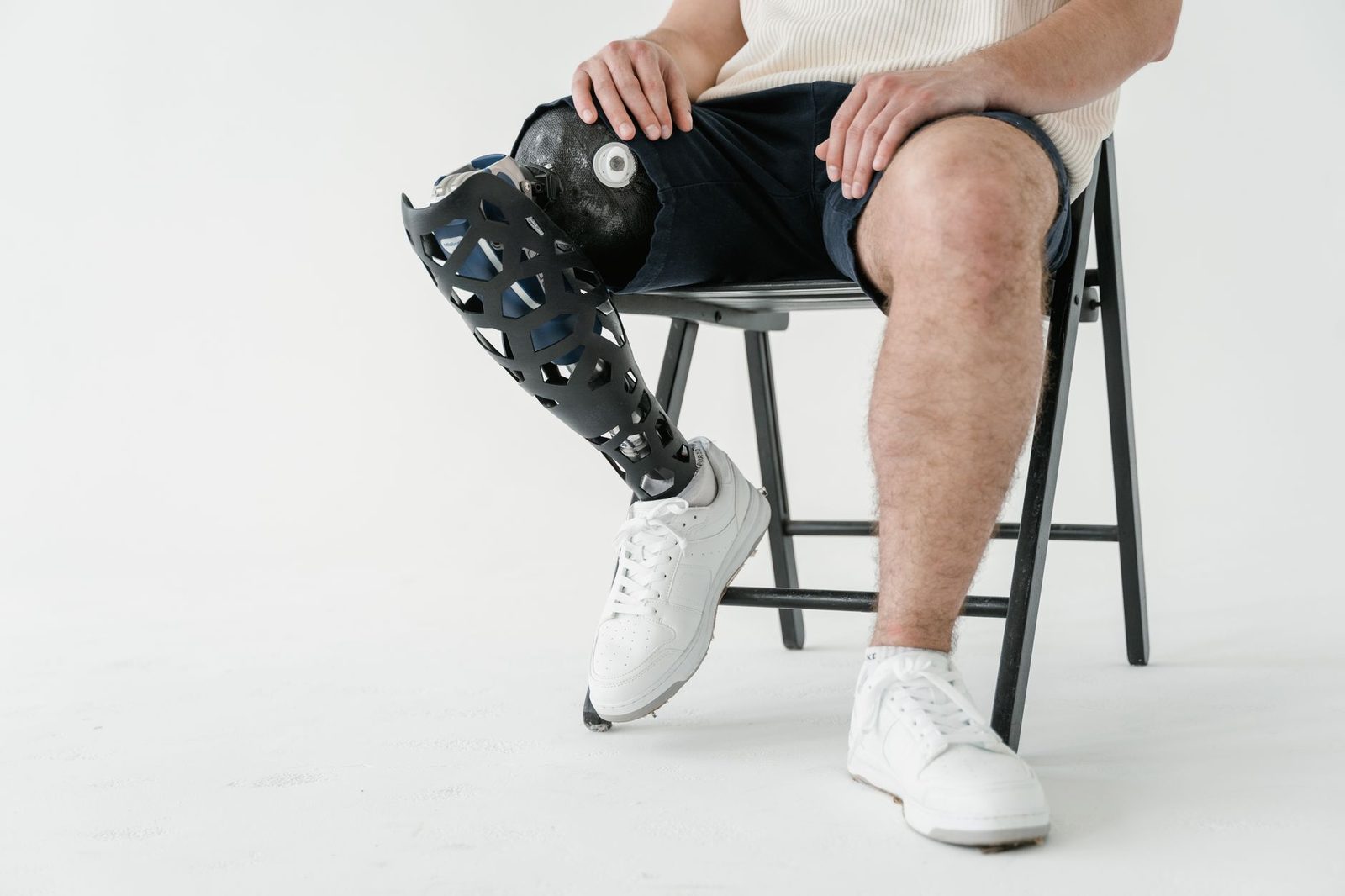
Permanent limb loss means adapting to life with a prosthetic device—an artificial limb that requires ongoing fitting, adjustment, and replacement. A prosthetic limb for a lower extremity (leg or foot) typically costs between $5,000 and $100,000 or more, depending on the type and complexity. Upper-extremity prosthetics (arm or hand) can cost even more. Most prosthetics need replacement every 3 to 5 years as the body changes and the device wears out.
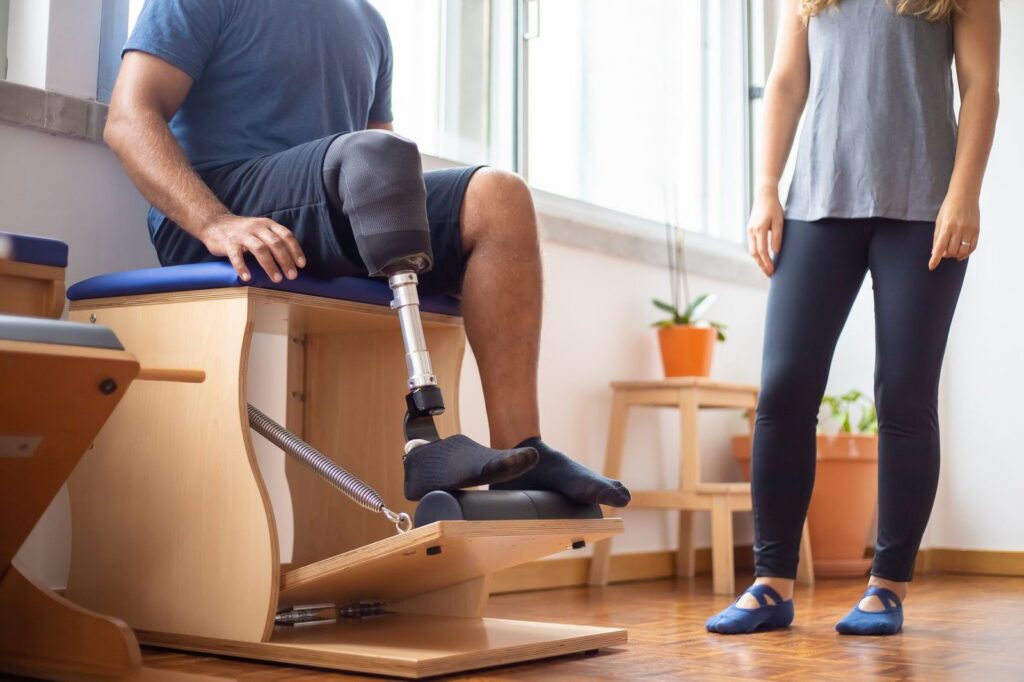
Physical rehabilitation and occupational therapy are essential but lengthy. They often take months or years to regain mobility, balance, and independence. Learning to walk with a prosthetic leg, or to perform everyday tasks with a prosthetic arm or hand, requires sustained effort and professional guidance.
Return to your previous job may be impossible. Many people must retrain for a different occupation or accept reduced earning capacity. The financial impact extends beyond lost wages. It includes the cost of prosthetics, medical care, home modifications (ramps, accessible bathrooms, specialized equipment), transportation, and ongoing therapy.
Psychological trauma is common and serious. Grief over the loss of a limb, depression, anxiety, and post-traumatic stress are normal responses to a catastrophic injury. Professional mental health support is often necessary and should be part of your recovery plan.
Social isolation and loss of recreational activities that were important before the injury are significant quality-of-life impacts. Many people find that relationships, community participation, and activities they once took for granted require adjustment or are no longer accessible.
Who May Be Liable for a Jet Ski Amputation Accident
The jet ski operator: The person operating the jet ski at the time of the accident may be liable if they were negligent, reckless, or violated safety laws. Negligence means failing to exercise reasonable care—for example, operating at excessive speed, failing to maintain a proper lookout for other people in the water, operating while impaired by alcohol or drugs, or ignoring safety rules.
The jet ski owner: The owner of a jet ski may be liable for injuries caused by an operator they allowed to use the vessel, even if the owner was not present at the time. This is called “negligent entrustment”—allowing someone to use a dangerous item (in this case, a jet ski) when the owner knew or should have known the operator was incompetent, reckless, or unfit.
Rental companies: A jet ski rental company may be liable if they rented a jet ski in unsafe condition, failed to provide proper safety equipment, failed to ensure the operator was trained or qualified, or failed to enforce safety rules. Rental companies have a duty to rent equipment that is safe and fit for its intended use. They must ensure renters understand how to operate it safely.
Property owners and marinas: A marina, resort, or property owner may be liable if they failed to maintain safe conditions, provide adequate warnings about hazards, enforce safety rules, or provide adequate supervision or lifeguard presence where jet skis operate.
Understanding personal injury liability helps clarify who may owe you compensation. Multiple parties may share liability depending on the circumstances.
Florida Law: Statute of Limitations and Comparative Fault
Under Florida Statute § 95.11, a person injured by another’s negligence generally has 2 years from the date of injury to file a personal-injury lawsuit. This deadline is strict. If you do not file within 2 years, you lose the right to sue, regardless of the strength of your claim. If the injury resulted in death, the deadline for the family to file a wrongful-death claim is also 2 years from the date of death.
Florida Statute § 768.81 establishes Florida’s modified comparative-negligence rule. This means that if you were partly at fault for the accident, your recovery may be reduced by your percentage of fault—but only if you are 50% or less at fault. If you are found to be more than 50% at fault, you cannot recover damages at all.
For example: if a jury determines that you were 20% at fault and the defendant was 80% at fault, your damages award would be reduced by 20%. But if you were 60% at fault, you would recover nothing.
Multiple parties may share liability depending on the circumstances. The operator, the owner, the rental company, and the property owner might all bear some responsibility for the accident.
What You Should Do Now
If you or someone you care about has lost a limb in a jet ski accident, you are likely facing overwhelming medical decisions, financial uncertainty, and questions about what comes next. You may not know whether you have a legal claim, who might be responsible, or what compensation might be available.
The first step is to gather information about what happened:
- Document the accident scene if possible: photos, video, the location, the date and time, weather and water conditions.
- Gather witness information: names, phone numbers, and email addresses of anyone who saw the accident.
- Preserve evidence: keep the jet ski involved (if you have access to it), safety equipment, and any other physical evidence related to the accident.
- Seek medical records: obtain copies of emergency-room records, surgical reports, hospital discharge summaries, and ongoing medical care documentation.
- Report the accident: if it occurred at a marina, resort, or rental facility, ensure an incident report was filed.
The second step is to understand your legal options. Many people in your situation reach out to learn whether they have a claim, what compensation might be available, and how the legal process works. There is no cost to talk, and no obligation to move forward.
Contact us to discuss what happened and explore your options. We focus exclusively on catastrophic injuries like amputation. We understand the medical, financial, and emotional reality of what you are facing. Learn more about catastrophic injury compensation and how we can help.
Have questions about what happened?
Ask our team directly. The first conversation is free, confidential, and there is no obligation to continue.
Frequently Asked Questions
Can a jet ski propeller reattach a severed limb?
Reattachment is sometimes possible if the limb is recovered quickly and tissue damage is not too severe. Success depends on emergency response time, surgical expertise, and the extent of injury.
What is the recovery time after amputation from a jet ski accident?
Initial hospitalization typically lasts weeks. Prosthetic fitting and rehabilitation can take months to years, with ongoing adjustments and therapy throughout life.
How much does a prosthetic limb cost after amputation?
Prosthetic devices range from $5,000 to $100,000 or more depending on the type and complexity. Replacement is often needed every 3–5 years as the body changes.
What should I do immediately after a jet ski amputation injury?
Seek emergency medical care immediately. Preserve any severed limb in clean cloth and ice if possible. Document the accident scene and gather witness information if you’re able.
Is a jet ski rental company liable for amputation injuries?
A rental company may be liable if they rented an unsafe jet ski, failed to provide safety equipment, or did not ensure the operator was trained or qualified.
Not Sure What Your Next Step Is?
If you or someone you care about has lost a limb in a jet ski accident, you’re likely facing overwhelming medical decisions, financial uncertainty, and questions about what comes next. Understanding whether someone else’s negligence or wrongdoing caused the injury is an important part of planning for the future—both for your own recovery and for holding the responsible party accountable.
Many people in your situation reach out to learn whether they have a legal claim, what compensation might be available, and how the legal process works. There’s no cost to talk, and no obligation to move forward. Contact us to discuss what happened and explore your options.
Time Matters in Amputation Cases
Jet ski propeller injuries are medical emergencies requiring immediate hospital care. Preserve all medical records, incident reports, and witness statements—they are critical to your claim. Contact us as soon as possible to discuss your situation.
What Happens After a Jet Ski Propeller Amputation
Emergency Care & Hospitalization
Propeller injuries cause severe tissue damage, blood loss, and shock. Initial hospitalization typically lasts weeks, with multiple surgeries for wound care, infection prevention, and possible limb reattachment attempts.
Amputation & Prosthetic Rehabilitation
If the limb cannot be reattached or is too damaged, amputation becomes necessary. Recovery involves physical therapy, prosthetic fitting, and learning to adapt to permanent limb loss—a process that takes months to years.
Lifelong Medical & Adaptive Needs
Amputees require ongoing medical care, prosthetic replacements, phantom pain management, and modifications to home and workplace. These costs accumulate over a lifetime.
Lost Income & Disability
Many amputees cannot return to their previous work. Compensation may cover lost wages, reduced earning capacity, and the cost of retraining for a new career.
Why You Need Legal Representation for Amputation Claims
Accountability for Negligence
Jet ski operators, rental companies, and property owners have a duty to maintain equipment safely and warn of hazards. We investigate whether negligence caused your injury.
Complex Damage Calculations
Amputation claims involve medical expenses, rehabilitation costs, prosthetics, lost income, and pain and suffering. We work with medical and economic experts to build a complete picture of your losses.
Compassionate, Focused Representation
We focus exclusively on catastrophic injuries. We understand the permanent impact amputation has on your life and advocate for fair compensation.
No Attorney’s Fees Unless There Is a Recovery
We handle amputation cases on a contingency basis, so you pay nothing upfront. You only pay if we recover compensation for you.
Common Questions About Jet Ski Amputation Claims
Can a severed limb be reattached after a jet ski accident?
Reattachment is sometimes possible if the limb is recovered quickly and tissue damage is not too severe. Success depends on emergency response time, surgical expertise, and the extent of injury. Even when reattachment is attempted, function may be limited.
Who is liable for a jet ski propeller injury?
Liability may fall on the jet ski operator (for reckless behavior), the rental company (for inadequate maintenance or safety warnings), the manufacturer (for defective design), or the property owner (for unsafe conditions). We investigate all responsible parties.
What damages can I recover?
Compensation may include medical expenses, hospitalization and surgery costs, prosthetic devices and replacements, rehabilitation and therapy, lost wages and earning capacity, and compensation for pain, suffering, and permanent disability.
How long does an amputation case take?
Timelines vary based on the complexity of your injury, the number of liable parties, and whether the case settles or goes to trial. We work efficiently and strive to pursue fair compensation on your behalf.