

Jet Ski Accidents in Jacksonville: Catastrophic Injuries, Legal Rights, and What Comes Next
If you’ve been seriously injured in a jet ski accident in Jacksonville, or if you’ve lost someone in a crash, you’re dealing with far more than a typical injury claim. Jet ski accidents often result in life-altering, permanent injuries—spinal cord damage, traumatic brain injury, amputation, severe burns—or death. This page is for people living through that reality. It explains what causes these accidents, what injuries result, and what legal options exist for you and your family.
Jet Ski Accidents in Jacksonville: Why They Turn Catastrophic
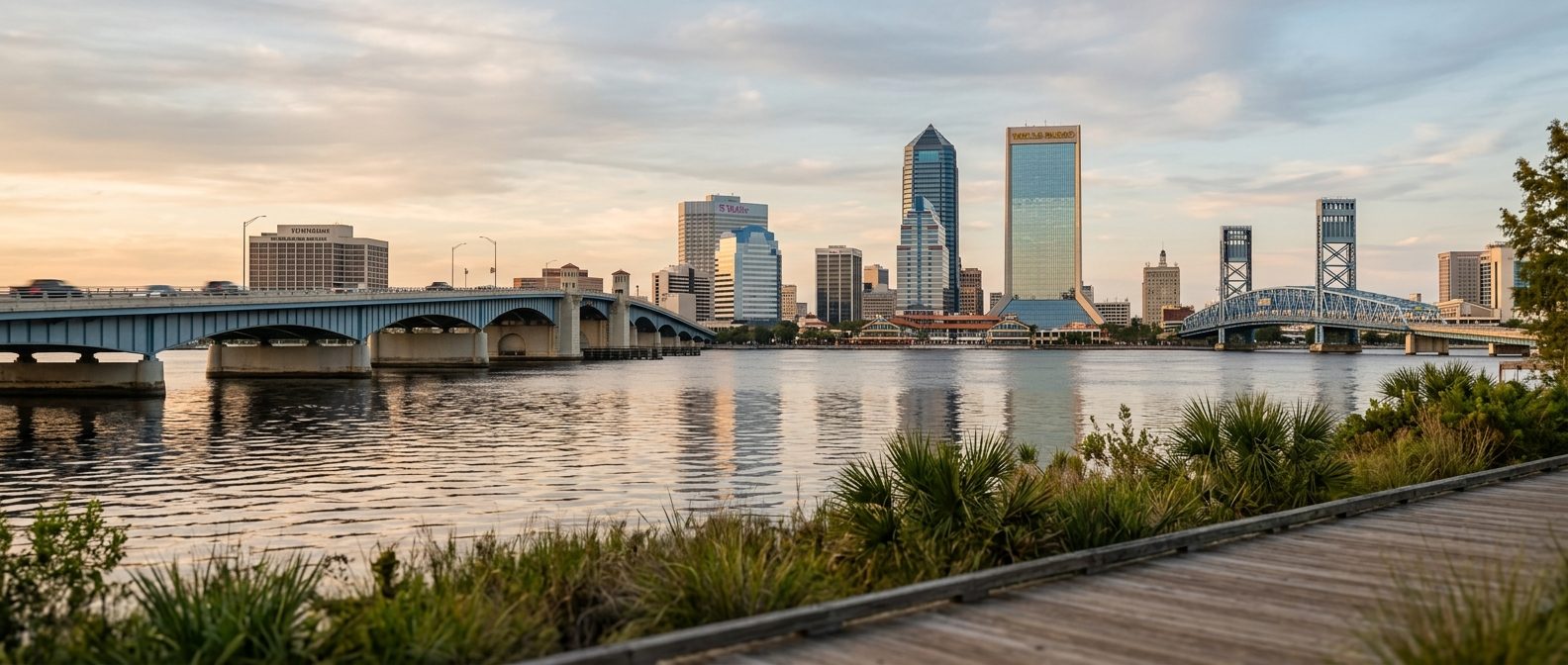
Jacksonville thrives on water. The St. Johns River, Atlantic beaches, and inland lakes draw thousands of boaters and jet ski riders year-round, especially during warm months.
Unlike a car crash, jet ski riders have no protection. There are no airbags, crumple zones, or protective frame. You’re exposed to the water, other vessels, the jet ski itself, and the impact of a high-speed collision.
When a jet ski accident happens, the consequences are severe. Riders are ejected from the machine, struck by the jet ski or another boat, or thrown into obstacles. There’s no seatbelt to hold you in place, no roof to protect your head.
Speed, operator error, alcohol use, and poor visibility create conditions for catastrophic outcomes. This page is written for people who have experienced a serious jet ski accident—not a minor bump, but an injury that has changed everything.
If you or a family member has been seriously injured in a jet ski accident in Jacksonville, you are not alone—and there are legal options available. Talk it through with our team — the first consultation is free, confidential, and carries no obligation.
What Is the Leading Cause of Jet Ski Accidents?
Operator inexperience and lack of training are among the most common factors. Many people operate jet skis with minimal instruction or safety briefing.
Alcohol and drug use significantly increase accident risk. They are a leading contributor to fatal crashes.
Speeding and reckless operation—especially in crowded or shallow waters—create collision hazards. Failure to maintain proper lookout, particularly at dawn or dusk when visibility is poor, leaves operators unable to see other vessels, swimmers, or obstacles.
Mechanical failure or inadequate maintenance of the jet ski itself can cause loss of control. Collisions with other vessels, swimmers, or fixed objects (docks, rocks, debris) happen regularly.
In Jacksonville’s waterways, navigational hazards, changing water conditions, and the mix of recreational and commercial traffic also play a role in serious accidents.
How Many Jet Ski Accidents Occur Each Year?
The U.S. Coast Guard tracks recreational boating accidents through its Office of Auxiliary and Boating Safety. Nationally, thousands of recreational boating accidents are reported annually. Jet skis (personal watercraft) represent a significant portion.
Florida consistently ranks among the highest states for boating accidents and fatalities. This reflects both the popularity of water recreation and the year-round boating season. Not all accidents are reported, so official statistics likely undercount the true number of incidents.
Serious, life-altering injuries—spinal cord damage, traumatic brain injury, amputation—are less common than minor injuries. But they occur regularly enough that emergency rooms in coastal areas are familiar with them.
What Injuries Result from Serious Jet Ski Accidents?
Catastrophic jet ski injuries are permanent and life-altering. They include:
Traumatic Brain Injury (TBI): Impact to the head during collision or ejection can cause permanent cognitive, physical, and behavioral changes. According to Mayo Clinic, TBI can result in difficulty concentrating, memory problems, mood changes, and in severe cases, permanent disability.
Spinal Cord Injury and Paralysis: Impact to the back or neck can result in paraplegia (lower-body paralysis) or quadriplegia (all-four-limbs paralysis). These injuries require lifelong care, mobility aids, and home modifications.
Amputation and Limb Loss: Crushing injuries, propeller strikes, or severe lacerations may require surgical removal of fingers, hands, arms, or legs. Survivors face permanent disability, phantom pain, and the need for prosthetics and ongoing rehabilitation.
Severe Burns: Fuel fires or contact with hot engine components cause deep tissue damage. These require extensive treatment and often result in scarring and functional impairment.
Catastrophic Back and Neck Injuries: Fractures, disc herniation with nerve damage, or other injuries causing permanent impairment and chronic pain.
Wrongful Death: Fatal crashes leave families without a loved one. They face financial devastation, lost income, and emotional trauma.
These are not minor injuries that heal in weeks. They are permanent conditions requiring lifelong medical care, adaptation, and support.
What Is the Likelihood of Falling Off a Jet Ski?
Ejection from a jet ski is common in accidents, especially at high speed or during collision. Once ejected, riders are vulnerable to secondary injuries: being struck by the jet ski itself, struck by another vessel, or drowning.
Jet skis can continue moving after the operator is thrown. This creates a hazard for the rider in the water.
Alcohol impairment significantly increases the risk of falling off and the severity of injury if you do. Lack of proper life jacket use increases the risk of drowning if ejected.
In serious accidents, ejection is often the beginning of a cascade of injuries, not the end of the incident.
Why Are Jet Skis Not Allowed at Night?
Florida law and U.S. Coast Guard regulations restrict jet ski operation during darkness because visibility is severely limited. Without daylight, operators cannot see other vessels, swimmers, obstacles, or hazards in the water. Navigation lights on jet skis are often inadequate to prevent collisions.
Operator fatigue and impaired judgment are more common during evening and night hours. The combination of poor visibility and reduced operator alertness creates a recipe for serious accidents.
These restrictions exist because nighttime jet ski operation has been linked to fatal and catastrophic-injury crashes.
Not sure what your next step is?
Talk it through with our team — the first consultation is free, confidential, and carries no obligation.
Jet Ski Accidents in Jacksonville: Local Context
St. Johns River, Atlantic beaches, and inland lakes in the Jacksonville area are popular jet ski destinations. St. Johns County and Duval County waterways see regular recreational use and, unfortunately, regular serious accidents.
Local emergency responders are experienced in water-rescue operations. But the severity of jet ski injuries often exceeds what immediate medical care can fully address.
Recent high-profile incidents in the Jacksonville area have highlighted the catastrophic nature of jet ski crashes. If you or a family member has been seriously injured in a jet ski accident in Jacksonville, you are not alone—and there are legal options available.
Who Is Responsible for a Jet Ski Accident?
Determining liability requires investigation into the specific facts of your accident. Multiple parties may bear responsibility:
The Operator: The jet ski operator may be liable if their negligence or recklessness caused the accident—speeding, operating under the influence, failure to maintain proper lookout, or violating boating laws.
The Owner: The jet ski owner may be liable if they negligently entrusted it to an unqualified operator or failed to maintain it properly.
The Rental Company: A rental company may be liable if they rented a jet ski to an intoxicated person, failed to provide proper safety instruction, or rented an unsafe or poorly maintained machine.
Another Vessel Operator: Another boat operator may be liable if their negligence caused a collision.
Property or Marina Operator: A property owner or marina operator may be liable if unsafe conditions, inadequate warnings, or negligent supervision contributed to the accident.
Under Florida’s comparative fault law, you may still recover damages even if you were partially at fault. You can recover as long as you were not more than 50% responsible for the accident.
What Should You Do After a Serious Jet Ski Accident?
Seek immediate medical attention, even if injuries seem minor. Some catastrophic injuries—like internal bleeding or spinal damage—are not immediately obvious.
Report the accident to the Florida Fish and Wildlife Conservation Commission (FWC) or local law enforcement if required.
Gather information from witnesses, including names, phone numbers, and what they saw.
Document the scene with photos or video if safely possible.
Preserve evidence: the jet ski, any safety equipment, medical records, and any communications with the other party or their insurance.
Do not sign anything or make statements to insurance companies without legal guidance.
Contact an attorney who focuses exclusively on catastrophic injury cases. They can guide you through the legal process and protect your rights.
Legal Options After a Catastrophic Jet Ski Injury in Jacksonville
A personal injury claim against the at-fault party seeks compensation for medical expenses, ongoing care, lost income, pain and suffering, and other damages. These claims reflect the full scope of your injury and its lifetime impact.
A wrongful-death claim may be brought by the family of someone killed in a jet ski accident. It seeks compensation for funeral expenses, lost financial support, and the loss of companionship.
Insurance claims may be available through the at-fault party’s liability policy, your own underinsured/uninsured motorist coverage, or other policies.
Litigation may be necessary if a settlement cannot be reached. The goal is to secure fair compensation that reflects the full scope of your injury and its impact on your life.
Under Florida Statutes §95.11, you generally have two years from the date of injury to file a personal injury claim, and two years for a wrongful-death claim. Do not wait; evidence fades and witnesses become harder to locate.
Have questions about what happened?
Ask our team directly. The first conversation is free, confidential, and there is no obligation to continue.
Why You Need an Attorney for a Catastrophic Jet Ski Injury
Jet ski accident cases are complex. They involve maritime law, boating regulations, insurance policies, and often multiple liable parties.
Insurance companies have teams of adjusters and lawyers working to minimize payouts. You need experienced legal representation on your side.
An attorney can investigate the accident, identify all liable parties, and build a strong case for maximum compensation. Medical and financial experts may be needed to document the full scope of your injury and its lifetime impact.
An attorney can negotiate with insurance companies and, if necessary, take your case to trial.
Most importantly, an attorney can help you focus on recovery while they handle the legal and financial complexities. You don’t have to face the insurance company alone.
Frequently Asked Questions
What is the statute of limitations for a jet ski accident claim in Florida?
You generally have two years from the date of injury to file a personal injury claim, and two years for a wrongful-death claim under Florida Statutes §95.11.
Can I recover damages if I was partially at fault for the jet ski accident?
Yes, under Florida’s comparative fault law, you may recover damages even if you were partially at fault. You can recover as long as you were not more than 50% responsible for the accident.
What types of compensation can I recover in a jet ski accident claim?
Compensation may include medical expenses, ongoing care and rehabilitation, lost wages, loss of earning capacity, pain and suffering, and in wrongful-death cases, funeral expenses and loss of companionship.
Who investigates jet ski accidents in Florida?
The Florida Fish and Wildlife Conservation Commission (FWC) investigates jet ski accidents in Florida waters. Local law enforcement and the U.S. Coast Guard also investigate in some cases.
What should I do if the other party’s insurance company contacts me?
Do not make a statement or sign anything without consulting an attorney first. Insurance adjusters are trained to minimize payouts. An attorney can protect your rights and ensure you receive fair compensation.
If you or a family member has suffered a catastrophic injury or loss in a jet ski accident in Jacksonville, the path forward begins with understanding what happened and what you’re entitled to recover. Contact us for a free case evaluation. We focus exclusively on catastrophic injury cases, and people dealing with the aftermath of serious jet ski accidents reach out to us regularly to learn what legal options are available to them.