

Catastrophic Injury Attorneys · Florida & Nationwide
A Free Case Evaluation When Life Has Changed Forever
If you or someone you love has suffered a spinal cord injury, paralysis, a traumatic brain injury, an amputation, severe burns, or a fatal accident, our licensed attorneys are ready to listen. The consultation is free, confidential, and carries no obligation.
Why Families Turn to CHG
Free
Case evaluations with no obligation
Nationwide
Cases accepted across the U.S.
Bilingual
English & Spanish support
Bar-Admitted
Florida Bar licensed attorneys
By CHG Lawyers · Published August 10, 2026
Catastrophic Injury Free Case Evaluation
A catastrophic injury free case evaluation is a private, no-cost talk with a licensed attorney. You learn your legal options after a permanent, life-changing injury. That includes a spinal cord injury, paralysis, a brain injury, an amputation, a severe burn, or a serious back or neck injury. It also covers families who lost someone in a fatal accident or attack. The talk costs you nothing. You are never required to hire our firm.
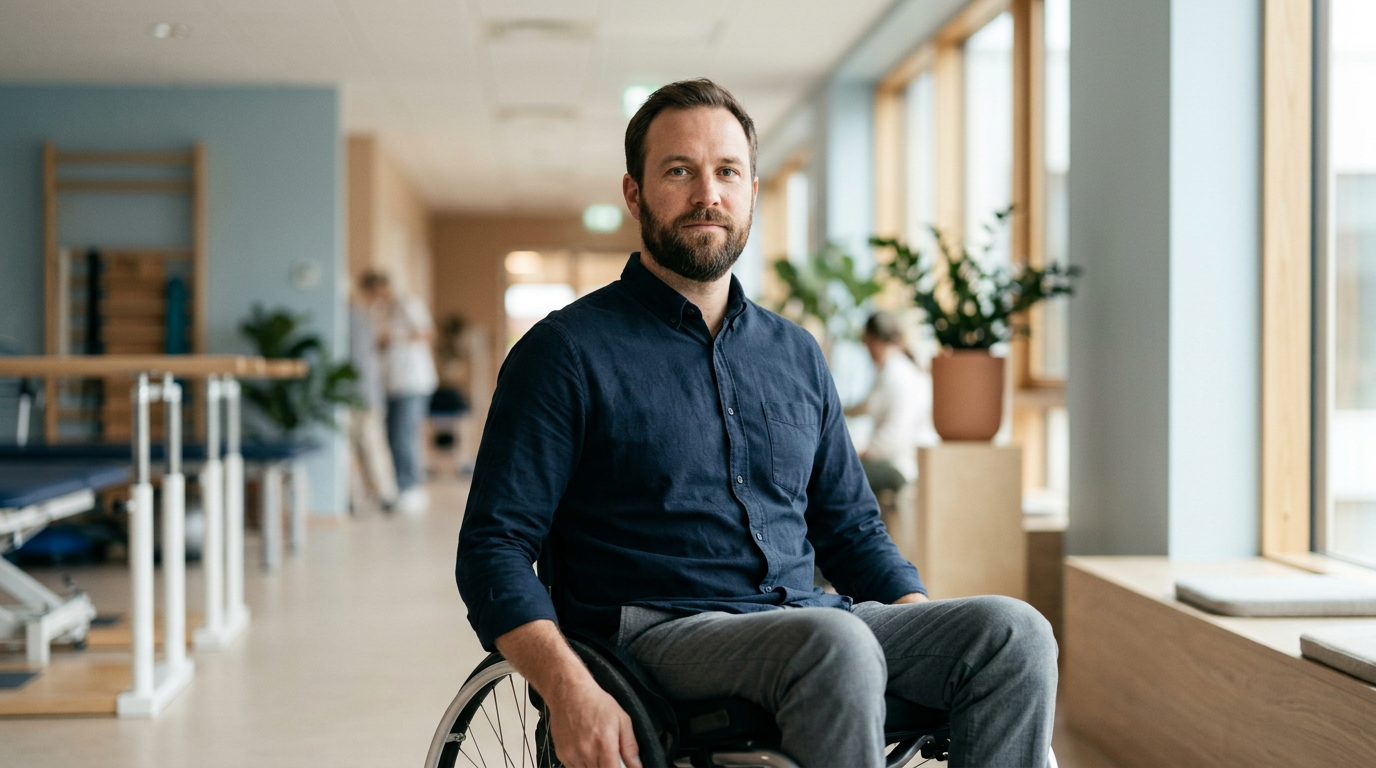
Have you or someone you love just heard the words paraplegia, quadriplegia, or traumatic brain injury? Then you are likely somewhere you never expected. Maybe an ICU waiting room, a burn or trauma unit, a rehab center, or a home now built around a hospital bed.
You have urgent questions. Who is responsible? Who pays for a lifetime of care? How long do we have to act? This page answers those questions plainly. Our attorneys are admitted to the Florida Bar. We review catastrophic cases nationwide.
Request your free case evaluation — it’s private, and there’s no pressure.
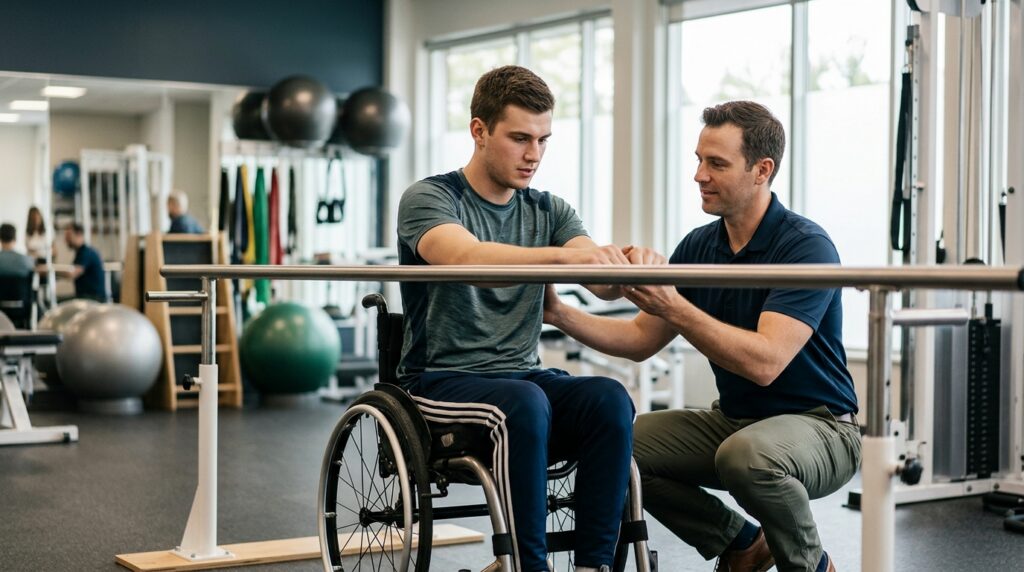
If your loved one is still admitted, we can arrange a bedside or hospital consultation . Talk it through with our team — the first consultation is free, confidential, and carries no obligation.
What a Catastrophic Injury Free Case Evaluation Is
It’s a private talk with our team. We help you understand whether you may have a legal claim after a serious, permanent injury or a wrongful death. You get clear answers, not a sales pitch.
In plain terms:
- It’s completely free. You pay nothing before, during, or after.
- It’s not a commitment. Talking to us does not mean you must hire us.
- It’s confidential. What you share stays private.
- It’s focused. We handle only catastrophic, life-changing injuries and fatal outcomes — not routine legal work or minor injuries.
We built this process for people who cannot leave a hospital room. If your loved one is still admitted, we can arrange a bedside or hospital consultation. That can be by video for family at home. Where allowed, it can be in person at the facility. No one should have to choose between staying at a loved one’s side and protecting their rights.
Who This Evaluation Is For
This evaluation is for people with a catastrophic injury — one that is permanent or life-changing. It’s also for the families and caregivers beside them. And it’s for families who have lost someone.
Reach out if you’re:
- A person living with a spinal cord injury, paraplegia, or quadriplegia (tetraplegia).
- Someone with a traumatic brain injury, an amputation or limb loss, a severe burn injury, or a serious back or neck injury that has changed how you work, move, or care for yourself.
- A spouse, parent, adult child, or caregiver acting for an injured loved one who cannot act yet.
- A family that has lost a loved one in a fatal crash, a fatal fall, or a fatal attack on someone else’s property.
If you were attacked on someone else’s property
Some of the worst injuries we see don’t come from an accident at all. Maybe you were assaulted, shot, robbed, or attacked. It may have happened in the parking lot of your apartment complex. Or a hotel hallway, a parking garage, a gas station, outside a bar, or in a store.
You may have been badly hurt because the property was poorly lit. Or the gate or lock was broken. Or there were no cameras or guards. And no one fixed a danger they knew about.
When a property owner fails to provide reasonable security, and someone is seriously hurt or killed as a result, that owner may be responsible. The injured person or their family may have a claim against the property owner. This is separate from any case against the attacker.
Lawyers call this negligent security (a type of premises-liability claim, meaning a claim about an unsafe property). You don’t need to know that term to talk to us. Tell us what happened and where. We’ll explain whether the owner may share the blame.
The injuries we handle
We handle catastrophic, permanent injuries and fatal outcomes only. This is not the right resource for routine back or neck strains, whiplash, or soft-tissue injuries. Nor for minor burns, simple fractures, or herniated discs that heal without lasting harm.
Not sure where your injury falls? Read our catastrophic injury claims overview or call us. We’ll help you understand your situation.
You are not facing something rare. The Christopher & Dana Reeve Foundation estimates that about 5.4 million Americans — roughly 1 in 50 — live with some form of paralysis. For spinal cord injuries, the National Spinal Cord Injury Statistical Center (NSCISC) at the University of Alabama at Birmingham reports an estimated 18,000 new cases in the U.S. each year. Vehicle crashes and falls are among the leading causes.
If Your Loved One Died
A death is the most catastrophic outcome there is. Nothing on this page can make that lighter. What we can do is explain, calmly and without pressure, what a family can do next.
Florida’s Wrongful Death Act (Fla. Stat. §768.16–768.26) says who can bring a claim. It is brought by the personal representative of the estate for surviving family members — often a spouse, children, or parents.
A wrongful-death claim can seek accountability for the loss. It can also seek support for the family left behind. When a fatal crash is involved, federal crash data is part of the public record. Data like the NHTSA Fatality Analysis Reporting System (FARS) can help show how a crash happened.
If this is your family, you don’t have to decide anything today. You can simply ask questions.
What the Free Evaluation Covers
During your evaluation, we review how the injury or loss happened. We look at who may be responsible and what a claim could involve. We answer your questions honestly.
We’ll usually discuss:
- How the injury happened and who may be at fault — a trucking company, a driver, a property owner, a product maker, or a medical provider.
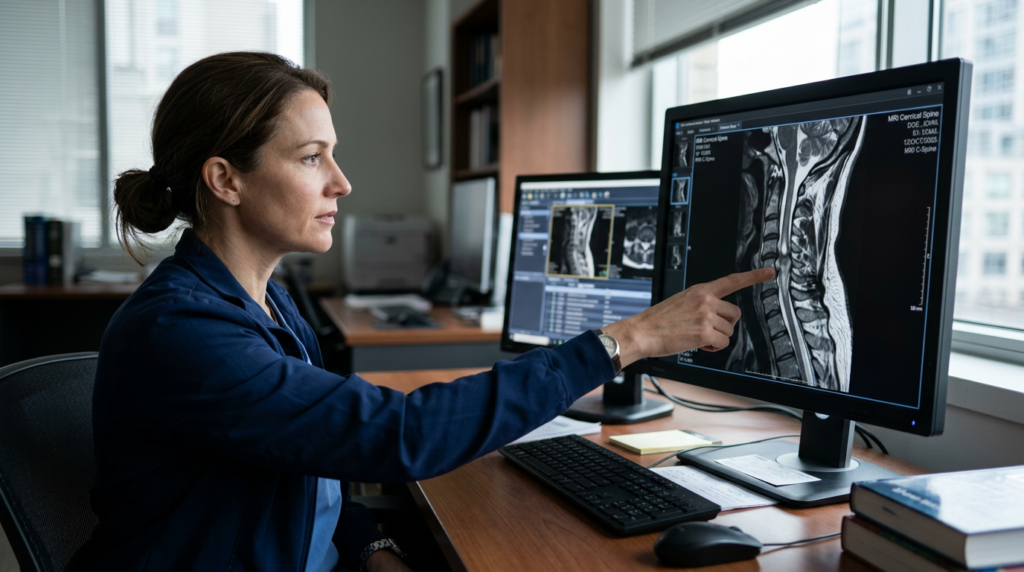
- The nature and permanence of the injury. Doctors often describe spinal cord injuries as complete or incomplete. They rate them using the ASIA Impairment Scale (created by the American Spinal Injury Association), described by the Mayo Clinic. Higher neck injuries may affect all four limbs. Lower back injuries may affect the legs and lower body. For brain injury, doctors grade severity from mild to severe. For burns, they look at depth (degree) and how much of the body is affected. These medical details often shape what a claim must prove.
- The types of damages a catastrophic claim can involve — emergency and ongoing medical care, lost earning ability, prosthetics, wheelchairs, and assistive equipment. Also home and vehicle changes for wheelchair access, attendant care, and long-term or lifelong care needs.
- Deadlines that apply to your case, including the statute of limitations (the legal deadline to file).
- How a catastrophic injury or wrongful-death claim usually proceeds and what we would do if we take your case.
One honest note about the law: we explain possibilities and process. We do not promise or guarantee any result or dollar amount. Florida Bar rules forbid lawyers from doing so. Anyone who makes that kind of promise is not following the rules.
How It Works: Step by Step
The process is simple. We move quickly because evidence and deadlines matter.
- Reach out. Submit our online form or call. We gather a few basic facts about what happened.
- Speak with our team. You’ll have a private talk by phone, video, or in person. If the injured person is in the hospital, we can meet at the bedside.
- We review your case. Our attorneys look at who may be at fault, how severe and permanent the injury is (or the details of a death), and which deadlines apply.
- We explain your options. You get a clear picture of whether you may have a claim and what comes next — in English or Spanish.
- You decide. You choose whether to move forward. No pressure. No obligation.
The first talk is usually short. A full case review takes more time. That’s especially true once we gather medical records, imaging, and crash or incident reports. For negligent-security cases, we also look at property records, like past police calls and maintenance logs. We’ll keep you informed at each step.
If you were assaulted, shot, or attacked on someone else's property because of missing lights, broken gates, or no security, the owner may be responsible. Talk it through with our team — the first consultation is free, confidential, and carries no obligation.
What It Costs You
Nothing. The case evaluation is completely free. It does not commit you to anything.
Families ask this most, so here is the plain answer. If we take your case, we usually work on a contingency fee. That means our fees generally come only as a percentage of a recovery — money paid to resolve your case. You do not pay an up-front bill. If there is no recovery, you generally do not owe attorney fees under this setup.
Costs (like expert fees and record charges) are handled separately. We explain exactly how before you sign anything.
Florida Bar rules require contingency fee agreements to be in writing. You must also receive a copy. What we cannot do is promise that any case will end in a recovery. No honest firm can predict that.
How to Prepare for Your Evaluation
Gather what you can. Don’t stress if you’re missing things. We can help you collect the rest, including requesting records. Most families come to us with only part of this list, and that’s fine.
Helpful information to have ready:
- The date and location of the incident and a short account of how it happened.
- Any police reports, crash reports, incident reports, or workplace records — or the report number.
- Medical records, imaging, diagnosis, and treatment details for the injury.
- Names of others involved, witnesses, and insurance information.
- For a property-attack (negligent-security) case: the address, whether the area was lit, whether gates, locks, and cameras worked, and anything you know about past crimes or complaints there.
- Notes on how the injury has affected daily life, work, mobility, and care needs — or, in a wrongful-death case, how the loss has affected your family.
Good questions to ask us during your call:
- Do I appear to have a valid claim?
- Who might be responsible?
- What deadlines apply to my situation?
- What would the next steps look like?
Why Families Work With CHG Personal Injury Lawyers
We focus on catastrophic, life-changing injuries and wrongful-death losses. That focus shapes everything we do.
- A defined, narrow practice. We concentrate on spinal cord injuries and paralysis, brain injuries, amputations, severe burns, catastrophic back and neck injuries, truck-crash cases, and negligent-security claims — not every type of legal matter.
- Credentialed attorneys. Our lawyers are admitted to the Florida Bar.
- We plan around real-world stakes. Beyond mobility, spinal cord injuries can affect breathing, circulation, bladder and bowel function, and skin health, per the Mayo Clinic. We build cases around lifelong care needs, not just the first hospital bill.
- Bilingual support. We serve families in English and Spanish, so you get answers in your preferred language.
- Nationwide review from a Florida base. We serve Miami, Orlando, Tampa, and Jacksonville, and we review catastrophic cases across the country.
We don’t make “best” or “#1” claims. We don’t quote win rates or success percentages. Those claims can’t be verified, and the Florida Bar bars them. We’d rather earn your trust by being clear about what we can and can’t say.
Frequently Asked Questions
Is the case evaluation really free?
Yes. It’s completely free with no obligation to hire us.
Can you come to the hospital?
Yes. When a loved one is admitted, we can arrange a bedside or hospital consultation and include family by video.
How long does the evaluation take?
The first talk is usually short. A full case review takes longer once we study medical records and reports.
Do I have to hire you afterward?
No. The decision is entirely yours, with no pressure.
Is my information confidential?
Yes. We keep your communications with us confidential.
I was attacked at an apartment complex or store — is that a claim?
It may be. If a property owner failed to provide reasonable security (working locks or gates, lighting, cameras, or guards) and you were seriously hurt, the owner may share responsibility. Tell us what happened and we’ll explain.
Can you help if the injury happened outside Florida?
Yes. We’re Florida-based and review catastrophic injury cases nationwide.
How soon should I contact a lawyer?
As soon as possible. In Florida, many negligence claims must be filed within two years under Fla. Stat. §95.11. Florida also follows a modified comparative-fault rule under Fla. Stat. §768.81. Acting early helps protect evidence and your rights. Deadlines differ in other states.
Not sure what your next step is?
Talk it through with our team — the first consultation is free, confidential, and carries no obligation.
Start Your Free Case Evaluation Today
We know this is one of the hardest seasons of your life. You may face medical fear, money worry, and a future that looks different than you planned. Or you may be grieving someone you loved. You don’t have to sort through the legal side alone.
A catastrophic injury free case evaluation gives you clarity. It’s free, private, and available at the bedside if needed. And it’s in the language you’re most comfortable with.
Contact us now to request your free, no-obligation case evaluation. Reaching out costs nothing. It may be the first step toward understanding your options.
The Serious Injuries We Handle
Spinal Cord Injuries & Paralysis
Paraplegia, quadriplegia, and catastrophic back and neck injuries that cause permanent impairment.
Traumatic Brain Injuries
TBIs that change how a person thinks, speaks, moves, and lives, often requiring lifelong care.
Amputation & Severe Burns
Limb loss and disfiguring burn injuries that demand extensive treatment and rehabilitation.
Fatal Accidents & Wrongful Death
When the worst happens, we help families pursue accountability with dignity and care.
Truck Accidents
Large-truck crashes that leave victims with life-altering, permanent injuries.
Injuries From Unsafe Property
If you were assaulted, shot, or attacked on someone else's property because of missing lights, broken gates, or no security, the owner may be responsible. This is known as a negligent security claim.
Don't Sign Anything From an Insurer First
After a catastrophic injury, an insurance company may reach out early with a settlement or a recorded statement. Before you agree to anything, talk with an attorney who works for you. The call is free.
Common Questions About the Evaluation
Is it really free?
Yes. Your case evaluation is completely free, with no obligation to hire us afterward.
Can you come to the hospital?
Yes. When a loved one is admitted, we can arrange a bedside or hospital consultation and include family members by video.
How long does it take?
The first conversation is usually brief. We listen to what happened, answer your questions, and explain the options available to you.
Do you speak Spanish?
Yes. We serve families in both English and Spanish so nothing important gets lost in translation.