


Rideshare Accident Lawyer
Uber & Lyft Back and Neck Injury Lawyer
If you were injured in a rideshare accident, you may have legal options. We handle back and neck injuries from Uber and Lyft crashes throughout Florida.
By CHG Lawyers · Published September 19, 2026
Uber & Lyft Back and Neck Injury Lawyer
If you suffered a serious back or neck injury in a rideshare crash, you may have a claim for damages. You can sue the driver, the rideshare company, or both. Catastrophic spinal injuries from Uber and Lyft accidents—including vertebral fractures, herniated discs with nerve damage, and spinal cord injury—are far more serious than minor strain. They often require lifelong medical care, lost income recovery, and compensation for permanent impairment.
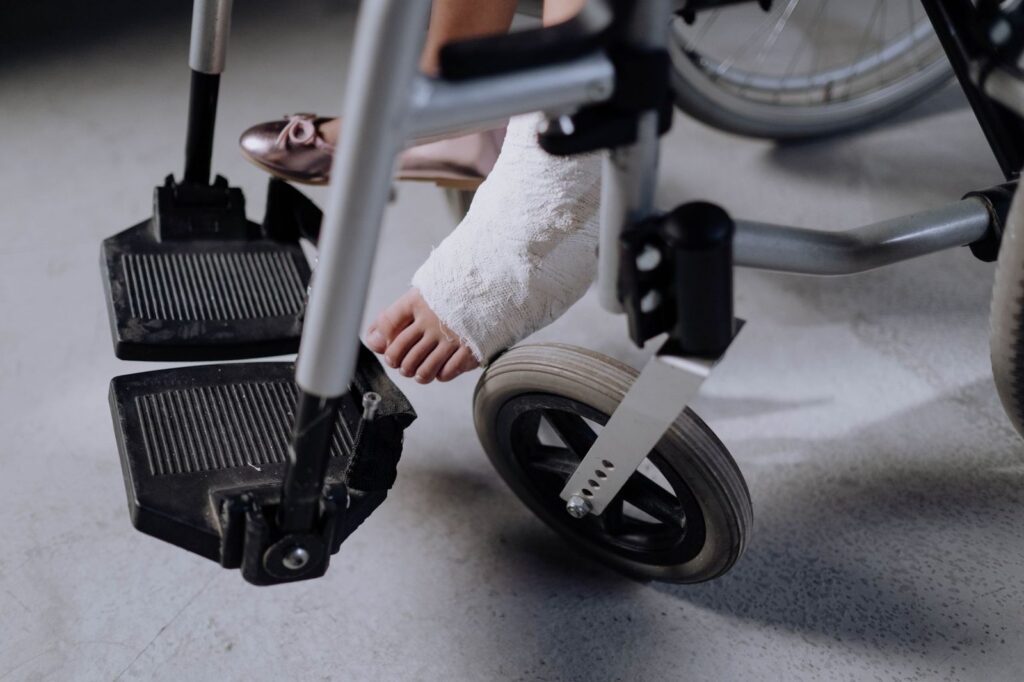
If you suffered a serious back or neck injury in a rideshare crash, you may have a claim for damages. Talk it through with our team — the first consultation is free, confidential, and carries no obligation.
What Are Catastrophic Back and Neck Injuries from Rideshare Accidents?
Catastrophic back and neck injuries are serious, permanent spinal injuries. They cause lasting impairment and fundamentally alter your life. They are not minor soreness or temporary strain.
These injuries include:
- Vertebral fractures – breaks in the spine bones that may cause instability or nerve compression
- Herniated discs with nerve damage – disc material pressing on spinal nerves, causing chronic pain, weakness, or numbness
- Spinal cord injury – damage to the nerve tissue inside the spinal canal that can result in permanent loss of sensation or movement
- Paralysis – partial (paraplegia) or complete (quadriplegia) loss of movement, depending on injury location
- Chronic pain requiring ongoing treatment – pain management, physical therapy, and specialist care for years or life
Rideshare crashes cause these injuries through sudden, violent impact. A T-bone crash at an intersection, a multi-vehicle pile-up, or a rollover can subject your spine to extreme forces. These forces fracture bones, rupture discs, or tear spinal cord tissue. High-speed rideshare accidents are especially likely to cause catastrophic harm.
What makes these injuries catastrophic: They require emergency surgery, prolonged rehabilitation, ongoing medical treatment, and assistive devices (wheelchairs, braces, walkers). They may require home modifications. They limit your ability to work, enjoy daily activities, and maintain independence. Recovery is not temporary—these injuries are permanent.
This is different from a minor neck strain or soft-tissue injury, which typically resolve within weeks or months. Catastrophic injuries change your life permanently.
Who Can Be Held Liable for Your Rideshare Back or Neck Injury?
Multiple parties may be responsible for your injury:
The rideshare driver. If the driver was speeding, distracted (texting, eating, adjusting the radio), ran a red light, failed to brake, or violated traffic laws, they are negligent. You can sue the driver for damages.
The rideshare company (Uber or Lyft). The company may be liable if it: – Failed to screen drivers adequately before hiring – Kept a driver with a history of accidents or traffic violations – Failed to maintain the vehicle (worn brakes, bald tires, defective steering) – Enforced policies that encouraged dangerous driving (unrealistic delivery times, low ratings for slow drivers)
Third-party drivers. If another vehicle caused the crash, that driver and their insurer may be liable.
Vehicle manufacturer or parts supplier. If the rideshare vehicle had a defect (faulty brakes, steering failure, poor crashworthiness design), the manufacturer may share liability.
Property or road owner. If an unsafe road condition (pothole, debris, poor lighting) contributed to the crash, the property owner may be liable.
Liability is often shared among multiple parties. Our investigation determines who is responsible and pursues recovery from all available sources.
Insurance Coverage in Rideshare Accidents: What You Need to Know
Rideshare insurance is complex. Coverage depends on the driver’s status at the time of the crash.
Uber and Lyft insurance coverage tiers:
- While engaged in a prearranged ride: Florida law requires the following automobile insurance: primary automobile liability coverage of at least $1 million for death, bodily injury, and property damage (section 627.748, Florida Statutes).
Your protection:
If the at-fault driver lacks sufficient insurance, your own uninsured or underinsured motorist (UIM) coverage may apply. UIM coverage protects you when the other driver’s insurance is insufficient to cover your damages. This is critical in catastrophic injury cases where medical bills and lost income far exceed typical liability limits.
Florida’s no-fault insurance rule also applies. However, PIP has limits. For catastrophic injuries, you’ll pursue the at-fault party’s liability insurance and UIM coverage.
Why coverage disputes matter: Determining which insurer pays affects your recovery timeline and total compensation. We work to identify all potentially available sources of recovery in these disputes.
What Damages Can You Recover in a Rideshare Back or Neck Injury Claim?
Damages in rideshare back and neck injury cases include:
Medical expenses: – Emergency care, surgery, anesthesia, hospital stay – Rehabilitation and physical therapy – Ongoing specialist visits (spine surgeons, neurologists, pain management) – Assistive devices (wheelchairs, braces, orthotics) – Home modifications (ramps, accessible bathrooms, medical equipment) – Medications and pain management
Lost wages and earning capacity: – Income lost during recovery and medical treatment – Permanent reduction in earning ability if the injury prevents you from returning to your prior job – Vocational retraining costs if you must change careers
Pain and suffering: – Compensation for physical pain, emotional distress, anxiety, and depression – Loss of enjoyment of life—hobbies, relationships, independence
Permanent impairment: – Damages reflecting the lasting nature of your injury and its impact on your quality of life
Lifetime care costs: – For catastrophic injuries, damages calculated to cover decades of ongoing medical care, nursing, and specialized equipment
Punitive damages: – In cases of gross negligence or reckless conduct by the rideshare company or driver, courts may award punitive damages to punish the wrongdoer and deter similar conduct
How Much Is a Neck and Back Injury Settlement?
Settlement amounts vary widely because each case is unique. Factors that influence settlement value include:
- Injury severity – vertebral fractures and spinal cord involvement command higher settlements than herniated discs without nerve damage
- Medical evidence – detailed imaging (MRI, CT scans), surgical reports, and specialist testimony prove the injury’s permanence
- Lost income – documented wage loss and expert testimony on reduced earning capacity increase damages
- Age and work history – younger injured people with decades of lost earning potential recover more
- Liability strength – clear evidence of the driver’s or company’s negligence strengthens your settlement position
- Insurance limits – available coverage caps the maximum recovery
Catastrophic back and neck injuries typically result in significantly higher settlements than minor injuries because they cause permanent impairment and require lifelong care. However, no two cases are identical. We evaluate your specific circumstances to calculate fair damages.
Talk it through with our team — the first consultation is free, confidential, and carries no obligation.
Can You Sue Uber or Lyft for a Back or Neck Injury?
Yes. You can sue the rideshare driver, the rideshare company, or both, depending on the circumstances.
Grounds for suing the driver: – Negligent operation of the vehicle (speeding, distracted driving, failure to obey traffic laws)
Grounds for suing the rideshare company: – Negligent hiring or retention of an unsafe driver – Failure to maintain the vehicle – Negligent policies that encourage unsafe driving – Failure to enforce safety standards
Arbitration vs. litigation: Many rideshare agreements include arbitration clauses. These require disputes to be resolved through arbitration rather than court. We handle both arbitration and litigation, depending on what’s required by your agreement and what’s best for your case.
Statute of limitations: Under Fla. Stat. §95.11, you generally have 2 years from the date of the accident to file a personal injury lawsuit in Florida. Acting quickly is critical. It preserves evidence, secures witness statements, and protects medical records before they’re lost or forgotten.
How the Rideshare Back and Neck Injury Claim Process Works
Step 1 – Free initial consultation. We review your accident, injuries, insurance information, and goals at no cost. We answer your questions and explain your options.
Step 2 – Investigation. We gather the police report, medical records, accident scene photos, traffic camera footage, driver records, and company safety policies. We interview witnesses and reconstruct the accident to establish fault.
Step 3 – Medical evaluation. We work with spine specialists, neurologists, and life-care planners. They document the extent of your injury, its permanence, and your lifetime care needs.
Step 4 – Demand and negotiation. We calculate your total damages (medical costs, lost wages, pain and suffering, lifetime care). We present a demand to the at-fault party’s insurer. We negotiate to reach a fair settlement.
Step 5 – Settlement or litigation. Most rideshare injury cases settle during negotiation. If the insurer refuses a fair offer, we prepare for trial and litigate your case in court.
Timeline: – Investigation: 3–6 months – Medical evaluation and demand: 2–4 months – Settlement negotiation: 1–6 months (or longer) – Litigation (if necessary): 1–2 years or more
Why Choose CHG Personal Injury Lawyers for Your Rideshare Back and Neck Injury Claim?
Exclusive focus on catastrophic injuries. We handle only serious, life-altering cases—spinal cord injuries, paralysis, severe burns, traumatic brain injuries, and amputations. We don’t handle minor strain, whiplash, or routine fractures. This focus means deep experience in the complex medical, financial, and legal issues your case demands.
We understand Uber and Lyft insurance policies, driver negligence patterns, company accountability, and the unique risks of rideshare vehicles.
Comprehensive investigation. We uncover evidence of driver negligence, company negligence, and third-party liability. We work with accident reconstructionists, medical experts, and investigators to build a strong case.
Medical experience. We work with spine specialists, neurologists, and life-care planners. They document permanent impairment and calculate lifetime care costs. This medical foundation strengthens your claim significantly.
No upfront costs. We work on contingency—you pay nothing unless we recover for you. This removes financial barriers and aligns our interests with yours.
Nationwide reach. While based in Florida, we handle catastrophic rideshare injury cases across the country.
Common Questions About Rideshare Back and Neck Injury Claims
Q: What if I was a passenger in the rideshare vehicle?
A: You have the same right to sue as any accident victim. Under Florida law, a rideshare company is not a common carrier, contract carrier, or motor carrier, and does not provide taxicab service (section 627.748, Florida Statutes). The driver must operate the vehicle safely.
Q: What if I was the Uber or Lyft driver?
A: Yes, you can pursue a claim. Coverage for driver injuries sustained during an active ride depends on the facts of the trip and the insurance policies that apply.
Q: What if the other driver was uninsured or underinsured?
A: Your own uninsured or underinsured motorist coverage may apply. We also pursue the rideshare company’s liability insurance.
Q: How long do I have to file a claim?
A: Florida’s statute of limitations is 2 years from the date of the accident (Fla. Stat. § 95.11(5)(a)). Acting quickly preserves evidence and strengthens your case.
Q: Will my case go to trial?
A: Most rideshare injury cases settle through negotiation. However, we are fully prepared to litigate and try your case in court if necessary to obtain fair compensation.
Q: What if my injury gets worse over time?
A: We account for progressive impairment and future medical needs in our damage calculations.

If you were hit by an Uber or Lyft vehicle, you may have a claim against the driver and the rideshare company for your back and neck injuries. Talk it through with our team — the first consultation is free, confidential, and carries no obligation.
What to Do Right After a Rideshare Accident
Seek immediate medical attention. Go to an emergency room or urgent care facility, even if you don’t feel severe pain. Spinal injuries can worsen over hours or days. Get a medical record documenting your injuries.
Report the accident to police. Call 911 and request a police report. Obtain the report number and the officer’s name.
Photograph the accident scene. If safe, take photos of vehicle damage, road conditions, traffic signals, and your injuries.
Collect witness information. Ask other passengers, bystanders, or nearby drivers for their names, phone numbers, and statements about what they saw.
Preserve the rideshare app record. Screenshot your ride details, driver information, vehicle license plate, and any in-app messages about the accident.
Do not admit fault or settle quickly. Do not tell the rideshare company, the driver, or insurers that the accident was your fault. Do not accept a quick settlement offer. Wait to speak with an attorney.
Contact us for a free evaluation. The sooner we review your case, the sooner we can begin protecting your rights and building your claim.
If you suffered a serious back or neck injury in an Uber or Lyft crash and are facing mounting medical bills, lost income, and uncertainty about your future, you don’t have to navigate this alone. People in your situation can reach out to us—and we’re ready to help you understand your rights and recover what you’re owed. Contact us today for a free case evaluation.
Why Choose CHG Personal Injury Lawyers
We Focus Exclusively on Catastrophic Injury
Our practice focuses exclusively on serious and life-altering injuries, including back and neck damage. We understand the long-term impact of your injury and fight for the compensation you need.
Rideshare Claims in Florida
We can review how the insurance and responsibilities of Uber, Lyft, and other rideshare platforms may apply to your claim.
Representation Throughout Florida
Based in Florida, we represent rideshare injury victims in Florida, wherever in the state the accident occurred.
Bilingual Support
We provide legal services and educational content in both English and Spanish to serve our diverse communities.
Who Can File a Rideshare Injury Claim
Passengers
If you were a passenger in an Uber or Lyft vehicle when the accident occurred, you have the right to pursue a claim. Under Florida law, a rideshare company is not a common carrier, contract carrier, or motor carrier, and it does not provide taxicab service. (Fla. Stat. § 627.748)
Rideshare Drivers
Driver injuries sustained during an active ride may be covered. You may have claims against other drivers, the rideshare company, or both, depending on the circumstances of the accident.
Other Drivers & Pedestrians
If you were hit by an Uber or Lyft vehicle, you may have a claim against the driver and the rideshare company for your back and neck injuries.
Family Members
If a loved one was killed in a rideshare accident, your family may have a wrongful-death claim. We can help you understand your options.
Act Quickly
Back and neck injuries from rideshare accidents can have serious, long-term consequences. Evidence and witness statements are critical. The sooner you contact us, the better we can protect your claim.
What Happens After a Rideshare Accident
Seek Medical Attention
Your health is the priority. Get evaluated by a doctor immediately, even if you don't feel injured right away. Back and neck injuries can develop over time.
Report the Accident
Report the incident to Uber or Lyft through the app and to law enforcement. Document everything: the driver's name, vehicle details, the other driver's information, and the accident scene.
Gather Evidence
Take photos of the vehicle damage, the accident scene, and any visible injuries. Get contact information from witnesses. Save all medical records and receipts related to your treatment.
Contact Us for a Free Evaluation
We'll review your case, explain your rights, and tell you what to expect. There are no attorney’s fees unless there is a recovery.