


Florida Personal Injury Law
Florida Statute of Limitations for Catastrophic Injuries
Know your deadline. Time limits apply to filing a claim. Understand what Florida law says about your right to pursue compensation.
By CHG Lawyers · Published October 04, 2026
Florida Statute of Limitations for Catastrophic Injury Claims: Your 2-Year Deadline
For most negligence claims in Florida, you have two years to file a catastrophic injury lawsuit. The clock starts on the date of injury. This deadline applies to claims arising on or after March 24, 2023, under Fla. Stat. §95.11.
Miss this deadline, and your case ends permanently—no matter how severe your injury is. This page explains the filing rules for spinal cord injuries, paralysis, and permanent back and neck injuries in plain language. It’s general information, not legal advice about your specific situation.
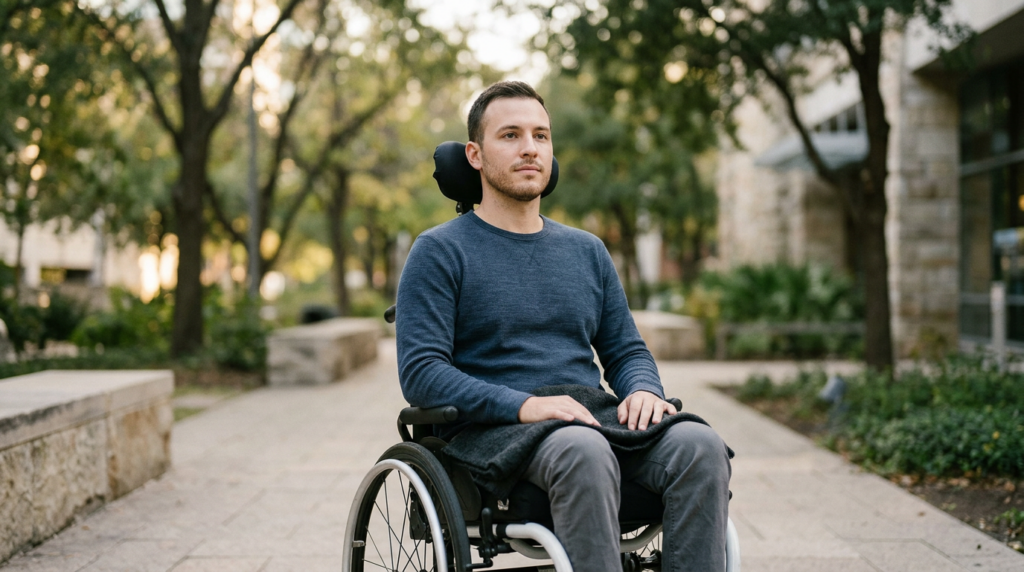
If you or a loved one suffered a catastrophic spinal or back/neck injury, we're here to help. Talk it through with our team — the first consultation is free, confidential, and carries no obligation.
Why Your Filing Deadline Matters After a Catastrophic Injury
A statute of limitations is a legal deadline to file a lawsuit. Miss it, and you lose your right to recover compensation.
Courts enforce this rule strictly. They will dismiss even a strong case if you file too late. The severity of your injury doesn’t change the deadline.
After a catastrophic injury, time moves differently. You may focus on surgery, rehab, breathing support, or learning to live with permanent impairment. Spinal cord injuries cause lasting loss of movement and sensation, plus problems with bladder, bowel, and breathing according to Mayo Clinic.
That’s exactly why deadlines slip away quietly. Days become weeks. Weeks become months. Before you know it, your filing window has closed.
The Two-Year Rule for Negligence Claims
Florida shortened its filing deadline in 2023. A tort reform law (HB 837) changed the old four-year rule to two years.
Here’s how it works under Fla. Stat. §95.11:
- Claims arising on or after March 24, 2023: two-year deadline
- Claims arising before that date: four-year deadline (old rule)
This two-year deadline covers catastrophic injuries from many causes: car crashes, truck wrecks, falls, and accidents caused by someone else’s carelessness.
Figuring out which deadline applies is fact-specific and time-sensitive. A short delay can cost you the chance to file. Confirm your deadline early with a licensed attorney.
Medical Malpractice Claims Have a Different Deadline
Catastrophic injuries caused by medical negligence follow separate rules. Under Fla. Stat. §95.11, you generally have two years from discovery to file.
The clock starts when you discovered the injury—or reasonably should have. This matters for spinal or neurological harm that isn’t obvious right away.
Florida also has an outer time limit called a statute of repose. For medical malpractice, this generally caps most claims at four years from the incident. Limited exceptions exist for fraud or intentional concealment by the provider.
Can I file a medical negligence claim after 20 years? In most cases, no. The statute of repose bars claims filed many years later, even if you didn’t know about the harm. Narrow exceptions apply, so ask an attorney about your facts.
When Does Your Filing Deadline Actually Start?
The deadline usually starts on the date of injury. But sometimes it starts when you discovered the harm—or reasonably should have.
This “discovery rule” matters for catastrophic injuries. The full extent of paralysis or permanent impairment often becomes clear only over time. Doctors use tools like the ASIA Impairment Scale to classify spinal cord injury severity.
The exact accrual date is a legal question. It depends on medical records and case details. An attorney can review those facts and pinpoint when your clock actually started.
Stricter Rules for Claims Against Government Entities
Claims against government bodies follow faster, stricter rules. If a government vehicle, public hospital, or public property caused your injury, extra steps apply.
Florida’s sovereign immunity law, Fla. Stat. §768.28, controls these claims. You must give written notice to the right agency before you can sue. For most claims, that notice period is three years.
Government claims also carry damage caps. The amount you can recover may be limited by statute, even in catastrophic cases.
These notice rules are strict and easy to miss. One missed step can block an otherwise valid claim. Acting early protects your ability to meet every requirement.
Not sure what your next step is?
Talk it through with our team — the first consultation is free, confidential, and carries no obligation.
Exceptions That Can Pause Your Deadline
Some situations pause (called “tolling”) the deadline. These exceptions are limited and depend heavily on your facts.
Common examples include:
- Minors. The clock may pause for children in certain situations.
- Legal incapacity. The deadline may pause if an injured person is legally incapacitated. This can matter when a catastrophic injury causes brain or cognitive impairment.
- Defendant conduct. The clock may pause if the at-fault party leaves the state or hides their wrongdoing.
Don’t count on an exception without legal review. These rules are narrow. Courts apply them carefully. An attorney can tell you whether any exception fits your case.
Multiple Deadlines in Complex Cases
A single accident can involve more than one deadline. Different claims and defendants carry different filing rules.
- Product liability. If defective equipment caused your catastrophic injury, a product claim may apply with its own timing rules.
- Wrongful death. If a catastrophic injury results in death, a wrongful death claim has a separate deadline.
Complex cases often name several defendants: a driver, an employer, a manufacturer, and a government agency. Each may face a different deadline. Sorting this out early keeps every option open.
How Florida’s 51% Rule Affects Your Claim
Florida uses a modified comparative negligence rule called the 51% rule. Under Fla. Stat. §768.81, someone found more than 50% at fault generally cannot recover damages.
If you’re 50% or less at fault, you can still recover (Fla. Stat. § 768.81(6)). But your award is reduced by your share of fault. If you’re 20% at fault, your recovery drops by 20%.
The 51% rule affects the value of your claim, not the filing deadline. Both matter. You must file on time and protect the strength of your case. Fault is often disputed. Preserving proof early is important.
Steps to Protect Your Rights Before Time Runs Out
Act early to protect your claim. A few practical steps make a real difference.
- Preserve evidence. Save medical records, photos, and documentation of the injury and its permanent impact.
- Don’t delay. Deadlines and government notice rules are short. Waiting quietly ends your rights.
- Get legal advice. Speak with a licensed attorney early to confirm which deadline applies to your situation.
Spinal cord injuries and paralysis affect a large number of Americans each year, according to the Christopher & Dana Reeve Foundation and the National Spinal Cord Injury Statistical Center. If your injury involved someone else’s negligence, timing your claim correctly is one of the most important early steps.
Our firm focuses exclusively on catastrophic injury claims and personal injury cases nationwide. We understand how deadlines work and how to protect your rights.
Talk to a Catastrophic Injury Attorney About Your Deadline
If you or a loved one suffered a catastrophic spinal or back/neck injury, we’re here to help. Our attorneys are admitted to The Florida Bar.
Request a free case evaluation to learn which deadline applies to your situation. There’s no pressure—just clear answers. You can also visit our resources page for more information about catastrophic injuries and your legal options.
This page is general information, not legal advice. Deadlines vary based on your facts. Only a review of your case can confirm your Florida statute of limitations for catastrophic injury claim.

Have questions about what happened?
Ask our team directly. The first conversation is free, confidential, and there is no obligation to continue.
Frequently Asked Questions
How long do I have to file a catastrophic injury lawsuit in Florida?
For most negligence claims arising on or after March 24, 2023, you have two years from the injury date under Fla. Stat. §95.11.
Is the deadline different for medical malpractice injuries?
Yes. Medical malpractice claims generally have a two-year deadline from discovery, with an overall four-year outer limit in most cases.
What is the 51% rule in Florida?
It means a person found more than 50% at fault for their own injury generally cannot recover damages under Fla. Stat. §768.81.
What happens if I miss the statute of limitations?
A court will usually dismiss your case. You’ll likely lose your right to recover compensation, no matter how serious the injury.
Is the deadline shorter for claims against a government entity?
Yes. Government claims require written notice first and follow strict rules under Fla. Stat. §768.28. Act early.
Time Matters
Missing a filing deadline can cost you your claim entirely. If you or a loved one has suffered a catastrophic injury, do not wait to contact an attorney. The sooner you act, the sooner we can protect your rights.
Key Deadlines Under Florida Law
General Negligence Claims
For most personal injury claims—including car accidents, truck crashes, slip-and-fall incidents, and negligent security cases—Florida law gives you two years from the date of injury to file a lawsuit under Fla (Fla. Stat. § 95.11(5)(a)). Stat. §95.11 (effective March 24, 2023).
Medical Malpractice Claims
Medical malpractice cases follow a different timeline. You generally have two years from the date you discovered (or reasonably should have discovered) the injury, with an overall cap of four years from the date of the negligent act, whichever comes first.
Wrongful Death Claims
If a catastrophic injury results in death, the family's claim to recover damages is subject to the same two-year deadline from the date of death under current Florida law.
Exceptions and Special Circumstances
Certain situations—such as claims against government entities, claims involving minors, or cases where the defendant is absent from Florida—may have different or extended deadlines. An attorney can determine whether an exception applies to your case.
Why the Deadline Matters—and Why You Should Act Now
The Clock Starts Immediately
From the moment a catastrophic injury occurs, the statute of limitations begins. Waiting to seek legal advice can eat into the time you have to investigate, gather evidence, and file your claim.
Evidence Preservation
The sooner an attorney is involved, the sooner we can preserve critical evidence—accident reports, medical records, witness statements, security footage, and maintenance logs—before it disappears or degrades.
Protecting Your Rights
An attorney can identify all responsible parties, determine which deadline applies to your specific situation, and ensure your claim is filed before time runs out.
No Attorney’s Fees Unless There Is a Recovery
We handle catastrophic injury cases on a contingency basis. You pay no attorney fees upfront—we only recover a fee if there is a settlement or judgment in your favor.
What Counts as a Catastrophic Injury Under Florida Law
Spinal Cord Injuries & Paralysis
Permanent damage to the spine resulting in paraplegia or quadriplegia, causing lifelong mobility loss and care needs.
Traumatic Brain Injuries
Severe head trauma causing cognitive, physical, or behavioral impairment that affects daily functioning.
Amputation & Limb Loss
Loss of a limb or digit due to accident, negligence, or medical error, requiring lifelong adaptation and prosthetic care.
Severe Burn Injuries
Deep tissue burns requiring extensive medical treatment, surgery, and long-term rehabilitation.
Catastrophic Back & Neck Injuries
Severe spinal damage causing chronic pain, loss of function, or permanent disability.
Wrongful Death
Fatal injuries caused by negligence, accidents, or unsafe conditions—claims brought by surviving family members.
Common Causes of Catastrophic Injuries in Florida
Truck & Motor Vehicle Accidents
High-impact collisions involving commercial trucks, rideshare vehicles, motorcycles, and cars often result in catastrophic, permanent injuries.
Negligent Security & Violent Crime
Assaults, shootings, robberies, and sexual assaults at apartment complexes, parking garages, hotels, and businesses where the property owner failed to provide reasonable security measures.
Workplace & Construction Accidents
Severe injuries in construction zones, maritime environments, and other work settings due to unsafe conditions or failure to follow safety protocols.
Medical Negligence
Surgical errors, misdiagnosis, medication mistakes, and other failures in medical care that cause permanent harm.
Do Not Let the Deadline Pass
If you or a family member has suffered a catastrophic injury in Florida, the statute of limitations is not a suggestion—it is a hard legal deadline. Once it passes, your right to file a claim is gone forever. Contact CHG Personal Injury Lawyers now for a free, confidential case evaluation. We focus exclusively on catastrophic injury claims and will answer your questions about deadlines, your rights, and next steps.