

Negligent Security | Spine Injury
Assaulted on Someone Else's Property? Hold the Owner Accountable
If you suffered a spine injury in an attack at an apartment complex, parking garage, hotel, or other premises, the property owner may be liable for failing to provide adequate security. CHG Personal Injury Lawyers focuses exclusively on catastrophic injuries and can help you pursue a claim.
By CHG Lawyers · Published August 24, 2026
Spine Injury From Attack on Unsafe Property: Negligent Security Claim
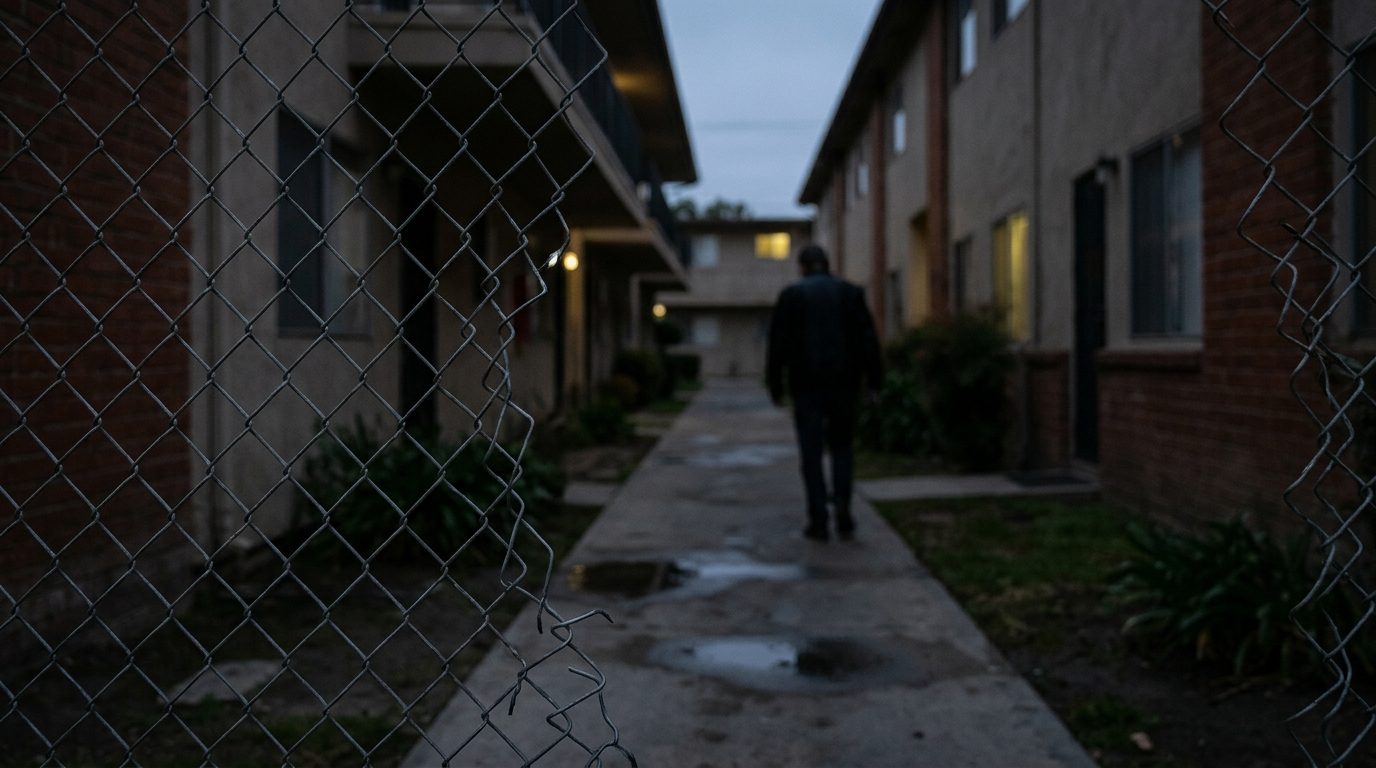
You were assaulted, robbed, or attacked on property you didn’t own. An apartment complex, parking lot, hotel, bar, gas station, or ATM. The attack left you with a spine or spinal cord injury. The property owner failed to provide reasonable security: broken locks, poor lighting, no cameras, no guards, or other negligent conditions that made the attack possible.
Here’s what matters: the property owner can be held legally and financially responsible for your spine injury—not because they committed the attack, but because they failed to prevent it. This is called a negligent security claim. It’s a path to compensation for your medical care, lost income, and the permanent changes to your life.

Not sure what your next step is?
Talk it through with our team — the first consultation is free, confidential, and carries no obligation.
If You Were Attacked and Injured on Someone Else’s Property, the Owner May Be Liable
A property owner has a legal duty to protect visitors and tenants from foreseeable harm. This includes violent crime. If you were assaulted on their property because of inadequate security, they may be accountable for your injuries and losses.
Here’s the key: you don’t need the attacker to be caught or prosecuted to hold the property owner liable. The negligent security claim is against the owner for creating or allowing dangerous conditions that enabled the attack.
If the owner knew (or should have known) that the property was in a high-crime area, had a history of assaults or robberies, or had obvious security gaps, they may be liable for your injuries.
What Is a Negligent Security Claim?
A negligent security claim holds a property owner accountable when they fail to provide reasonable security. That failure allows a criminal to injure you. Property owners have a legal duty to maintain safe premises for visitors and tenants.
The claim rests on four key elements:
- Duty of care: The owner owed you a duty to maintain reasonably safe premises. You were lawfully on their property.
- Breach: The owner breached that duty by failing to provide reasonable security.
- Causation: The inadequate security was a substantial factor in enabling the attack.
- Damages: You suffered a serious, permanent injury and financial losses as a result.
If the owner knew (or should have known) about prior crimes on the property or the high-crime nature of the area, that strengthens your claim significantly.
Who Can Be Held Accountable?
Property owners and managers across many settings can be liable for negligent security:
- Apartment complex owners and management companies
- Parking lot and parking garage operators
- Hotel and motel owners
- Bar and nightclub owners
- Gas station and convenience store owners
- Shopping center and retail property owners
- ATM operators and the banks or companies that own them
- Any property owner or manager who failed to install or maintain reasonable security
What Counts as Inadequate Security?
Courts and juries look at whether the property owner provided the security measures a reasonable owner would have provided. Inadequate security includes:
- Broken, missing, or non-functional locks on doors and gates
- Poor or absent lighting in parking areas, hallways, or common spaces
- No security cameras or non-functioning cameras
- Lack of security guards or patrols in high-crime areas
- Failure to respond to prior complaints about crime or safety
- Failure to warn tenants or visitors of known dangers
- Overgrown landscaping that provides cover for criminals
- Lack of controlled access to the property
- A documented history of crime on the property that the owner ignored
Spine Injuries From Assault: Why They Matter in Your Claim
A spine or spinal cord injury from an assault is catastrophic. It often means permanent paralysis, loss of function, chronic pain, and a lifetime of medical care.
Paraplegia (paralysis from the waist down) or quadriplegia (paralysis from the neck down) can result from a single violent blow or fall during an attack. According to the Christopher & Dana Reeve Foundation, approximately 1 in 50 people in the United States lives with paralysis.
These injuries are not minor. They require emergency surgery, intensive rehabilitation, adaptive equipment, home modifications, and ongoing medical management.
The severity of your spinal cord injury strengthens your negligent security claim. It demonstrates the real, permanent harm caused by the owner’s failure to provide security. Compensation in these cases reflects the catastrophic nature of the injury and the lifetime costs of care.
Have questions about what happened?
Ask our team directly. The first conversation is free, confidential, and there is no obligation to continue.
What Does a Negligent Security Claim Cover?
When you win a negligent security case or reach a settlement, compensation typically covers:
- Medical expenses: emergency care, surgery, hospitalization, rehabilitation, therapy, and ongoing treatment
- Adaptive equipment and home modifications: wheelchairs, ramps, accessible bathrooms, specialized beds, and other equipment needed for daily life
- Lost wages and lost earning capacity: income you lost during recovery and income you can no longer earn due to permanent disability
- Pain and suffering: compensation for the physical pain, emotional trauma, and loss of quality of life
- Permanent disability: the long-term impact of paralysis or loss of function on your ability to work and live independently
- Caregiver costs: the cost of in-home care, nursing, or personal assistance you now require
- Punitive damages: in some cases, if the owner’s conduct was particularly reckless or negligent
How a Negligent Security Claim Works: Step-by-Step
Step 1: Investigation. We gather evidence about the attack, the property’s security (or lack of it), the owner’s knowledge of prior crimes, and whether the attack was foreseeable. This includes police reports, incident histories, and property records.
Step 2: Documentation. We obtain medical records, security footage (if available), witness statements, photos of the property, and any communications with the owner or their insurance company.
Step 3: Expert analysis. We work with security experts to establish what reasonable security measures should have been in place. Medical experts document the severity and permanence of your spine injury.
Step 4: Demand and negotiation. We present a detailed claim to the property owner’s insurance company. We back it with evidence of liability and the full scope of your damages.
Step 5: Settlement or litigation. If the insurance company offers fair compensation, we negotiate a settlement. If not, we file a lawsuit and take the case to trial.
Step 6: Resolution. Whether through settlement or verdict, we work to recover the maximum compensation for your injuries and losses.
Proving Negligent Security: What We Need to Show
To win a negligent security claim, we must prove:
- The property owner owed you a duty of care. You were lawfully on their property.
- The owner breached that duty by failing to provide reasonable security.
- The inadequate security was a substantial factor in enabling the attack.
- You suffered a serious, permanent injury as a result of the attack.
- You have damages—medical bills, lost income, pain and suffering, and other losses.
Security experts can testify about what reasonable security measures should have been in place. Prior crime reports, police data, and incident histories can show the owner knew (or should have known) of the danger.
Florida Statutes §768.81 (comparative fault) means that even if you were partially at fault, you can still recover damages. You must not be more than 50% responsible.
Why This Firm Handles These Cases Differently
Our practice focuses exclusively on catastrophic injuries—spine and spinal cord injuries, paralysis, traumatic brain injuries, amputations, and severe burns—not minor or routine claims. This depth of focus means we understand the medical, financial, and emotional reality of living with a spine injury.
Our attorneys are licensed in Florida and handle cases nationwide. We work with medical specialists, rehabilitation experts, and security professionals to build a comprehensive case.
We have the resources and experience to take cases to trial if the insurance company refuses fair compensation. We handle all costs upfront—you pay no attorney’s fee unless we recover compensation for you. Clients may still be responsible for certain case costs, which we explain upfront.
Want to know where you stand?
Tell us what happened and our team will walk you through the options available to you, at no cost.
Common Questions About Negligent Security and Spine Injury Claims
Q: Can I sue the property owner even if I don’t know who attacked me?
Yes. The claim is against the owner for failing to provide security, not against the attacker. We can proceed even if the attacker was never caught or identified.
Q: How long do I have to file a claim?
Florida law generally allows two years from the date of injury under Fla. Stat. §95.11. Time limits vary by state and circumstance. Contact us immediately—waiting reduces your options.
Q: What if I was partially at fault for being in the wrong place at the wrong time?
Florida uses comparative negligence (Fla. Stat. § 768.81(6)). Even if you were partially at fault, you may still recover damages. Your recovery is reduced by your percentage of fault, as long as you are not more than 50% responsible.
Q: Will this case go to trial?
Many cases settle before trial, but we are prepared to litigate. The property owner’s insurance company knows whether we will fight, and that affects settlement negotiations.
Q: How much is my case worth?
Spine injury cases vary widely based on the severity of your injury, your age, your income, your medical needs, and the strength of the liability evidence. We provide a detailed estimate after reviewing your case.
Q: How long does the process take?
Most cases take 1–3 years from investigation through settlement or trial. Complexity and the insurance company’s willingness to negotiate affect the timeline.

What to Do Now
Preserve evidence. Keep all medical records, police reports, photos of the property and your injuries, and any communications with the property owner or their insurance company.
Document your losses. Track all medical expenses, lost wages, and the ongoing impact of your injury on your daily life.
Do not sign anything or speak to the property owner’s insurance company without legal counsel. Insurance adjusters are trained to minimize payouts.
Contact us for a free case evaluation. We will review your situation, explain your options, and answer your questions—with no obligation.
If you were assaulted or attacked on someone else’s property and left with a spine or spinal cord injury, the owner may be legally responsible. People in your situation can contact us for a free case evaluation. Get your free case evaluation today.
Time Matters
Florida law sets a deadline for filing negligent security claims. Evidence can fade and memories can blur as time passes. Contact us promptly to discuss your situation and protect your rights.
What a Negligent Security Claim Covers
Failure to Prevent the Attack
Property owners have a duty to maintain reasonable security—working locks, adequate lighting, cameras, or security personnel—to protect visitors from foreseeable harm. If an attack occurred because security was inadequate, the owner may be held responsible.
Your Spine Injury and Damages
A negligent security claim can address medical expenses, ongoing rehabilitation, lost income, and other losses resulting from your injury. An attorney can evaluate what damages may be pursued in your case.
You Don't Need to Identify the Attacker
The claim is against the property owner for negligent security, not against the person who attacked you. You can proceed even if the attacker was never caught or identified.
Where These Claims Arise
Negligent security claims commonly involve assaults, shootings, robberies, or sexual assaults at apartment complexes, parking lots and garages, hotels, bars, gas stations, stores, and other commercial properties.
Why Choose CHG Personal Injury Lawyers
Focused on Catastrophic Injury
We focus exclusively on severe, life-altering injuries—including spinal cord damage, paralysis, and traumatic brain injury. We understand the profound impact these injuries have on your life and future.
Florida-Based, National Reach
Licensed to practice in Florida and handling cases nationwide, we bring local knowledge and broad experience to your claim.
Plain-Language Guidance
We explain your legal options clearly, without jargon. You'll understand what happened, what we can pursue, and what to expect next.
No Upfront Fees
We work on contingency: no attorney’s fees unless there is a recovery. You focus on healing while we handle the legal work.
What to Do Now
Preserve Evidence
Keep medical records, photos of the scene, security footage (if available), police reports, and any witness contact information. Document your injuries and recovery.
Seek Medical Care
A spine injury requires immediate and ongoing medical attention. Your medical records will be crucial to your claim and your recovery.
Report to Police
File a police report if you haven't already. The report creates an official record and may help identify patterns of security failures at the property.
Contact an Attorney
Reach out to CHG Personal Injury Lawyers for a free case evaluation. We'll review what happened, explain your options, and discuss next steps.