

Negligent Security | Back & Neck Injury
Attacked on Unsafe Property? You May Have a Claim
If you were assaulted, shot, or attacked on someone else's property and suffered a catastrophic back or neck injury, the property owner may be liable for failing to provide reasonable security.
By CHG Lawyers · Published August 22, 2026
Attacked on Someone Else’s Property? Your Back or Neck Injury May Be a Negligent-Security Claim
You were attacked on someone else’s property—an apartment complex, a parking lot, a hotel, a bar, or another location where you had every right to feel safe. Now you’re dealing with back or neck pain, medical bills, and a question that won’t leave your mind: Is the property owner responsible for what happened to me?
The answer is: it depends. But the fact that you were attacked doesn’t automatically mean you have no recourse. Property owners have a legal duty to protect visitors from foreseeable harm, including violent crime. If they failed to provide reasonable security, they may be liable for your injuries.
This page explains how that works, what evidence matters, and what your options are.

Not sure what your next step is?
Talk it through with our team — the first consultation is free, confidential, and carries no obligation.
You Were Attacked on Someone Else’s Property—and You’re Hurt
Being attacked is traumatic. Your body and mind are processing fear, shock, and pain all at once. Then comes the physical injury: a back that won’t stop hurting, a neck that’s stiff and painful, maybe imaging that shows fractures or disc damage. You’re managing medical appointments, treatment, and recovery—while also wondering whether anyone else bears responsibility for what happened to you.
This happens at:
- Apartment complexes and residential buildings – in hallways, lobbies, parking areas, or grounds
- Parking lots and parking garages – often poorly lit and monitored
- Hotels and motels – in hallways, elevators, parking areas, or grounds
- Bars and nightclubs – where alcohol and crowds can escalate to violence
- Gas stations and convenience stores – often targets for robbery and assault
- Shopping centers and stores – in parking areas or on premises
- ATMs and bank entrances – isolated locations that attract criminals
- Other public or semi-public spaces – where the owner controls access and security
If you’re in this situation, you’re probably asking yourself:
- Was this my fault?
- Can I do anything about it?
- Who is actually responsible—the attacker, the property owner, or me?
Those are the right questions. And you’re not alone in asking them.
How Back and Neck Injuries Happen in Violent Attacks
Back and neck injuries from violent attacks occur in many ways. You might be:
- Thrown or pushed to the ground with force
- Struck directly in the back or neck
- Tackled or pinned down
- Falling during a struggle and landing on your back or neck
- Hit with an object
The injury can be severe and life-altering. Common back and neck injuries from violent crime include:
- Fractures of the vertebrae (bones of the spine)
- Disc herniation – rupture or bulging of discs between vertebrae
- Spinal cord damage – potentially causing partial or complete paralysis
- Nerve damage – causing chronic pain, numbness, or weakness
- Chronic pain and loss of mobility – limiting your ability to work, exercise, or enjoy daily life
One critical point: the injury may not be immediately obvious. You might feel sore and assume it will pass. Hours or days later, pain worsens, swelling increases, or numbness develops. That’s why medical evaluation is essential—and why documenting your injury early matters for any claim you might pursue.
The severity of your injury is separate from the question of who is legally responsible. Even if your injury is severe, you need to understand whether the property owner failed in their duty to protect you.
The Property Owner’s Duty to Protect You
Here’s a fundamental principle of Florida law: property owners have a responsibility to keep their premises reasonably safe and to protect visitors from foreseeable harm—including violent crime.
This doesn’t mean owners are insurers against all crime. It means they can’t ignore obvious risks or fail to take basic precautions.
What “reasonable security” looks like:
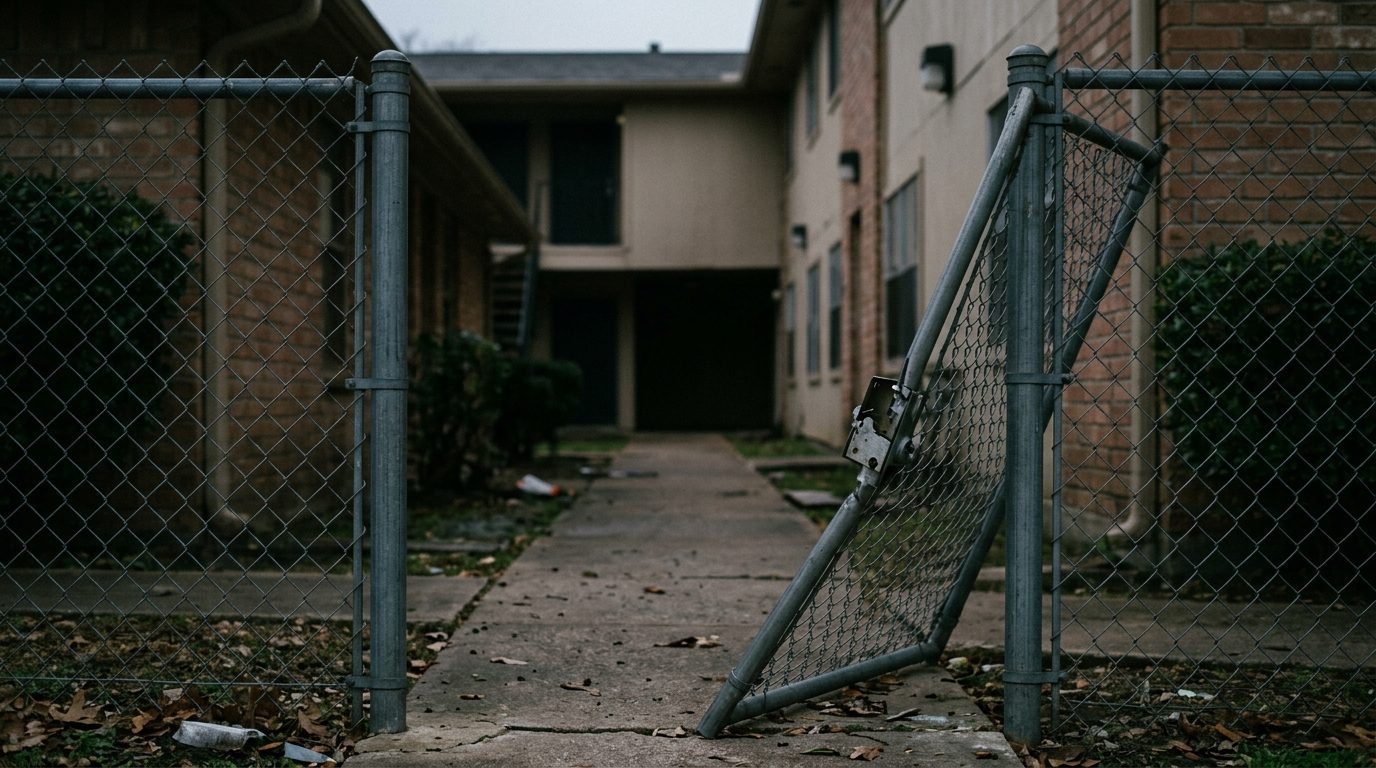
- Working locks and gates – functioning entry controls that prevent unauthorized access
- Adequate lighting – well-lit parking areas, walkways, and common spaces to deter criminals and allow visibility
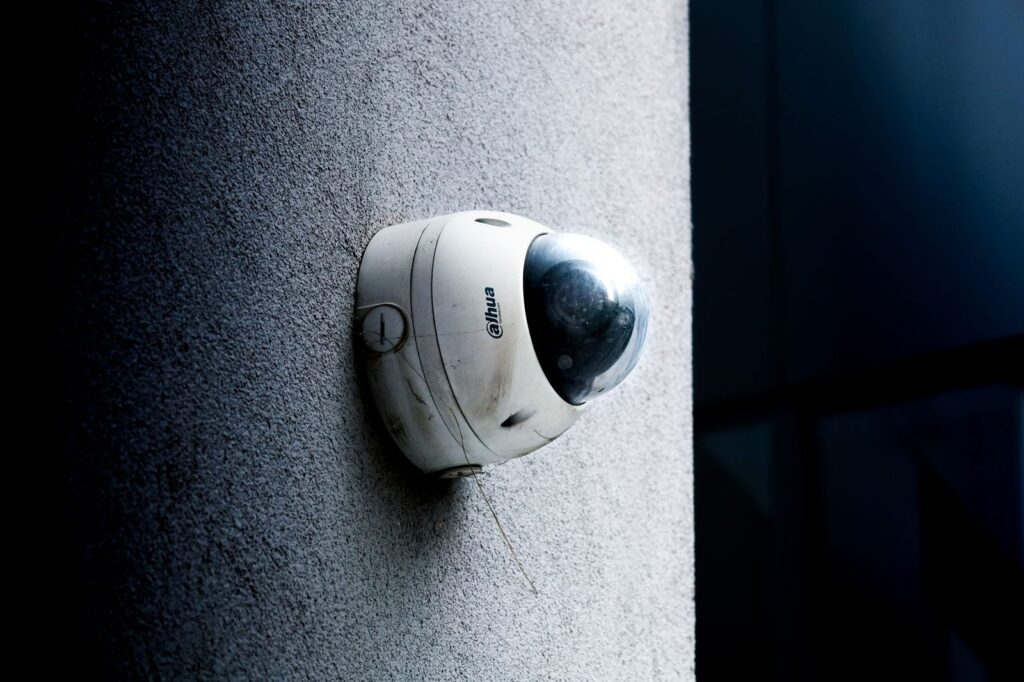
- Security cameras – visible or hidden systems that record activity and deter crime
- Trained security personnel – staff or guards trained to respond to threats and assist guests
- Emergency communication systems – phones, intercoms, or panic buttons so visitors can call for help
- Visible deterrents – signs indicating security presence, fencing, or other measures that discourage criminal activity
Real-world examples of inadequate security:
- An apartment complex with broken gate locks, no lighting in parking areas, and a documented history of robberies and assaults—but no security improvements made by management
- A parking garage with no cameras, no security presence, and multiple prior incidents of violence reported to the owner—but no upgrades installed
- A hotel with no staff training on guest safety, no emergency systems in guest hallways, and prior assaults on record—but no changes implemented
- A gas station in a high-crime area with no lighting, no cameras, and no panic button—despite the owner’s knowledge of the neighborhood’s crime rate
In each case, the owner knew (or should have known) that the location was at risk. Yet they took no meaningful action to protect visitors.
When Inadequate Security Creates a Legal Claim
If a property owner knew (or should have known) that violent crime was a foreseeable risk at their location, and they failed to provide reasonable security, they may be liable for injuries you suffered in an attack. This legal concept is called negligent security—a claim based on the owner’s failure to protect you from a foreseeable threat.
Here’s how it works in practice:
Foreseeability – The owner should have anticipated that violent crime could occur at their property. Evidence of foreseeability includes:
- Prior criminal incidents at the same location (robberies, assaults, shootings)
- Crime statistics for the surrounding neighborhood or area
- The owner’s own security policies or risk assessments
- The nature of the property (a parking garage is inherently riskier than a private office)
- Industry standards for security at similar properties
Breach of duty – The owner failed to provide reasonable security measures given the foreseeable risk.
Causation – The inadequate security contributed to the attack. For example, poor lighting allowed the attacker to approach unseen; lack of cameras meant no deterrent; no security personnel meant no one to intervene.
Your injury – You suffered back, neck, or spinal injury as a result of the attack.
Critical distinction: The attacker’s criminal conduct does not erase the property owner’s responsibility. The attacker is responsible for the crime. The owner is responsible for failing to provide reasonable protection against a foreseeable threat. Both can bear responsibility.
This is often misunderstood. Victims sometimes think, “The attacker is the one who hurt me, so the property owner isn’t responsible.” That’s not how the law works. The owner’s duty to protect you exists because violent crime is foreseeable. If they ignore that duty and you’re injured as a result, they’re liable.
Have questions about what happened?
Ask our team directly. The first conversation is free, confidential, and there is no obligation to continue.
Documenting Your Injury and the Attack
What you do in the hours and days after an attack directly affects your ability to pursue a claim. Here’s what matters:
Seek immediate medical care. Go to an emergency room or urgent care. Don’t wait to see if the pain goes away. Medical professionals will document your injuries, perform imaging (X-rays, MRI, CT scans), and create a record of your condition. This record is essential evidence.
Keep all medical records and bills. Every doctor’s note, imaging report, prescription, physical therapy session, and medical bill becomes part of your claim. Organize these documents and keep them safe.
Report the attack to police. File a police report. Obtain a copy of the report number and, when available, the full report. This creates an official record of the crime and the location.
Document the property’s security (safely). If it’s safe to do so, take photographs or notes of security deficiencies: broken locks, poor lighting, absence of cameras, lack of visible security presence, or other gaps. Do not trespass or put yourself at further risk.
Identify and preserve witness statements. If anyone saw the attack, get their contact information. Witness accounts can corroborate your version of events and establish the circumstances of the attack.
Preserve security footage. If the property has security cameras, the footage may be critical evidence. Notify the property owner (in writing, if possible) that you’re requesting preservation of all footage from the date and time of the attack. Footage can disappear if not preserved.
Document your ongoing symptoms and treatment. Keep a journal of your pain, limitations, and recovery progress. Note how the injury affects your work, daily activities, and emotional well-being.
What Damages Might You Recover?
If you pursue a negligent-security claim and it’s successful, damages can include:
Medical expenses – Emergency room care, surgery, imaging, hospitalization, rehabilitation, physical therapy, ongoing treatment, medications, and medical devices.
Lost wages – Income you lost because you couldn’t work due to your injury. This includes past lost wages and, in some cases, future lost earning capacity if the injury is permanent.
Pain and suffering – Compensation for the physical pain, discomfort, and suffering caused by your injury.
Emotional trauma – Damages for the psychological impact of being attacked, including anxiety, PTSD, depression, or fear.
Loss of enjoyment of life – Compensation for the permanent or long-term loss of activities, hobbies, and experiences you can no longer enjoy due to your injury.
Other losses – Depending on your situation, damages may also cover home care, transportation, or other costs related to your recovery and ongoing care.
This isn’t about “getting rich.” It’s about holding the property owner accountable and ensuring that the real costs of your injury—medical, financial, and emotional—are covered by the party whose negligence contributed to your harm.
We cannot promise or guarantee any specific outcome or amount. Every case is unique, and damages depend on the facts, the severity of your injury, and the strength of the evidence.
Time Limits and Why Acting Quickly Matters
Florida law sets a deadline for filing a premises-liability claim. Under Fla. Stat. §95.11, the statute of limitations for a negligent-security or premises-liability claim is typically two years from the date of the attack.
This deadline is strict. If you miss it, your claim is barred—meaning you lose the right to pursue compensation, no matter how strong your case.
Why you should act quickly:
- Evidence disappears. Security footage is often deleted after 30 to 90 days. Witness memories fade. Property conditions change. The sooner you preserve evidence, the stronger your case.
- Medical records establish causation. Early medical documentation directly links your injury to the attack and the property’s inadequate security.
- Defendant’s memory fades too. The property owner’s employees and security personnel may move on or forget details. Early depositions (recorded interviews) capture their knowledge while it’s fresh.
- Settlement negotiations begin sooner. The earlier you engage an attorney, the sooner you can begin discussions with the property owner’s insurance company.
Consulting with an attorney early—even if you’re still recovering and not ready to file immediately—protects your legal rights and preserves the evidence you’ll need.
Next Steps: Understanding Your Options
Let’s recap where you are:
You were attacked on someone else’s property. You suffered a back or neck injury that’s causing you real pain and affecting your life. The property owner may have failed to provide reasonable security—working locks, adequate lighting, cameras, or trained staff—despite knowing that violent crime was a foreseeable risk at their location.
A negligent-security claim is a legal way to hold the property owner accountable. It’s a way to recover the medical costs, lost income, pain and suffering, and emotional trauma caused by their failure to protect you.
This is not a decision you have to make alone or immediately. Many people in your exact situation—attacked on unsafe property, injured, uncertain about their options—reach out to understand what they can do next. There’s no pressure, no obligation. It’s simply a conversation to make sure you have the information you need.
If you’re ready to explore your options, we’re here to help. Contact us for a free case evaluation. We’ll listen to your story, answer your questions, and explain what a negligent-security claim might mean for you.
Want to know where you stand?
Tell us what happened and our team will walk you through the options available to you, at no cost.
FAQ
Can I sue a property owner if I was attacked on their premises?
Yes, if the owner knew (or should have known) that violent crime was foreseeable and failed to provide reasonable security, you may have a negligent-security claim against them.
What is the difference between the attacker’s responsibility and the property owner’s responsibility?
The attacker is criminally responsible for the assault. The property owner is civilly responsible for failing to provide reasonable security against a foreseeable threat—these are separate legal duties.
How do I prove that the property owner should have known about the risk?
Prior incidents at the property, crime statistics for the area, the owner’s own security policies, and industry standards for similar properties can all demonstrate foreseeability.
What counts as “reasonable security”?
Working locks and gates, adequate lighting, security cameras, trained security personnel, emergency communication systems, and visible deterrents are all examples of reasonable security measures.
How long do I have to file a claim?
Under Fla. Stat. §95.11, you typically have two years from the date of the attack to file a premises-liability claim in Florida.
What if I was partly at fault for being in the wrong place at the wrong time?
Florida’s comparative-negligence rule allows recovery even if you share some fault—as long as you’re not more than 50% at fault. Being in a public or semi-public area where you had a right to be is not negligence on your part.
What should I do right now?
Seek medical care if you haven’t already. Report the attack to police. Preserve any evidence of the property’s security deficiencies. Keep all medical records. Then contact an attorney to discuss your options.
Can I recover damages for my pain and suffering, or just medical bills?
You can recover both medical expenses and non-economic damages like pain and suffering, emotional trauma, and loss of enjoyment of life—though we cannot guarantee any specific amount.
If you were injured in an attack on someone else’s property and suffered back or neck injuries, the property owner may be liable for failing to provide reasonable security. Contact us for a free case evaluation. No obligation. No pressure. Just answers.
Know the Difference
The person who attacked you is criminally responsible for the assault. But the property owner is also legally responsible if they knew (or should have known) that violent crime was foreseeable at that location and failed to provide basic security—working locks, adequate lighting, cameras, or security personnel. That failure is called negligent security.
When Property Owners Are Liable
Apartment Complexes & Residential Buildings
Broken locks, dark hallways, missing gates, or no security presence when crime is common in the area.
Parking Lots & Garages
Poor lighting, no cameras, no attendant, or no barriers that could have prevented or deterred an attack.
Hotels, Motels & Short-Term Rentals
Inadequate front-desk security, broken door locks, no camera coverage, or failure to screen guests.
Retail, Bars, Gas Stations & ATMs
Insufficient lighting, no security staff, broken alarms, or no measures to protect customers from foreseeable crime.
Why Back & Neck Injuries from Attacks Matter
Permanent Life Changes
A catastrophic back or neck injury can mean chronic pain, limited mobility, or paralysis—affecting work, family, and independence for the rest of your life.
Significant Costs
Medical care, rehabilitation, assistive devices, home modifications, and ongoing treatment add up quickly. A negligent-security claim can help recover those expenses.
You Didn't Cause This
The property owner had a duty to keep you safe. When they failed and you were hurt, holding them accountable is both fair and necessary.
What You Need to Know About Your Claim
Foreseeability Is Key
The owner must have known (or reasonably should have known) that violent crime was likely at that location. Prior incidents, crime statistics for the area, or complaints about security all matter.
Reasonable Security Matters
The owner doesn't need to prevent every possible crime—but they must take reasonable steps. That means working locks, adequate lighting, cameras, or security staff appropriate to the location and risk.
Your Injury Is the Damage
That injury is what your claim is built on.
Time Matters
There are legal deadlines for filing a claim. The sooner you act, the sooner we can investigate, gather evidence, and protect your rights.
How CHG Personal Injury Lawyers Can Help
Focused on Catastrophic Injury
We focus exclusively on serious, life-altering injuries—including catastrophic back and neck injuries from violent crime on unsafe property. We understand the full scope of your damages.
Thorough Investigation
We gather police reports, crime statistics, prior incident reports, security footage, witness statements, and expert analysis to build a strong case against the property owner.
Clear Communication
We explain the law in plain language, keep you informed every step of the way, and answer your questions honestly.
No Attorney’s Fees Unless There Is a Recovery
We work on contingency—you pay nothing upfront, and we only collect a fee if we recover compensation for you.