


Catastrophic Injury
Neurological Injuries After Car Accidents
Brain and spinal cord damage can change your life forever. You deserve answers and support.
By CHG Lawyers · Published October 05, 2026
Neurological Injuries After Car Accidents: What You Need to Know
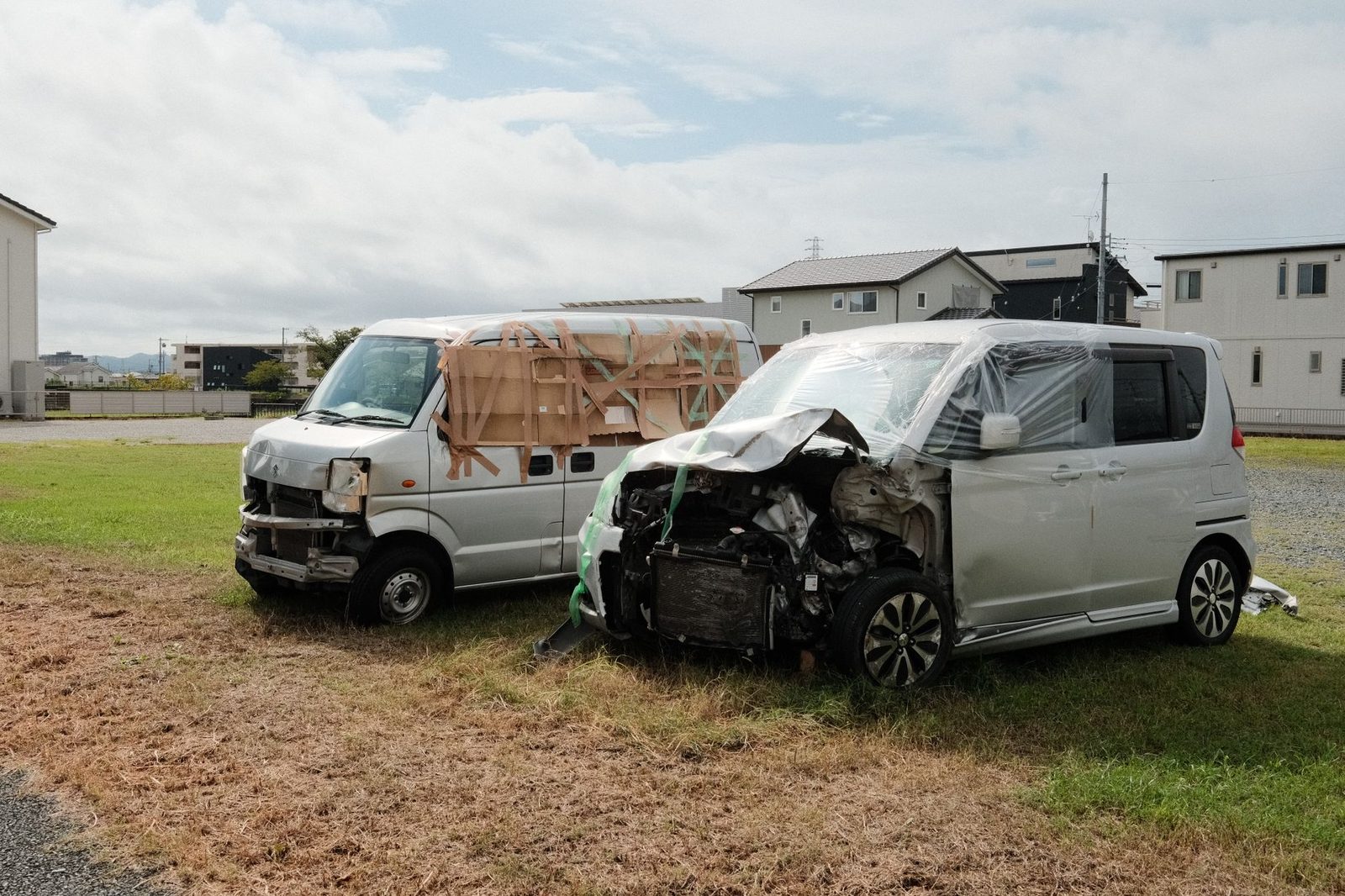
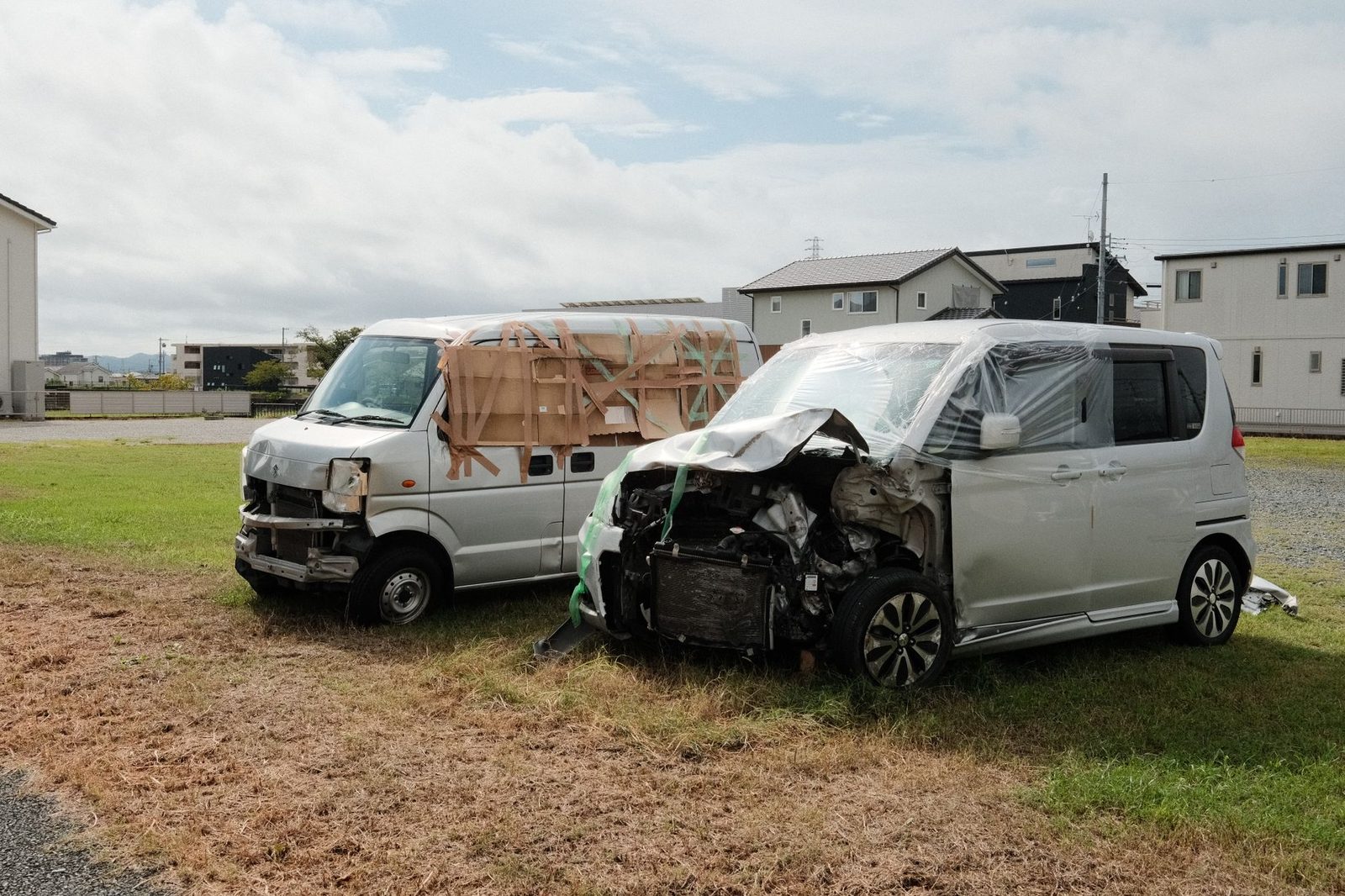
A sudden car crash can injure your brain and nervous system in ways you might not notice right away. The impact can shake your brain inside your skull, damage your spinal cord, or hurt the nerves that control feeling and movement.
These injuries range from mild concussions to severe, life-altering conditions. Symptoms may start immediately or appear over days, weeks, or months. Understanding what happened to your body is the first step toward recovery and protecting your rights.
If you or a loved one suffered a neurological injury in a car accident, the sooner you reach out, the sooner we can investigate and protect your claim. Talk it through with our team — the first consultation is free, confidential, and carries no obligation.
Traumatic Brain Injury (TBI): The Most Common Neurological Injury
When your brain is jolted or struck during a car crash, it can cause a traumatic brain injury (TBI). How serious it is depends on the force of impact and where the injury occurs.
Mild TBI (concussion) may involve brief loss of consciousness, confusion, headache, dizziness, or sensitivity to light or sound. You might feel “fine” right after the accident, then develop symptoms hours or days later.
Moderate to severe TBI can cause prolonged unconsciousness, persistent headaches, and cognitive problems (trouble thinking clearly). You may experience memory loss, mood changes, and difficulty concentrating. Even “mild” brain injuries can have lasting effects on your ability to work, maintain relationships, and handle daily tasks.
Symptoms may worsen over time or emerge after an initial period of seeming recovery. This is why medical evaluation is crucial even after a minor-seeming accident.
Post-Concussion Syndrome: When Symptoms Don’t Go Away
Some people experience ongoing symptoms weeks or months after a concussion. This condition is called post-concussion syndrome.
Symptoms include: – Headaches – Dizziness – Fatigue – Difficulty concentrating – Memory problems – Irritability – Sleep disturbances
These effects can interfere with returning to work or school. Recovery timelines vary widely. Some people recover fully within weeks; others experience long-term effects that reshape their daily lives.
Spinal Cord Injury and Nerve Damage
High-impact car accidents can injure the spinal cord, causing partial or complete paralysis. According to the National Spinal Cord Injury Statistical Center, vehicle crashes are a leading cause of traumatic spinal cord injury in the United States.
Nerve damage may result in: – Loss of sensation – Weakness – Chronic pain – Permanent loss of function in your legs or arms
These injuries often require immediate medical intervention, surgery, and long-term rehabilitation. Spinal cord injuries are among the most life-altering outcomes of serious car crashes, with estimated lifetime costs ranging from $2.1 million to $6.4 million depending on severity.
Other Neurological Conditions After Car Accidents
Car crashes can cause several other neurological problems beyond TBI and spinal cord injury.
Whiplash-associated disorder occurs when your neck is suddenly jerked back and forth. It can cause headaches, neck pain, and cognitive symptoms that persist for months.
Encephalopathy refers to brain swelling or dysfunction that can develop after trauma. Symptoms may include confusion, difficulty speaking, mood changes, or cognitive decline.
Peripheral nerve injuries damage nerves in your arms, legs, or other areas. This causes pain, numbness, weakness, or loss of function.
Seizure disorders can develop following a head injury, even if the initial injury seemed minor. Seizures may begin weeks or months after the accident.
Symptoms You Should Never Ignore
Immediate symptoms that require emergency care include: – Loss of consciousness – Severe headache – Confusion – Difficulty speaking – Weakness or numbness in your limbs
Delayed symptoms—appearing hours to weeks after the accident—include: – Persistent headache – Memory problems – Difficulty concentrating – Mood changes – Sleep problems – Sensitivity to light or noise
Physical symptoms may include dizziness, balance problems, nausea, or vision changes.
Cognitive or emotional changes such as anxiety, depression, irritability, or personality changes are real neurological effects, not weakness or overreaction.
Any of these warrants a medical evaluation, even if the accident seemed minor or you initially felt okay. Don’t wait for symptoms to “go away on their own.”
Not sure what your next step is?
Talk it through with our team — the first consultation is free, confidential, and carries no obligation.
When to See a Neurologist After a Car Accident
Seek immediate emergency care if you lose consciousness, have a severe headache, or cannot move. Call 911 or go to the nearest emergency room.
For ongoing or delayed symptoms, schedule an appointment with a neurologist if you experience persistent headaches, dizziness, memory problems, concentration difficulties, or other neurological changes after a crash.
Early diagnosis and treatment improve outcomes. Document all symptoms and when they started—this information is vital for both your medical care and any legal claim.
Is It Normal to Feel Depressed After a Car Accident?
Yes. Depression, anxiety, and post-traumatic stress disorder (PTSD) are common after traumatic accidents. These emotional and psychological effects are real injuries, not weakness or overreaction.
Trauma can be compounded by physical pain, loss of independence, financial stress from medical bills, or fear of driving. Mental health support is part of recovery and should be included in your treatment plan alongside physical rehabilitation.
How Neurological Injuries Affect Your Life
Brain injuries may make it hard to return to work or manage complex tasks. Chronic pain and fatigue can limit daily activities and strain relationships.
Medical treatment, rehabilitation, and ongoing care can be expensive. Lost wages, reduced earning capacity, and lifestyle changes add to the burden. Understanding the full scope of your injury helps you plan for recovery and seek appropriate compensation for both medical costs and the impact on your life.
What to Do If You Suspect a Neurological Injury
- Seek medical evaluation as soon as possible, even if symptoms seem minor.
- Describe all symptoms to your doctor, including when they started and how they’ve changed.
- Keep records of all medical visits, test results, imaging, and treatment.
- Report the accident to the at-fault driver’s insurance company.
- Consider consulting with a personal injury attorney to understand your rights and options for compensation.
In Florida, personal injury lawsuits are subject to a filing deadline, and the time you have to act is limited. Contact our firm promptly so an attorney can review the deadline that applies to your situation. Don’t let time pass without understanding your options.
Have questions about what happened?
Ask our team directly. The first conversation is free, confidential, and there is no obligation to continue.
Frequently Asked Questions
Can a car accident cause permanent neurological damage?
Yes. Severe traumatic brain injuries, spinal cord injuries, and nerve damage can cause permanent changes to cognition, sensation, movement, or emotional function. Recovery depends on the severity of the injury and the quality of medical care.
How long does post-concussion syndrome last?
Recovery varies. Most people recover within weeks, but some experience symptoms for months or longer. Early medical attention and avoiding re-injury improve outcomes.
What should I tell my doctor after a car accident?
Describe all symptoms, even minor ones. Mention headaches, dizziness, memory problems, mood changes, sleep issues, and any physical weakness or numbness. Tell your doctor exactly when symptoms started and how they’ve changed.
Can I recover damages for a neurological injury from a car accident?
If another driver was negligent and caused your injury, you may have a claim for medical expenses, lost wages, rehabilitation costs, and compensation for pain and suffering. Florida’s comparative fault rule allows recovery if you’re 50% or less at fault, though your damages are reduced by your share of fault.
If you’re experiencing unexplained headaches, memory problems, difficulty concentrating, or physical weakness weeks after a car crash, you may have a neurological injury that deserves both medical attention and legal answers.
Whether your symptoms appeared immediately or developed gradually, understanding what happened to your body and what you may be entitled to recover matters. If another driver’s negligence caused your accident, you may have a claim.
Contact us to discuss your situation and learn what your next steps might be.
Why CHG Personal Injury Lawyers
Focused on Catastrophic Injury
We focus exclusively on severe and permanent injuries—including traumatic brain injuries, spinal cord damage, and paralysis—that reshape a person's life and future.
Florida Bar–Admitted Attorneys
Our team is licensed to practice in Florida and handles catastrophic injury claims across the country.
Empathetic, Plain-Language Guidance
We explain your rights and options in clear terms, without legal jargon, so you understand what comes next.
No Attorney’s Fees Unless There Is a Recovery
We work on contingency. You pay nothing upfront, and we only collect a fee if we recover compensation for you.
Time Matters
If you or a loved one suffered a neurological injury in a car accident, the sooner you reach out, the sooner we can investigate and protect your claim.
Common Questions About Neurological Injuries
Can a car accident cause permanent neurological damage?
Yes. Severe traumatic brain injuries, spinal cord injuries, and nerve damage can cause lasting changes to cognition, sensation, movement, or emotional function. Recovery depends on injury severity and the quality of medical care.
How long does post-concussion syndrome last?
Recovery varies widely. Some people recover in weeks; others experience symptoms for months or years. Persistent headaches, memory problems, dizziness, and mood changes are common. Proper medical evaluation and rest are essential.
What is a traumatic brain injury (TBI)?
A TBI occurs when a blow or jolt to the head damages brain tissue. Symptoms range from mild (concussion) to severe (loss of consciousness, permanent cognitive or physical impairment). Even 'mild' TBIs can have serious long-term effects.
Can I recover compensation for a neurological injury?
If another driver's negligence caused your injury, you may have a claim for medical costs, lost income, pain and suffering, and long-term care needs. We investigate the accident and fight for fair compensation on your behalf.