


Traumatic Brain Injuries
How Long Can a Concussion Last After a Car Accident?
Understanding recovery timelines, post-concussion syndrome, and when to seek legal help.
By CHG Lawyers · Published October 07, 2026
How Long Can a Concussion Last After a Car Accident? Recovery Timeline and What to Expect
Most car accident concussions heal within 7–14 days for adults. Some people feel better in just a few days. Others need 3–4 weeks. Recovery isn’t always smooth—symptoms may improve, then get worse with activity. A small number of people develop post-concussion syndrome, where symptoms last for weeks or months. Understanding what to expect helps you know if your recovery is on track and when to seek medical care or legal help.
If you're weeks into recovery from a car accident concussion and symptoms aren't improving, or if you've missed work and face mounting medical bills, you may have a claim against the at-fault driver—reach out to discuss what happened. Talk it through with our team — the first consultation is free, confidential, and carries no obligation.
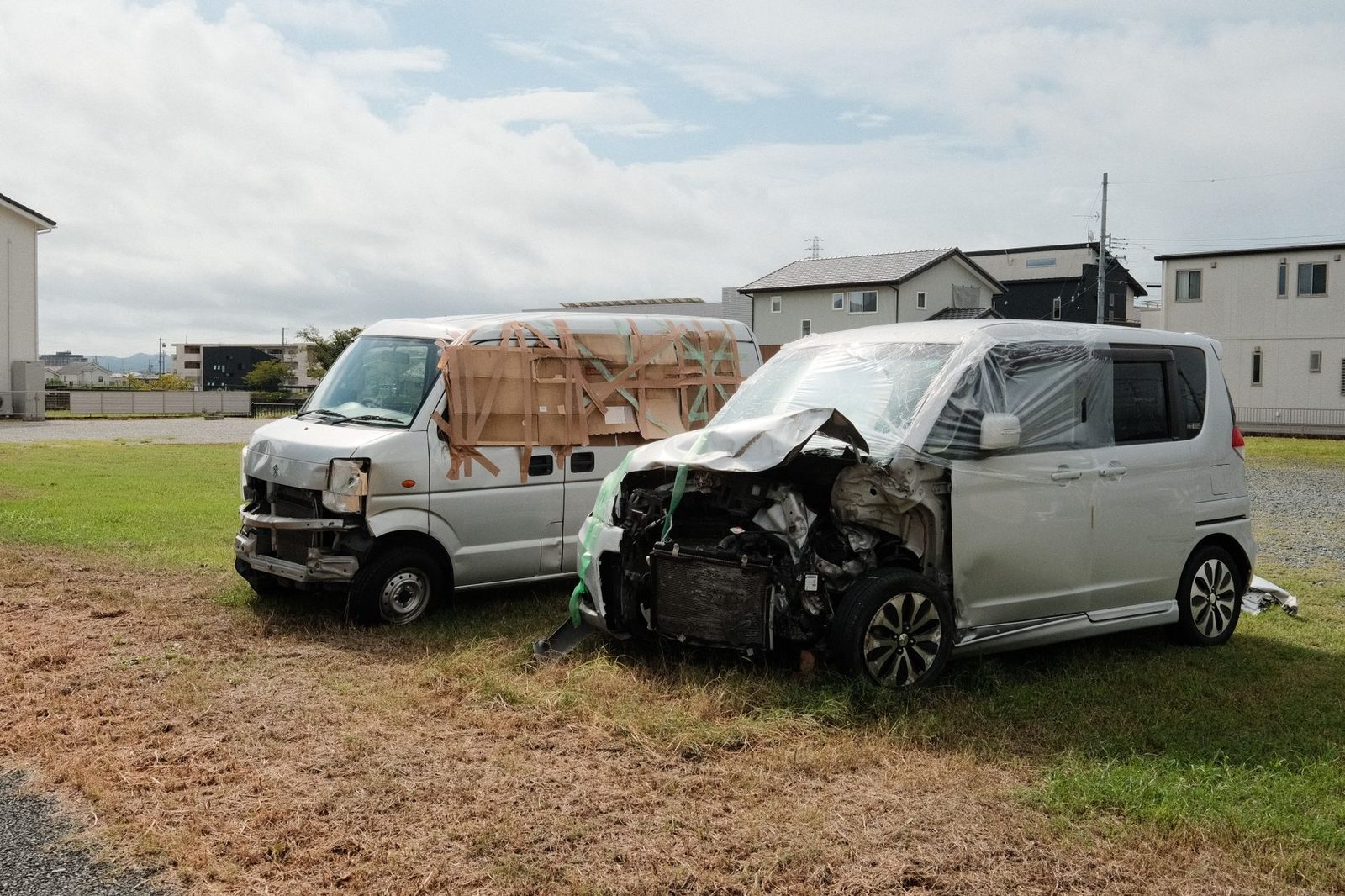
What Is a Concussion and How Does a Car Accident Cause One?
A concussion is a type of traumatic brain injury caused by a blow to the head or violent shaking that changes how your brain works. Many people think concussions only happen in high-speed crashes. That’s not true. Even a low-impact collision can cause one.
Here’s why: your brain moves inside your skull during sudden stops. When a car stops abruptly, your head may hit the steering wheel, dashboard, or window. Or the violent back-and-forth motion of whiplash can shake your brain hard enough to injure it.
The impact doesn’t have to be severe. What matters is the force and the movement. Your brain is soft tissue floating in fluid inside a hard skull. That fluid can’t always cushion the blow fast enough. The result is a concussion—a real brain injury, not just a bump on the head.
How Long Can a Concussion Last?
Recovery time varies widely. Here’s what research shows:
Most adults recover in 7–14 days. Some feel better in a few days. Others take 3–4 weeks. Children and teens typically recover more slowly than adults—often 2–4 weeks or longer.
Recovery is not linear. You might feel better on day 3, then have a bad day on day 5 after returning to work or exercise. This is normal. Your brain is healing, and pushing too hard too fast can slow that healing down.
Age, past concussions, and overall health matter. If you’ve had concussions before, you may take longer to recover. Older adults and people with existing medical conditions also tend to recover more slowly. Women and girls recover more slowly than men and boys on average.
Rest is the foundation of recovery. Your brain needs time and reduced mental and physical stress to heal. Your doctor will guide you through a gradual return to activity. Don’t rush this.
How Do You Know If You Got a Concussion After a Car Accident?
Concussion symptoms can appear right away or develop over hours or days. Don’t assume you’re fine just because you feel okay right after the crash.
Immediate symptoms include: – Headache (often severe) – Dizziness or vertigo – Confusion or feeling “foggy” – Memory problems or trouble concentrating – Nausea or vomiting – Sensitivity to light and noise – Balance problems or clumsiness
You may lose consciousness, but many concussions happen without it. If you hit your head during the crash, get medical evaluation even if you feel fine. The CDC recommends that anyone with a suspected head injury see a healthcare provider.
What Are Three Delayed Symptoms of a Concussion?
Symptoms that appear days or weeks after the crash are common. They don’t mean your injury is worse—they’re part of normal healing.
Delayed symptoms include:
-
Worsening headaches. A mild headache on day 1 may become more severe by day 3 or 4 as brain inflammation peaks.
-
Memory and concentration problems. You might struggle to focus at work, forget conversations, or have trouble learning new information. These often emerge a week or more after the injury.
-
Mood changes. Irritability, anxiety, depression, or emotional sensitivity can appear days or weeks later. Your brain is recovering, and mood regulation takes time.
These delayed symptoms are real and valid. They’re not signs that you’re getting worse. They’re signs that your brain is still healing. Tell your doctor if they develop or worsen.
Does Your Brain Fully Heal After a Concussion?
Most people recover completely with proper rest and care. Full recovery means returning to normal function without ongoing symptoms—no headaches, memory problems, or mood changes.
Here’s what matters for healing:
- Rest in the first few days reduces symptoms and speeds recovery.
- Gradual return to activity prevents setbacks. Your doctor will guide you through this.
- Avoiding another head injury is critical. A second concussion before full recovery can be serious.
- Following medical guidance on sleep, screen time, and physical activity helps your brain heal.
If symptoms persist beyond 4 weeks, tell your doctor. This may indicate post-concussion syndrome, which requires specialist care and a longer recovery plan.
Not sure what your next step is?
Talk it through with our team — the first consultation is free, confidential, and carries no obligation.
What Are the 5 Stages of Concussion Recovery?
Most doctors use a gradual return-to-activity plan. Each stage builds on the last. You move forward only when you’re symptom-free at that level.
Stage 1 (Days 1–3): Rest and Symptom Management Stay home. Rest in a quiet, dark room. Avoid screens. Your goal is to let symptoms settle.
Stage 2 (Days 3–7): Light Activity Light walking or stretching, as tolerated. No intense exercise or heavy mental work. You might return to light desk work if symptoms don’t worsen.
Stage 3 (Week 2): Moderate Activity Return to school or work part-time if symptoms allow. Light exercise like walking or easy cycling. Avoid contact sports or high-impact activity.
Stage 4 (Weeks 2–3): Sport-Specific or Job-Specific Activity If you play sports, you might do non-contact drills. If you work a physical job, you might return to modified duties. Only with your doctor’s clearance.
Stage 5 (Week 3+): Full Return to Normal Activity Resume all activities, work, sports, and school—but only when you’re symptom-free at all previous stages.
Each person’s timeline is different. Don’t rush. Returning to activity too quickly can cause symptoms to return and delay healing by weeks.
Post-Concussion Syndrome: When Recovery Takes Longer
A minority of people with concussions develop post-concussion syndrome (PCS). These are concussion symptoms that persist beyond 4 weeks.
PCS symptoms include: – Persistent headaches or migraines – Memory and concentration problems – Fatigue that doesn’t improve with rest – Sensitivity to light and noise – Mood changes: irritability, anxiety, or depression – Sleep disturbances – Balance problems
Risk factors for PCS include: – Multiple prior concussions – Female sex (women are at higher risk) – Older age – Pre-existing anxiety, depression, or other medical conditions – Severe initial symptoms
Treatment for PCS may include continued rest, physical therapy, cognitive rehabilitation (therapy to improve memory and concentration), and specialist medical care. A neurologist or neuropsychologist can help diagnose and treat PCS.
Post-concussion syndrome is real, treatable, and not your fault. If symptoms persist beyond 4 weeks, seek specialist care.
Complications That Can Arise After a Concussion
While most people recover without long-term problems, some develop complications that require ongoing care.
Second-impact syndrome is rare but serious. If you suffer another head injury before fully recovering from the first concussion, the second impact can cause rapid, severe swelling of the brain. This is why doctors emphasize avoiding any head injury during recovery.
Other complications include: – Increased risk of future concussions (your brain may be more vulnerable for a time) – Chronic headaches or migraines that develop after the concussion – Sleep disturbances that persist – Difficulty concentrating or learning, affecting school or work – Emotional or behavioral changes: mood swings, anxiety, or depression
Some complications require ongoing medical care and may affect your ability to work or study. This is why documenting your symptoms and medical visits is important. It shows the real impact of your injury.
When to Get Medical Attention After a Car Accident
Seek immediate emergency care if: – You lose consciousness, even briefly – You have a severe headache – You vomit – You have slurred speech or difficulty walking – You have seizures – You have clear fluid from your nose or ears
Get evaluated as soon as possible if: – You hit your head during the crash – You feel confused, dizzy, or “foggy” – You have a headache, nausea, or memory problems – You’re not sure whether you hit your head
Tell the doctor about any head impact, no matter how minor it seemed. Imaging (CT or MRI scan) may be needed to rule out bleeding or fracture. Even if imaging is normal, you can still have a concussion.
Follow up with your doctor after the initial visit. Recovery takes time, and your doctor needs to track your progress and catch complications early. Keep records of all medical visits, symptoms, and how the injury affects your daily life, work, and school.
Insurance Companies Tend to Minimize Concussions
Concussions are “invisible injuries.” There’s no broken bone, no visible wound, no scar. This makes them easy for insurance companies to dismiss or downplay.
Here’s what often happens:
The insurance company claims the concussion is minor or wasn’t caused by the crash. They pressure you to settle quickly, before you know the full extent of your injury. They argue that because you didn’t lose consciousness or have imaging findings, the injury isn’t serious.
This is wrong. A concussion is a real brain injury, and it can have real costs: medical visits, lost wages, therapy, and time away from work or school.
Medical records and expert evaluation are critical. Your doctor’s notes, imaging results, and specialist opinions prove that you have a concussion and that it was caused by the crash. If you develop post-concussion syndrome or long-term symptoms, that evidence justifies higher compensation.
Don’t accept a settlement without understanding your full recovery timeline and costs. If the insurance company is minimizing your injury, you may have a claim worth more than their initial offer.
If you're weeks into recovery from a car accident concussion and symptoms aren't improving, or if you've missed work and face mounting medical bills, you may have a claim against the at-fault driver—reach out to discuss what happened. Talk it through with our team — the first consultation is free, confidential, and carries no obligation.
What Costs Are Associated With Concussion Recovery?
Concussion recovery can be expensive, and these costs are part of your injury claim.
Direct medical costs include: – Emergency room or urgent care visit – Follow-up doctor appointments – Imaging (CT or MRI scans) – Physical therapy or cognitive rehabilitation – Specialist consultations (neurologist, neuropsychologist) – Medications for headaches, sleep problems, or mood symptoms
Indirect costs include: – Lost wages from time off work – Lost income or academic impact from time away from school – Reduced earning capacity if you can’t return to your job right away – Ongoing care if you develop post-concussion syndrome
Under Florida law, you can recover damages for past and future medical expenses, lost wages, and other costs caused by your injury. A personal injury claim can cover these costs and ongoing care.
Next Steps: If You Have a Concussion From a Car Accident
Immediately after the crash: 1. Seek medical evaluation, even if you feel fine. 2. Tell the doctor about any head impact. 3. Get a medical record documenting your symptoms and the crash.
During recovery: 1. Follow your doctor’s recovery plan. Rest is not optional. 2. Keep detailed records of symptoms, medical visits, medications, and missed work. 3. Report the crash to your insurance company and the at-fault driver’s insurer. 4. Do not sign any settlement without understanding your injury’s full impact and recovery timeline.
If symptoms are severe or long-lasting: 1. See a specialist (neurologist or neuropsychologist) if symptoms persist beyond 4 weeks. 2. Consider speaking with a personal injury attorney if the insurance company is minimizing your injury or if your recovery is taking longer than expected.
Remember: a concussion is a real injury, and you deserve real compensation. If you’re struggling with recovery and facing medical bills or lost wages, you may have a legal claim against the at-fault driver.

FAQ
How long does a typical concussion last?
Most concussions resolve within 7–14 days for adults. Some people recover in a few days. Others take 3–4 weeks.
Can a concussion cause permanent brain damage?
Most people recover completely from a concussion with no lasting effects. However, repeated concussions or severe post-concussion syndrome may have long-term effects. It’s important to protect yourself from future head injuries during recovery.
What should I do if my concussion symptoms get worse after a car accident?
Contact your doctor immediately. Worsening symptoms may indicate a complication like bleeding or swelling. Or they may signal that you’re returning to activity too quickly. Either way, you need medical evaluation.
Is post-concussion syndrome permanent?
Post-concussion syndrome is not permanent, but it can last weeks or months. With proper treatment—rest, physical therapy, cognitive rehabilitation, and specialist care—most people recover fully. Recovery takes time and patience.
Can I have a concussion if I didn’t lose consciousness?
Yes. Many concussions happen without loss of consciousness. If you hit your head and have any symptoms—headache, dizziness, confusion, memory problems—you may have a concussion. See a doctor.
How do I prove my concussion was caused by the car accident?
Medical records documenting your symptoms, the timing of the injury, and the crash details are key. Your doctor’s notes, imaging results, and specialist opinions all support your claim. Report the crash to police and insurance companies immediately. Keep records of all medical visits.
Typical Concussion Recovery Timelines
Most Adults: 7–14 Days
The majority of people recover from a concussion within one to two weeks, with symptoms gradually improving as the brain heals.
Faster Recovery: A Few Days
Some individuals experience mild symptoms that resolve in just a few days with proper rest and care.
Longer Recovery: 3–4 Weeks
Others may need three to four weeks or longer, especially if symptoms are more severe or if they return to activity too quickly.
Post-Concussion Syndrome: Months or Longer
A small percentage of people develop persistent symptoms lasting weeks, months, or even longer—a condition called post-concussion syndrome.
Repeated Concussions May Cause Long-Term Effects
While most people recover completely from a single concussion with no lasting damage, multiple concussions or severe post-concussion syndrome can lead to long-term cognitive, physical, or emotional changes. If you've suffered a concussion in a car accident caused by someone else's negligence, you may have a claim for your medical care, lost wages, and other damages.
What You Should Know About Concussion Recovery
Symptoms May Not Appear Immediately
Concussion symptoms can develop within hours or days of a car accident. Headache, dizziness, confusion, sensitivity to light or noise, and memory problems are common signs.
Rest Is Critical in the First Days
Physical and cognitive rest—limiting screen time, avoiding strenuous activity, and reducing mental exertion—helps the brain heal faster.
Return-to-Activity Should Be Gradual
Returning to work, school, sports, or driving too quickly can delay recovery and worsen symptoms. A healthcare provider should guide your return timeline.
Medical Documentation Matters for Your Claim
If another driver caused your accident, keeping detailed medical records—emergency room reports, imaging results, and follow-up visits—strengthens your injury claim.
When to Seek Medical Attention
Seek Immediate Emergency Care If
You lose consciousness, experience severe headache, vomit, have difficulty staying awake, show confusion or memory loss, or have slurred speech or weakness in any limb.
Contact Your Doctor If
You have mild concussion symptoms after a car accident, even if they seem minor. Early diagnosis and guidance prevent complications and support faster recovery.
Follow Up Regularly
Scheduled check-ins with your doctor track your recovery and document any ongoing symptoms, which is important for both your health and any legal claim.
Your Injury Claim Starts With Your Medical Record
If a negligent driver caused your car accident and you suffered a concussion, the other driver's insurance may be liable for your medical expenses, lost income, and pain and suffering. The sooner you seek medical care and document your symptoms, the stronger your case.