

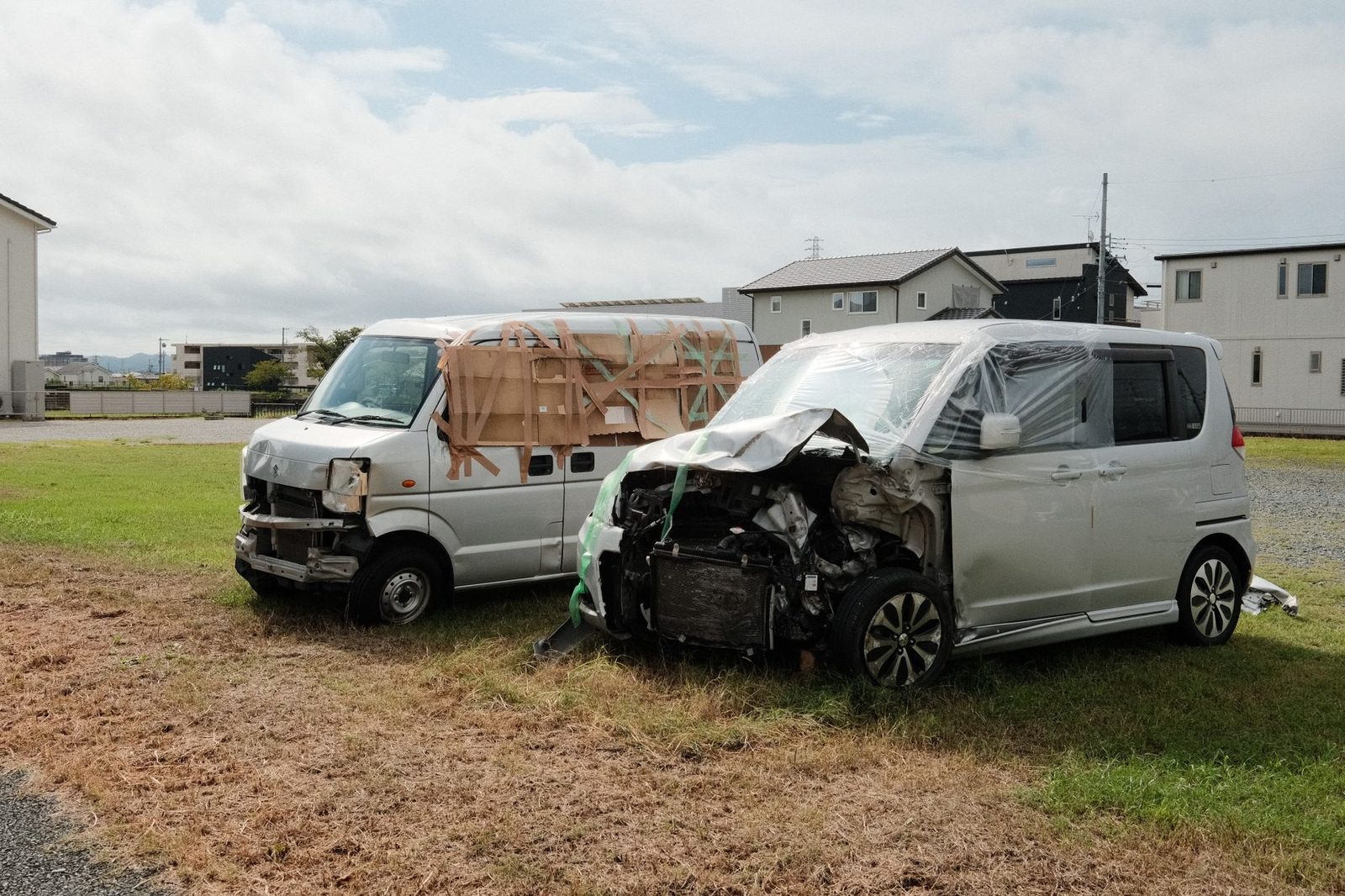
Car Accident Claims in Florida
Car Accident Injury Settlement in Florida: What Your Case May Be Worth
From minor injuries to catastrophic harm, understand how settlements are calculated and what steps to take after a crash.
By CHG Lawyers · Published September 11, 2026
Car Accident Injury Settlement in Florida: What Your Claim May Be Worth
A car accident injury settlement is money paid by the at-fault driver’s insurance company to resolve your injury claim without going to trial. In Florida, settlement amounts vary widely—from a few thousand dollars for minor injuries to hundreds of thousands or more for catastrophic, permanent injuries. The amount depends on medical evidence, how clear liability is, insurance limits, and how the accident has changed your life.
Most car accident cases settle because it’s faster, costs less, and gives you certainty. But understanding what your claim is actually worth requires knowing Florida’s unique legal rules, how damages are calculated, and what evidence strengthens your case.

Not sure what your next step is?
Talk it through with our team — the first consultation is free, confidential, and carries no obligation.
What Is a Car Accident Injury Settlement?
A settlement is an agreement between you (or your attorney) and the at-fault driver’s insurance company to end your injury claim by paying you a lump sum or structured payments.
Settlements cover several categories of loss:
- Medical bills and treatment costs
- Lost wages during recovery
- Pain and suffering (physical pain and emotional distress)
- Permanent disability or scarring
- Loss of enjoyment of life
The insurance company pays these damages. In exchange, you agree not to sue them again for the same accident.
Why most cases settle: Settlement is faster (3 months to 2 years, depending on injury severity), costs less in legal fees and court expenses, and guarantees payment. A trial is unpredictable. A jury might award more or less than you expect, and appeals can drag on for years. Settlement eliminates that risk.
Settlement vs. verdict: If you don’t settle and go to trial, a judge or jury decides the outcome. You might win more, but you might lose everything. Settlement is a compromise—you give up the possibility of a larger award in exchange for certainty and speed.
How Much Are Most Car Accident Settlements?
There is no fixed average. Settlement amounts vary dramatically based on injury severity, medical evidence, how clear liability is, and insurance limits.
General ranges in Florida:
- Minor injuries (soft tissue, sprains, minor cuts): $5,000–$25,000
- Moderate injuries (broken bones, significant sprains, herniated discs): $25,000–$100,000
- Severe injuries (surgery required, permanent scarring, chronic pain): $100,000–$500,000+
- Catastrophic injuries (spinal cord injury, paralysis, traumatic brain injury, amputation, severe burns): $500,000–$5,000,000+
Two identical accidents can settle for very different amounts. One case might resolve for $15,000; another, nearly identical in facts, settles for $75,000. The difference lies in medical documentation, expert opinions, lost income, and how clearly the accident caused the injury.
What Factors Determine the Value of Your Car Accident Settlement?
Severity of Injury
Permanent injuries are worth far more than temporary ones. A broken arm that heals fully within weeks has lower settlement value than a spinal cord injury causing lifelong paralysis. Injuries requiring surgery, ongoing treatment, or leaving permanent scarring or disability command higher settlements.
Medical Evidence
Strong medical documentation increases settlement value. This includes:
- Diagnostic imaging (X-rays, MRI, CT scans)
- Specialist reports
- Treatment records
- A clear prognosis from your doctors
Weak or missing medical records give the insurance company ammunition to argue your injury is minor or unrelated to the accident.
Liability and Fault
Clear liability (the other driver was obviously at fault) leads to higher settlements. If liability is disputed, settlement value drops because the insurance company’s risk of losing at trial decreases.
Florida follows a comparative negligence rule under Fla. Stat. §768.81. You can recover damages even if you were partially at fault—but your award is reduced by your percentage of fault. If you are more than 50% at fault, you generally recover nothing.
Example: If you’re 20% at fault and your damages are $100,000, you recover $80,000.
Insurance Coverage Available
The at-fault driver’s insurance policy limit caps what that insurer pays on your claim. If their limit is $25,000 and your damages are $150,000, you can recover only $25,000 from their policy (unless you have uninsured or underinsured motorist coverage on your own policy). This is why your own insurance coverage matters.
Lost Income and Earning Capacity
If the accident forced you to miss work during recovery, you can claim lost wages. If the injury is permanent and affects your ability to work, you can claim future earning loss. A 45-year-old who loses earning capacity for the next 20 years has a much higher claim than someone who misses two weeks of work.
Pain and Suffering
Pain and suffering (non-economic damages) covers physical pain, emotional distress, anxiety, depression, and loss of enjoyment of life. A severe, permanent injury might carry a 4–5x multiplier; a minor injury, 1.5–2x.
Example: $50,000 in medical bills and lost wages × 3 (moderate injury multiplier) = $150,000 in pain and suffering.
Pre-Existing Conditions
Florida’s eggshell plaintiff rule protects you even if you had a pre-existing condition. If the accident aggravated or worsened an existing injury, the at-fault driver is liable for the additional damage. You’re entitled to full compensation for how the accident made your condition worse—not just for the original condition itself.
Treatment and Recovery Timeline
Ongoing treatment and a longer recovery period increase settlement value. An injury requiring six months of physical therapy, injections, or surgery is worth more than one requiring a single doctor visit.
Understanding Florida’s No-Fault Insurance (PIP) System
Florida requires all drivers to carry Personal Injury Protection (PIP) coverage, typically at a $10,000 minimum. PIP pays 80 percent of reasonable medically necessary medical expenses and 60 percent of lost income, regardless of who caused the accident.
When you can sue beyond PIP: Under Florida law, you can recover damages for pain, suffering, mental anguish, and inconvenience from the at-fault driver only if your injury meets the serious injury threshold.
A spinal cord injury causing paralysis clearly meets it.
PIP exhaustion: If your $10,000 PIP runs out and you need more treatment, you can pursue a claim against the at-fault driver’s liability insurance if your injury meets the serious injury threshold.
The Car Accident Settlement Process: Step by Step
Step 1: Report and Document
Report the accident to police and your insurance company. Seek medical attention immediately, even if you feel fine—some injuries appear hours or days later. Take photos of vehicle damage, the accident scene, your injuries, and gather witness contact information.
Step 2: Medical Treatment
Follow your doctor’s advice and complete prescribed treatment. Gaps in care weaken your claim; insurers argue that if you stopped treatment, your injury wasn’t serious.
Step 3: File a Claim
Notify the at-fault driver’s insurance company and file a liability claim. Provide basic information about the accident, your injuries, and your medical treatment.
Step 4: Investigation
The insurance company’s adjuster investigates liability, causation, and damages. They review the police report, medical records, photos, and witness statements.
Step 5: Demand Letter
Your attorney prepares a detailed demand letter. It outlines your injuries, treatment, lost income, pain and suffering, and the total amount you’re demanding. This letter includes copies of medical records, bills, and evidence of liability.
Step 6: Negotiation
The insurance company responds with a counteroffer. Your attorney and the adjuster negotiate back and forth. This phase typically lasts weeks to months.
Step 7: Settlement Agreement
Once both sides agree on an amount, you sign a settlement agreement and release. The release means you’re giving up the right to sue for this accident.
Step 8: Payment
The insurance company pays the settlement. Funds are distributed to medical providers with liens on your case, your attorney’s fees (typically 33% of the settlement), case expenses, and finally to you.
How Long Does It Take to Settle a Car Accident Claim?
Timeline depends on injury severity:
- Simple cases (minor injury, clear liability): 3–6 months
- Moderate cases (moderate injury, straightforward liability): 6–12 months
- Complex cases (severe injury, disputed liability, multiple defendants): 1–3+ years
- Litigation (if settlement fails and you file a lawsuit): 1–3+ years beyond settlement negotiations
Why rushing is risky: Settling too quickly, before your full injury is documented, can result in inadequate compensation. Some injuries worsen over time; permanent effects may not be clear for months or years.
How Is Pain and Suffering Calculated in Florida Car Accident Cases?
Florida has no fixed formula for pain and suffering. Insurers and courts use two main methods:
Multiplier method: Economic damages (medical bills + lost wages) × a factor of 1.5–5, depending on injury severity.
Per diem method: A daily dollar amount for pain and suffering × the number of days of recovery.
Factors that increase pain and suffering awards:
- Permanent scarring or disfigurement
- Chronic pain requiring ongoing management
- Psychological trauma (PTSD, depression, anxiety)
- Impact on relationships, hobbies, and daily activities
- Permanent loss of function or mobility
A person who suffered a broken leg that healed fully might receive a 2x multiplier on economic damages. Someone with a spinal cord injury causing permanent paralysis might receive a 5x or higher multiplier—or even a per diem calculation that yields a much larger award.
Do Medical Injections or Treatments Increase Your Settlement?
Medical injections (steroid injections, nerve blocks, epidural injections) and other interventional treatments demonstrate that your pain is ongoing and significant enough to warrant advanced care.
How injections strengthen your claim: They show medical necessity, document persistent pain, and prove you’re not simply “walking it off.” Medical records detailing why injections were needed provide strong evidence for pain and suffering.
Important: Injections alone don’t guarantee higher settlements. They must be medically necessary, documented by a qualified provider, and supported by imaging or clinical findings. Treatment decisions should always be based on medical need, not on settlement strategy.
Uninsured and Underinsured Motorist Coverage: What If the At-Fault Driver Has No Insurance?
If the at-fault driver has no insurance or insufficient coverage, you may recover through your own policy:
Uninsured motorist (UM) coverage pays your damages if the at-fault driver has no insurance.
Underinsured motorist (UIM) coverage covers damages exceeding the at-fault driver’s policy limits.
Florida allows you to carry UM/UIM coverage equal to or greater than your liability limits. If you have $100,000 in UM coverage and the at-fault driver has no insurance, you can recover up to $100,000 from your own policy. Your insurance company steps into the at-fault driver’s shoes to defend or settle the claim.
Have questions about what happened?
Ask our team directly. The first conversation is free, confidential, and there is no obligation to continue.
Common Reasons Insurance Companies Lowball Settlement Offers
Insurance companies often offer less than a claim is worth. Watch for these tactics:
- Weak medical evidence: If your medical records are sparse, they’ll argue your injury is minor.
- Liability disputes: They’ll claim you’re partially at fault to reduce their payout.
- Delay tactics: Hoping financial pressure will force you to accept less.
- Underestimating future costs: Failing to account for ongoing treatment or permanent disability.
How to counter: Strong medical documentation, expert opinions, clear evidence of liability, and professional representation all push back against lowball offers.
Settlement vs. Trial: Should You Go to Court?
Settlement advantages:
- Certainty of payment
- Faster resolution (months vs. years)
- Lower legal costs
- Privacy (no public trial record)
Trial advantages:
- Potential for higher award
- Public accountability
- Jury sympathy for severe injuries
- Ability to hold the defendant publicly responsible
Trial risks:
- Unpredictable outcome
- Higher legal costs
- Longer timeline
- Appeal risk
Trial makes sense when liability is clear, injury is severe, the settlement offer is inadequate, or the insurance company is acting in bad faith. Your attorney will advise whether your case is strong enough for trial.
What Happens to Your Settlement After You Receive It?
Settlement funds are distributed in this order:
- Medical lien payoffs: Hospitals and medical providers with liens on your case are paid first.
- Attorney fees: Typically 33% of the settlement (or per your contingency agreement) plus case expenses.
- You: What remains is yours.
Structured settlements are an option: instead of a lump sum, you receive payments over time. This can offer tax advantages and help manage large awards.
Tax implications: Most personal injury settlements are not taxable income. Consult a tax advisor about your specific settlement.
Is It Worth Suing for a Car Accident Injury?
A lawsuit makes sense when:
- Your injury is significant and permanent
- Damages are substantial (medical bills, lost income, pain and suffering)
- Liability is clear
- Insurance coverage is inadequate
- The insurance company refuses a fair offer
Settlement is often better when:
- Your injury is minor or temporary
- Recovery is quick
- Liability is clear and the insurance company is cooperative
- Insurance limits are adequate for your damages
Cost-benefit analysis: Most personal injury attorneys work on contingency—you pay nothing upfront. The attorney is paid only if you recover, typically taking 33% of the settlement or verdict. This removes the financial barrier to seeking representation.
Specific Injury Types and Settlement Ranges
Different injury types have different settlement patterns:
- Settlement value depends on the facts of each case, so there are no standard dollar ranges to quote for specific injuries.
- Thoracic outlet syndrome: $30,000–$150,000+ depending on severity and treatment needs
- PTSD and emotional trauma: $10,000–$100,000+ depending on severity and documentation
Catastrophic injuries like spinal cord injury, paralysis, or severe burns are among the most serious injuries a person can suffer. These injuries cause permanent, life-altering disability and require lifelong care.
How to Strengthen Your Car Accident Injury Claim
Immediate steps:
- Seek medical attention right away, even if you feel fine.
- Report the accident to police and your insurance company.
- Take photos of vehicle damage, the accident scene, and your injuries.
- Gather witness contact information.
Ongoing:
- Keep detailed records of all medical treatment, bills, and receipts.
- Follow your doctor’s advice; complete prescribed treatment.
- Document lost wages and time off work.
- Avoid social media posts about your injury or activities that contradict your claim.
- Don’t settle too quickly; allow time for full injury assessment.
Strong evidence—medical records, expert opinions, clear liability, and documented damages—dramatically increases settlement value.
Deadlines and Statutes of Limitations for Florida Car Accident Claims
Florida’s statute of limitations for personal injury: Fla. Stat. §95.11 gives you 2 years from the date of injury to file a lawsuit.
Wrongful death: If the accident is fatal, the family has 2 years to file a wrongful-death claim.
Why timing matters: Evidence degrades, witnesses become unavailable, memory fades, and medical records may be lost. The sooner you act, the stronger your case. Don’t wait until the deadline is near.
Pre-Existing Conditions and Car Accident Settlements
The eggshell plaintiff rule: You’re entitled to full compensation even if you had a pre-existing condition before the accident.
How it works: If the accident aggravated or worsened an existing injury—a prior back injury made worse by the crash, for example—the at-fault driver is liable for the additional damage caused by the aggravation.
Documentation is critical: Medical records showing your pre-existing condition and how the accident made it worse are essential. Insurance companies will argue the injury was pre-existing to reduce settlement; expert medical testimony distinguishing pre-existing injury from accident-caused aggravation protects your claim.
Want to know where you stand?
Tell us what happened and our team will walk you through the options available to you, at no cost.
Regional Variations: Car Accident Settlements in Florida
Florida’s no-fault PIP system and comparative negligence rule affect settlement value statewide. However, settlement amounts also vary by region:
- Miami and South Florida: Higher population density, more litigation experience, and different jury demographics can affect settlement patterns.
- Tampa, Orlando, Jacksonville: Regional differences in insurance company practices and jury awards influence settlement value.
- Rural areas: Lower cost of living may result in lower settlement amounts for similar injuries.
Your location in Florida matters. An injury settled in Miami might be valued differently in Jacksonville, even if the facts are identical.
Frequently Asked Questions
How much is the average car accident settlement in Florida?
There is no true average; settlements range from $5,000 for minor injuries to $5,000,000+ for catastrophic injuries. Most moderate cases settle between $25,000 and $100,000.
How long does a car accident settlement take?
Simple cases settle in 3–6 months; moderate cases in 6–12 months; complex or litigated cases in 1–3+ years.
Can I recover if I was partially at fault?
Yes, under Fla. Stat. §768.81. Your recovery is reduced by your percentage of fault, but you can still recover unless you are more than 50% at fault.
What if the at-fault driver has no insurance?
Your uninsured motorist (UM) coverage on your own policy will cover your damages, up to your UM limits.
Should I accept the first settlement offer?
Usually not. First offers are typically low. Your attorney will negotiate for a higher amount based on your medical evidence and damages.
What if I don’t settle?
If settlement negotiations fail, your attorney can file a lawsuit. This adds 1–3+ years to the timeline but may result in a higher award if you win at trial.

What to Do Now
If you’ve been injured in a car accident and are weighing whether your injuries warrant a claim—whether you’re dealing with a broken bone, ongoing back pain, or a life-altering injury like paralysis or traumatic brain injury—the decision to pursue compensation deserves careful thought and experienced guidance. People in your exact situation reach out to discuss their cases regularly, and we’re here to help you understand what your claim may be worth and what happens next.
Contact us for a free case evaluation and let’s talk about your accident and your recovery.
Settlement Range by Injury Severity
Minor Injuries
Soft-tissue damage, minor fractures, and short-term treatment typically settle between $5,000 and $25,000, depending on medical costs and lost wages.
Moderate Injuries
Significant fractures, prolonged recovery, ongoing therapy, and lasting pain often result in settlements between $25,000 and $100,000.
Severe & Catastrophic Injuries
Spinal cord injuries, paralysis, traumatic brain injury, amputations, and permanent disability can result in settlements of $100,000 to millions, reflecting lifetime care and lost earning capacity.
Wrongful Death
Fatal crashes result in claims brought by surviving family members for medical costs, funeral expenses, lost income, and the loss of companionship and support.
What Affects Your Settlement Value
Medical Evidence
Detailed records of treatment, diagnosis, and prognosis are central to valuing your claim. Catastrophic injuries with clear, documented long-term effects command higher settlements.
Liability & Fault
Clear evidence that the other driver caused the crash strengthens your claim. Florida's comparative fault rules may reduce recovery if you share responsibility.
Lost Income & Future Earnings
Settlements account for wages you lost during recovery and, in severe cases, your reduced or eliminated earning capacity for life.
Pain, Suffering & Quality of Life
Non-economic damages—physical pain, emotional trauma, and permanent lifestyle changes—are valued based on injury severity and permanence.
Insurance Coverage
The at-fault driver's policy limits and available coverage sources affect what can be recovered. Multiple policies or assets may provide additional compensation.
Negotiation & Litigation
Strong legal representation can increase settlement value. Cases that proceed to trial may result in different outcomes than early settlements.
Act Quickly After a Crash
Evidence fades, witnesses move away, and memories blur. The sooner you document the scene, gather medical records, and report the crash to insurance, the stronger your claim becomes. Do not delay in seeking legal guidance.
Steps to Maximize Your Settlement
Seek Immediate Medical Care
Even if injuries seem minor, get evaluated by a doctor. Some injuries—like traumatic brain injury or internal bleeding—may not be obvious. Medical records are essential proof of harm.
Document Everything
Photograph the crash scene, vehicle damage, and injuries. Collect witness contact information, the police report, and the other driver's insurance details. Keep all medical bills, receipts, and records of lost work.
Do Not Accept Early Offers
Insurance companies often make quick, low-ball offers before the full extent of your injuries is clear. Consult a lawyer before accepting any settlement.
Build Your Claim with Professional Help
An experienced personal injury attorney will gather medical evidence, expert testimony, and economic data to calculate fair compensation and negotiate or litigate on your behalf.
Common Questions About Car Accident Settlements
How long does a settlement take?
Simple cases often settle within 3–6 months. Moderate cases may take 6–12 months. Complex or catastrophic cases, especially those involving litigation, can take 1–3 years or longer.
Can I settle without a lawyer?
You can, but you risk accepting far less than your claim is worth. Insurance adjusters are trained to minimize payouts. A lawyer levels the playing field and ensures you understand your rights.
What if the other driver was uninsured?
Your own uninsured motorist coverage may apply. An attorney can help you pursue claims against other liable parties or explore additional recovery options.
How are attorney fees handled?
Most personal injury attorneys work on contingency: no attorney’s fees unless there is a recovery. You pay nothing upfront, and the attorney's fee comes from your settlement or judgment.
Why CHG Personal Injury Lawyers
Focused on Catastrophic Injury
Our practice focuses exclusively on personal injury claims, from everyday car accidents to life-altering spinal cord injuries, paralysis, traumatic brain injury, amputations, and wrongful death. We understand the full scope of harm.
Florida-Based, Serving Florida
We are based in Florida and serve people throughout the state, including Miami, Orlando, Tampa, and Jacksonville. Whether your crash happened in a major city or a smaller Florida community, we are here to discuss your options.
Bilingual Support
We serve English- and Spanish-speaking clients with educational content and legal representation in both languages.
Free Consultation
Contact us for a free case evaluation. We listen to your story, explain your options, and answer your questions—no obligation.