

Catastrophic ATV Injuries
Spinal Cord Damage & Paralysis from ATV Accidents
ATVs carry disproportionate risk of life-altering injury. If you or a loved one suffered a spinal cord injury, paralysis, brain injury, or fatal outcome in an ATV accident, you may have a claim for compensation.
By CHG Lawyers · Published September 20, 2026
Catastrophic ATV Accident Injuries: Spinal Cord Damage, Paralysis, Brain Injury & Death
A catastrophic ATV accident injury is one that causes permanent, life-altering impairment or death. These are not broken bones or road rash. Catastrophic injuries include spinal cord damage resulting in paralysis (paraplegia or quadriplegia), traumatic brain injury (TBI), amputation or limb loss, severe burns, and fatal outcomes. They reshape a person’s entire life and require lifelong medical care, adaptive equipment, and ongoing support.
ATVs carry disproportionate risk of catastrophic harm because of their design: high speeds, no protective shell, no airbags, no restraint systems, and exposed riders on uneven terrain. When an ATV rolls or crashes at speed, the rider is thrown or crushed. The impact often strikes the head, spine, or limbs with tremendous force. The result is permanent disability or death—not just for the injured person, but for the entire family left to navigate medical, financial, and emotional consequences.

If you or a loved one suffered a spinal cord injury, paralysis, brain injury, or fatal outcome in an ATV accident, you may have a claim for compensation. Talk it through with our team — the first consultation is free, confidential, and carries no obligation.
What Qualifies as a Catastrophic ATV Injury?
A catastrophic injury causes permanent impairment that fundamentally changes how a person lives, works, and moves. It is distinct from routine fractures, soft-tissue damage, or lacerations. Here’s what separates catastrophic from minor:
- Spinal cord injury (SCI): Damage to the vertebrae, discs, or nerve tissue of the spine that results in permanent loss of sensation, motor function, or both. Paraplegia (paralysis of the lower body) and quadriplegia (paralysis of all four limbs and torso) are catastrophic.
- Traumatic brain injury (TBI): A blow or jolt to the head that causes the brain to move inside the skull, damaging brain cells and disrupting neural function. Catastrophic TBI results in cognitive impairment (memory loss, difficulty concentrating, personality changes), physical disability (weakness, loss of balance, seizures), or long-term neurological effects.
- Amputation or limb loss: Crush injuries that result in surgical removal of a limb to save the person’s life. Amputation is permanent disability.
- Severe burns: Deep burns (third-degree or full-thickness) that destroy skin, muscle, and underlying tissue, requiring hospitalization, multiple surgeries, and skin grafting. Severe burns result in permanent scarring, loss of function, and often significant disfigurement.
- Catastrophic back or neck injury: Vertebral fractures, disc herniation with nerve compression, or ligament damage that causes permanent loss of function, neurological compromise, chronic pain, and mobility loss.
- Wrongful death: The most catastrophic outcome. Surviving family members face grief, funeral expenses, lost income, and loss of companionship.
By contrast, a simple fracture, whiplash, or minor burn is not catastrophic. These injuries heal or improve with time. Catastrophic injuries do not.
Why ATV Accidents Cause Catastrophic Injuries
ATVs are heavy (typically 400–1,000 pounds), fast vehicles with no protective shell, airbags, or safety restraints. Riders sit exposed. The mechanics of an ATV rollover or high-speed crash create conditions for catastrophic harm:
- Rollover dynamics: When an ATV tips or flips—often due to uneven terrain, excessive speed, or sharp turns—the rider is thrown or trapped beneath the vehicle. The weight of the ATV crushes the rider’s body, causing spinal cord damage, internal organ injury, or fatal trauma.
- Head and spine exposure: Without a protective shell or restraint, the rider’s head and neck strike the ground, rocks, or the ATV itself at high velocity. The impact can cause fatal or permanently disabling brain injury or spinal cord damage.
- Terrain hazards: Rocks, ditches, trees, and water add to the danger. A high-speed rollover on rocky terrain is more likely to cause catastrophic harm than a low-speed tip on flat ground.
Even experienced riders can suffer catastrophic harm in an instant.
Most Common Catastrophic Injuries in ATV Accidents
Research from the National Institutes of Health (NIH/PubMed Central) confirms that head and extremity trauma are the most common injuries in ATV accidents. More than 50% of injured persons are children. However, catastrophic injuries—those causing permanent disability—follow a distinct pattern.
Spinal Cord Injuries and Paralysis
Spinal cord injuries from ATV accidents typically result from rollovers or high-speed impacts that compress or sever the spinal cord. The injury is usually permanent.
According to the American Spinal Injury Association (ASIA) classification system, the severity of an SCI is graded from A (complete loss of motor and sensory function below the injury level) to E (normal motor and sensory function). A person with a spinal cord injury faces lifelong care needs:
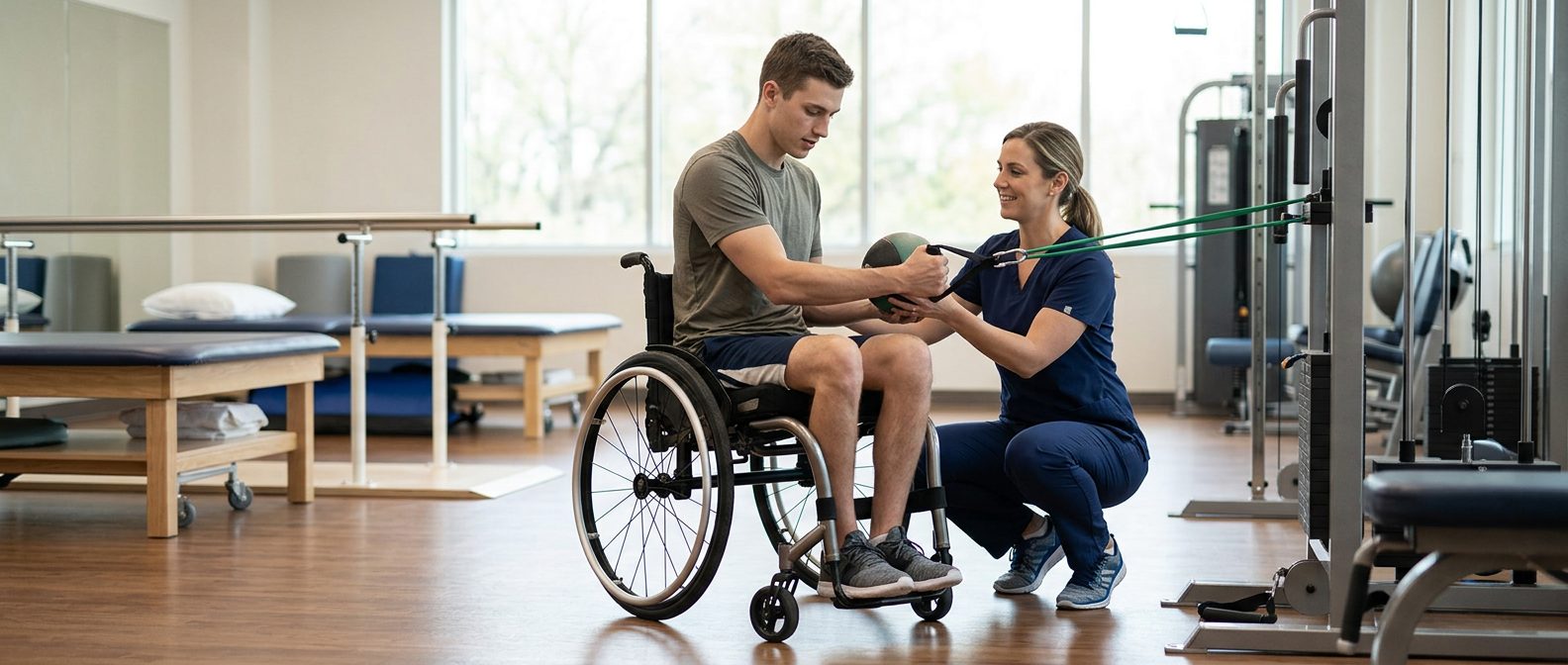
- Rehabilitation and physical therapy
- Adaptive equipment (wheelchairs, braces, standing frames)
- Home modifications (accessible bathrooms, ramps, lifts)
- Ongoing medical treatment (urinary catheterization, bowel management, pain management)
- Personal assistance with activities of daily living (bathing, dressing, toileting)
- Vocational retraining or job accommodation
The emotional and financial toll on the injured person and their family is profound. Lifetime care costs for a person with paraplegia or quadriplegia can exceed $1 million.
Traumatic Brain Injury (TBI)
ATV rollovers and high-speed impacts commonly cause closed-head trauma (no open wound, but severe internal injury). According to the Mayo Clinic, traumatic brain injury occurs when a blow or jolt to the head causes the brain to move inside the skull, damaging brain cells and disrupting neural function.
A catastrophic TBI can result in:
- Cognitive impairment (memory loss, difficulty concentrating, personality changes, executive dysfunction)
- Physical disability (weakness, loss of balance, seizures, loss of coordination)
- Sensory changes (vision or hearing loss, loss of smell or taste)
- Long-term neurological effects (chronic headaches, sleep disturbance, mood disorders)
Recovery is slow and uncertain. Many survivors never fully regain their pre-injury function. The person may require lifelong supervision, therapy, and medical care. Return to work is often impossible.
Amputation and Limb Loss
Crush injuries from ATV rollovers or entanglement with the vehicle’s components (engine, wheels, frame) can result in amputation. A limb may be so severely damaged that surgical removal is necessary to save the person’s life.
Amputation is permanent disability. The person loses not only the limb itself but also the ability to perform work, sports, and daily activities they once took for granted. Additional consequences include:
- Phantom pain (pain felt in the missing limb), which can persist for years
- Prosthetic devices and ongoing fitting and adjustment
- Rehabilitation and physical therapy
- Vocational retraining
- Psychological trauma and depression
Severe Burn Injuries
Fuel tank rupture, electrical contact, or chemical exposure during an ATV accident can cause severe burns. Deep burns (third-degree or full-thickness) destroy skin, muscle, and underlying tissue. Treatment requires hospitalization, multiple surgeries, skin grafting, and intensive rehabilitation.
Severe burns result in:
- Permanent scarring and loss of function
- Significant disfigurement
- Reconstructive surgery and ongoing wound care
- Chronic pain and pain management
- Psychological trauma
- Inability to return to work or normal life
Catastrophic Back and Neck Injuries
Vertebral fractures, disc herniation with nerve compression, or ligament damage can cause permanent loss of function in the back or neck. Unlike a simple herniated disc, a catastrophic back or neck injury involves neurological compromise—nerve damage that causes lasting weakness, numbness, or loss of control.
These injuries often result in:
- Chronic pain
- Mobility loss and permanent disability
- Surgical intervention (often without full functional restoration)
- Lifelong pain management and physical limitation
Wrongful Death
The most catastrophic outcome of an ATV accident is death. Surviving family members—spouses, children, parents, siblings—face not only grief but also financial devastation. Funeral expenses, lost income, and loss of companionship are real harms. Florida Statute § 768.19 recognizes wrongful-death claims, allowing surviving family members to pursue compensation from those responsible for the fatal accident.
What Causes ATV Deaths?
Head and spinal cord trauma are the leading causes of ATV fatalities. The mechanism is straightforward: ATV rollovers and high-speed impacts expose the rider’s head and neck to severe trauma. Without a protective shell or restraint system, the rider’s head strikes the ground, rocks, or the ATV itself. The impact can cause fatal brain injury or spinal cord damage that stops the heart or stops breathing.
Helmet use reduces the risk of fatal head injury, but helmets do not prevent all catastrophic outcomes. A severe impact can still cause fatal brain injury even with a helmet. Spinal cord injuries at the cervical (neck) level can be fatal because they damage the nerves that control breathing (the phrenic nerve, which innervates the diaphragm).
The critical point: head and spinal cord trauma are catastrophic whether they result in death or survival with permanent disability. Families who lose a loved one to an ATV accident have legal recourse; so do survivors facing permanent paralysis or brain injury.
Who Is Most at Risk for Catastrophic ATV Injury?
Children and adolescents face disproportionate risk of ATV injury and fatality. NIH research documents that more than 50% of ATV-injured persons are children. Developmental factors, inexperience, and the use of adult-sized equipment on young bodies all contribute to higher injury rates in this age group.
Young adults (ages 18–24) also show elevated risk due to risk-taking behavior and speed. Older riders may face increased severity of injury due to bone fragility and slower recovery.
However, catastrophic injuries can occur at any age. A person of any age can suffer a spinal cord injury, traumatic brain injury, or fatal outcome in an ATV accident.
Not sure what your next step is?
Talk it through with our team — the first consultation is free, confidential, and carries no obligation.
Who Is Liable for a Catastrophic ATV Accident?
Liability in ATV accidents depends on the specific facts and circumstances. Potential defendants include:
- Other riders or operators who caused the accident through negligence or recklessness
- Property owners who failed to maintain safe conditions or warn of hazards (premises liability)
- ATV manufacturers who designed or manufactured a defective vehicle (product liability)
- Rental companies who rented a defective or poorly maintained ATV
- Negligent security providers at properties where ATV accidents occur (e.g., off-road parks, rental properties)
In Florida, Comparative Fault Law (Fla. Stat. § 768.81) allows recovery even if you bear some responsibility for the accident. The amount of compensation is reduced by your percentage of fault. This means that even if you were partially at fault, you may still have a claim against a more-negligent party.
What to Do After a Catastrophic ATV Accident
Immediate action after a catastrophic ATV accident is critical:
- Seek emergency medical care. Call 911 if anyone is seriously injured. Catastrophic injuries require immediate hospital evaluation and treatment.
- Document the scene. If you are able, take photos and videos of the accident scene, the ATV, terrain, and any hazards. Note weather, lighting, and time of day.
- Gather witness information. Get names, phone numbers, and contact information from anyone who saw the accident.
- Report to authorities. File a police or incident report. Obtain a copy for your records.
- Preserve evidence. Do not allow the ATV to be moved, sold, or scrapped. Do not sign documents or discuss fault with insurance companies without legal counsel.
- Obtain medical records. Collect all medical records, imaging, expert evaluations, and rehabilitation reports.
- Contact an attorney immediately. Time is critical: evidence degrades, memories fade, and legal deadlines approach.
Statute of Limitations for ATV Accident Claims in Florida
Time is critical. Florida’s statute of limitations for personal injury claims is two years from the date of injury (Fla. Stat. § 95.11).
If you miss the deadline, you lose your right to sue. Evidence degrades, witnesses disappear, and memories fade. The sooner you contact an attorney, the better your case will be.
Compensation for Catastrophic ATV Accident Injuries
Catastrophic ATV injuries result in substantial damages. Compensation may include:
- Medical expenses: hospitalization, surgery, rehabilitation, ongoing treatment, adaptive equipment, home modifications, assistive technology
- Lost wages: income lost during recovery and ongoing disability
- Loss of earning capacity: reduced ability to work in the future due to permanent impairment
- Pain and suffering: compensation for physical pain, emotional distress, and loss of enjoyment of life
- Loss of companionship and support: in wrongful-death cases, damages for the family’s loss
The amount of compensation depends on liability, insurance coverage, the severity and permanence of the injury, and the injured person’s age, occupation, and life expectancy. Catastrophic injuries typically result in substantial awards because the lifelong care needs are significant and well-documented.
Defective ATV Design and Product Liability
ATV manufacturers have a duty to design safe products and warn of known hazards. If an ATV has a design defect—such as excessive rollover propensity, lack of protective barriers, or stability problems—the manufacturer may be liable for injuries caused by that defect.
Similarly, if an ATV is manufactured with a defect (a welding flaw, a brake failure, a steering malfunction), the manufacturer is liable. And if a manufacturer knows of a hazard but fails to warn riders, the manufacturer may be liable for injuries caused by that hazard.
Product liability claims can provide substantial compensation because manufacturers have insurance and resources to pay damages. These claims often require expert engineering analysis and testimony to establish the defect and its causal link to the injury.
Have questions about what happened?
Ask our team directly. The first conversation is free, confidential, and there is no obligation to continue.
ATV Rental Property Liability
Rental companies and property owners who permit ATV use have a duty to inspect equipment, warn of hazards, and ensure safe conditions. If a rental ATV is defective or poorly maintained, the rental company is liable for injuries caused by that defect.
Similarly, if a property owner permits ATV use on their land but fails to warn of hazards (cliffs, rocks, water hazards), the property owner may be liable. Negligent security—failure to provide reasonable security at off-road parks or rental properties—can also result in liability if that failure contributes to a catastrophic accident.
Next Steps: Getting Help After a Catastrophic ATV Accident
Catastrophic ATV injuries require focused legal representation. The medical evidence is complex, the damages are substantial, and the stakes are high. You need an attorney who understands the science of spinal cord injury, traumatic brain injury, and amputation—and who knows how to prove liability and maximize compensation.
If you or a family member is facing permanent paralysis, traumatic brain injury, amputation, severe burns, or the loss of a loved one in a fatal ATV crash, a free case evaluation allows you to understand your legal options without obligation. Contact us today to speak with an attorney who focuses exclusively on catastrophic injury cases.
Why CHG Personal Injury Lawyers Handles These Cases
Focused on Catastrophic Injury
We focus exclusively on the most severe, life-altering injuries—spinal cord damage, paralysis, traumatic brain injury, amputation, and fatal outcomes. We understand what's at stake.
Nationwide Reach
Based in Florida, we take ATV accident cases nationwide. Wherever your accident occurred, we can help you pursue a claim.
Empathetic Representation
We work with families and survivors to secure compensation for medical care, adaptive equipment, lost income, and the ongoing support a catastrophic injury demands.
No Attorney’s Fees Unless There Is a Recovery
We work on contingency. You pay nothing upfront, and we only collect a fee if there is a recovery in your case.
Time Matters
Catastrophic injury claims are complex and require immediate investigation. Evidence at the accident scene, medical records, and witness statements must be preserved. Contact us as soon as possible after your injury.
What Happens After a Catastrophic ATV Injury
Immediate Medical Stabilization
Spinal cord injuries require emergency care and often surgery. Paralysis may develop immediately or over hours. Your medical team will work to prevent further damage and begin rehabilitation.
Long-Term Care & Adaptation
Spinal cord injuries cause permanent impairment. Recovery involves physical therapy, adaptive equipment (wheelchairs, home modifications), assistive technology, and ongoing medical management for life.
Financial & Legal Consequences
Catastrophic injuries mean lost wages, mounting medical bills, and lifetime care costs. A personal injury claim can recover compensation for these damages and hold the responsible party accountable.
Our Investigation & Claim
We investigate the accident, identify liability, gather medical evidence, and build your case. We negotiate with insurers or pursue litigation to secure fair compensation for your injury.
You Don't Have to Face This Alone
Related practice areas
- Spinal Cord Injuries: A Guide for Victims and Families Facing Paralysis
- Tetraplegia
- Brain Injury From Assault: Property Owner Liability