

Negligent Security · Florida & Nationwide
Shot at an Apartment Complex That Should Have Kept You Safe
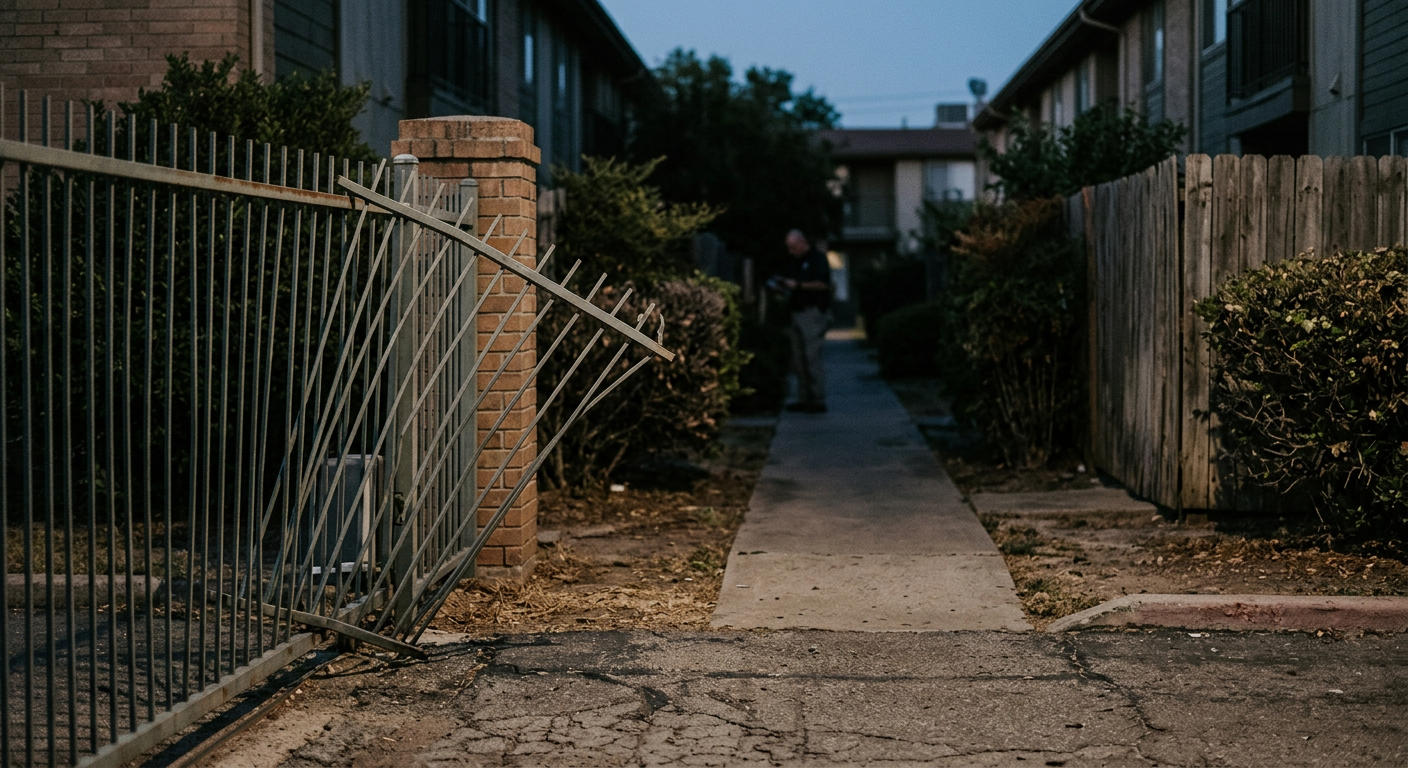
If you or someone you love was shot on apartment property with broken gates, dark walkways, or no security, the property owner may be responsible. We help catastrophically injured victims and grieving families understand their rights.
Why Families Turn to CHG
Licensed
Florida Bar admitted attorneys
Nationwide
Cases handled across the U.S.
Bilingual
English & Spanish support
Free
No-cost case evaluation
By CHG Lawyers · Published August 15, 2026
Apartment Complex Shooting Lawyer: Your Rights When You’re Hurt Where You Should Have Been Safe
You were in the parking lot, the breezeway, the stairwell, or your own home. You had every reason to feel safe. Then a shooting left you or someone you love with a permanent, life-changing injury. Now, between hospital bills and fear, one question keeps coming back. Could this have been prevented?
Often, the answer is yes. An apartment property should provide basic security. That means working gates, locks, lighting, cameras, or guards it promised. When it fails to do that, and a violent attack follows, the owner or management company can share the blame. That is true even if the shooter is never caught.
You don’t need to know any legal terms to get answers. A case review is free and private. We offer it in English and Spanish.
Contact CHG Personal Injury Lawyers for a free case evaluation.
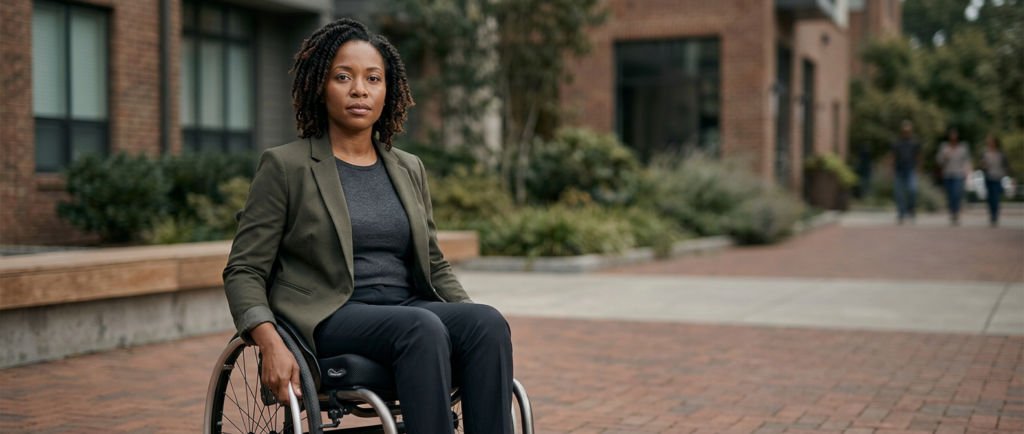
If you or someone you love was shot on apartment property with broken gates, dark walkways, or no security, the property owner may be responsible. Talk it through with our team — the first consultation is free, confidential, and carries no obligation.
If You Were Shot at an Apartment Complex, You May Have More Rights Than You Think
The person who fired the shot is responsible for the violence. But they may not be the only one.
Here’s what many people don’t realize. The property owner or management company may also be legally responsible. This happens when they fail to provide reasonable security. Lawyers call this a negligent security claim. It is a type of premises liability. That means the owner has a duty to keep the property reasonably safe for people who are there lawfully.
Two things surprise most families:
- You do not have to be a tenant. Guests, visitors, and delivery workers hurt on the property may also have claims.
- Your claim is separate from the criminal case. It can move forward even if no one is ever arrested. That’s because it’s about the property’s failures. It is not about proving who fired the shot.
Who This Page Is For
This page is for people who suffered serious, life-changing injuries in a shooting at an apartment or condo complex. It is also for the families of those who did not survive.
We focus on serious, permanent injuries and fatal outcomes, including:
- Spinal cord injuries and paralysis (paraplegia and quadriplegia)
- Traumatic brain injury (TBI) — a serious brain injury
- Amputation and limb loss
- Severe burns
- Catastrophic back and neck injuries
- Wrongful death — when a family loses a loved one to a shooting on the property
We are based in Florida. We serve families in Miami, Orlando, Tampa, and Jacksonville. We also handle catastrophic cases nationwide. Our team works with clients in both English and Spanish. That matters here. The U.S. Census Bureau reports that about 22% of Florida residents speak Spanish at home.
When Is an Apartment Complex Legally Responsible for a Shooting?
An apartment complex may be responsible when the danger was foreseeable. That means the owner could have seen it coming but did not take reasonable steps to prevent it. In plain terms, there were warning signs. For example, a pattern of past crime or violence at or near the property.
The law does not require an owner to guarantee your safety. It asks a narrower question. Were reasonable, expected security measures missing? Examples that can support a claim include:
- Broken entry gates or unlocked perimeter doors
- Deadbolts or unit locks that didn’t work
- Burned-out or missing lighting in parking lots, walkways, and stairwells
- No security cameras, or cameras that weren’t recording or being watched
- No security patrols where they were promised or clearly needed
- Ignored tenant complaints about crime, broken gates, or dark hallways
In 2023, Florida lawmakers narrowed some of these claims (Fla. Stat. §768.0706). The law now protects apartment owners from liability if they adopt certain measures. These include lighting up to set standards, working locks, and a documented crime-prevention review. Whether a property actually met that standard depends on the facts. It is one of the first things we investigate.
More than one party can be at fault. That may include the owner, the management company, and sometimes a security contractor. Every case depends on its own facts.
Not sure what your next step is?
Talk it through with our team — the first consultation is free, confidential, and carries no obligation.
What We Investigate and Pursue
A negligent security case does two things. First, it looks at whether the property could have prevented the attack. Second, it pursues the full lifetime cost of a catastrophic injury.
To build proof, our attorneys look at:
- The property’s crime history and police call records
- Prior shootings, robberies, and 911 calls at or near the complex
- The condition of lighting, locks, cameras, and gates on the night in question
- Written security policies versus what actually happened
- Staffing levels and whether promised patrols existed
- Tenant complaints and maintenance work orders
We move quickly because surveillance footage is often erased within days or a few weeks. Early on, we send legal preservation notices. These are formal requests to keep evidence. They help us secure video, maintenance logs, leasing and security contracts, and witness accounts before they disappear.
A claim may seek money for:
- Past and future medical bills
- Long-term and lifetime attendant care
- Lost income and lost earning power
- Pain and suffering
- Home and vehicle changes made necessary by paralysis or amputation
Some cases are fatal. When that happens, eligible family members may pursue wrongful-death damages under Florida’s Wrongful Death Act (Fla. Stat. §§768.16–768.26). We handle these claims with dignity. We stay focused on the family left behind.
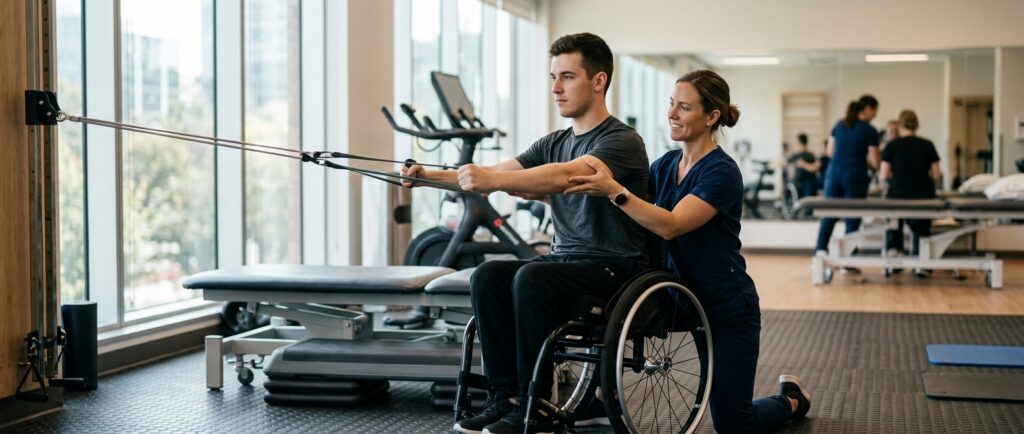
Catastrophic injuries carry lifelong costs. So we often work with treating doctors and certified life-care planners. They help document future needs. A spinal cord injury, for example, can cause permanent loss of strength, feeling, and function below the level of injury, according to the Mayo Clinic. Doctors classify an injury as “complete” or “incomplete” using the ASIA Impairment Scale. This is the standard used across U.S. rehabilitation hospitals. The difference matters because it shapes the expected cost of care.
What to Do After an Apartment Complex Shooting
Get medical care first. Then protect your evidence. And be careful about what you say to insurers.
- Get medical care and follow your treatment plan. Your health and your documented injuries come first.
- Report the incident and keep the police report number. You’ll need it to request records later.
- Preserve evidence. Photograph the scene, the lighting, and any broken gates or locks. Get names and contact info for witnesses. Keep everything you receive.
- Be careful with recorded statements. Insurers or property reps may ask for one before you have a lawyer. You can politely say no.
- Act reasonably quickly. Footage and physical conditions can vanish. A lawyer can send preservation notices right away.
Reach out for a free case evaluation so evidence can be preserved before it’s gone.
How the Legal Process Works — Step by Step
- Step 1: Free case evaluation. We listen to what happened. Then we explain, in plain language, whether you may have a claim.
- Step 2: Investigation. We gather crime history, property records, and physical evidence. We also consult experts.
- Step 3: Building the claim. We document who is at fault. We also show the full extent of your injuries and future needs.
- Step 4: Negotiation. We negotiate with insurers and defendants. If they won’t offer a fair resolution, we file a lawsuit.
- Step 5: Litigation. The case moves toward settlement or trial as needed.
Catastrophic cases take time. They involve serious injuries and thorough proof. We keep you informed at every step.
Why Families Choose CHG Personal Injury Lawyers
We focus on catastrophic, life-altering injuries and wrongful death.
- Licensed attorneys admitted to the Florida Bar, based in Florida, handling cases nationwide.
- Bilingual (English/Spanish) support so your family understands every step.
- Contingency-fee representation for injury cases. In plain terms, you typically pay no attorney fee unless there is a recovery.
- Empathetic, plain-language communication. We handle the legal fight so you can focus on healing.
We do not and cannot promise a specific result. Every case is judged on its own facts.
Have questions about what happened?
Ask our team directly. The first conversation is free, confidential, and there is no obligation to continue.
Frequently Asked Questions
Can I sue if the shooter was never caught or identified?
Yes. Your claim is against the property owner’s negligence. That is separate from the criminal case against the shooter.
How much is my apartment shooting claim worth?
It depends on your injuries, your future care needs, and the evidence. No honest lawyer can promise a specific amount before reviewing the facts.
Do I have to be a tenant to have a claim?
No. Guests and visitors who were hurt on the property may also have valid claims.
How much does it cost to hire a lawyer?
The case review is free. Injury cases are handled on a contingency fee. So you typically pay no attorney’s fee unless there is a recovery.
How long do I have to file in Florida?
For incidents on or after March 24, 2023, the deadline for most negligence claims is two years under Fla. Stat. §95.11. Deadlines vary by situation, so ask early.
What if fault is disputed?
Florida uses modified comparative negligence under Fla. Stat. §768.81. This means fault can be shared. A person found more than 50% at fault generally cannot recover damages.
What if my family member died?
Eligible family members may pursue a wrongful-death claim. We handle these cases with care and focus on your family’s future.
Talk to an Apartment Complex Shooting Lawyer — Free, Confidential Case Evaluation
You were hurt somewhere you should have been safe, and you deserve answers. An attorney at CHG Personal Injury Lawyers can review what happened. We explain your options clearly, and in your language.
The review is free and private. We offer it in English and Spanish. Injury cases are handled with no attorney’s fee unless there is a recovery. Evidence like surveillance footage can disappear quickly, so it helps to reach out soon.
Contact CHG Personal Injury Lawyers today for your free, no-obligation case evaluation.
Evidence Disappears Fast
Security camera footage is often erased within days, and broken locks or lights get repaired after an incident. The sooner a lawyer can preserve this evidence, the stronger your case. Don't wait to reach out.
What May Point to the Property Owner's Negligence
Broken Gates or Locks
Entry gates left open, malfunctioning locks, or fences that let anyone onto the property can be signs the owner failed to provide reasonable security.
Poor or No Lighting
Dark parking lots, garages, stairwells, and walkways create hiding spots for attackers when the owner should have kept them lit.
Prior Crime They Ignored
If violent crime had happened on or near the property before, the owner may have been on notice that stronger security was needed.
Missing Cameras or Guards
Absent, broken, or unmonitored cameras and a lack of promised security patrols can all support a claim.
Common Questions From Victims and Families
Can I sue if the shooter was never caught?
Yes. Your claim is against the property owner's negligence for failing to provide reasonable security. That is separate from any criminal case against the shooter, which does not have to be solved for you to pursue a claim.
What is 'negligent security'?
It's the legal term for a case where a property owner failed to take reasonable steps — like working locks, lighting, cameras, or guards — to protect people on their property, and someone was seriously hurt as a result.
How much is my claim worth?
It depends on your injuries, your future care needs, and the evidence. No honest lawyer can promise a specific amount before reviewing the details of your situation. We'll give you a straight assessment.
What if a loved one died?
A death is the most catastrophic outcome of all. Surviving family members may be able to bring a wrongful-death claim against a negligent property owner. We handle these cases with care and dignity.