
Florida Personal Injury Guide
An Accident Can Change Everything in a Moment. Here Is What to Know and What to Do Next.
Whether the harm was a fender-bender, a fall, or a life-altering injury, clear answers can help you make steady decisions while you recover.
Why Florida Families Call CHG
Florida
Florida-based personal injury firm serving clients throughout the state
Licensed
Our attorneys are admitted to The Florida Bar
Bilingual
English and Spanish educational resources for prospective clients
By CHG Lawyers · Published November 18, 2026
What Does “Accident” Mean Under Florida Law? Types, Rights & Next Steps
If you were hurt in a crash, a fall, or an attack, you may be asking two questions. What does the word “accident” really mean? Is anyone responsible?
In everyday speech, an accident is an unplanned event that causes harm. Under Florida law, an accident without intent can still have a responsible party.
This guide explains the word in plain terms. It also covers the common types of accidents in Florida and the steps that can help protect your rights.
CHG Personal Injury Lawyers is a Florida firm. We serve people across the state. This information is for education only. It is not a substitute for advice about your own case.
If a crash, a fall, or an attack left you or someone you love hurt, our team can talk through what may apply to your situation. Talk it through with our team — the first consultation is free, confidential, and carries no obligation.
What does the word “accident” mean?
An accident is an unplanned event. It causes harm to a person or to property. No one meant for it to happen.
The Royal Spanish Academy describes an accident as a chance event that causes unintended damage to people or things.
In daily life, we use the word for a spilled cup or a fender-bender. In an injury case, the word still means an unplanned event.
The law then asks a second question. Did someone’s carelessness help cause the harm?
A lack of intent does not end the inquiry. Consider these examples:
- A driver who runs a red light did not plan a crash. The question is still whether that driver’s carelessness helped cause the injuries.
- A property owner who ignores broken locks did not plan an attack. The question is whether the owner acted reasonably to protect people on the property.
How is an accident defined, and when does it lead to a claim?
An accident has three basic parts:
- A sudden event
- No intent to cause harm
- Harm to a person or their property
These parts describe what happened. They do not, by themselves, decide who must pay.
Timing and place matter. Each of these situations raises different questions:
- A crash on Interstate 95 in Miami-Dade
- A fall on a wet grocery floor in Miami
- A shooting in a hotel parking garage
Who controlled the scene? Who knew about the danger? Who could have fixed it?
Florida courts require a reasonably close link between the conduct and the injury. This link is part of negligence, which means carelessness that causes harm. Courts also require actual loss or damage. The Florida Supreme Court’s decision in Clay Electric Cooperative v. Johnson sets out these elements.
What are the most common types of accidents in Florida?
The most common types include traffic crashes, slips and falls, and attacks on someone else’s property. Some of these cause life-changing harm.
Traffic accidents. Car, truck, motorcycle, bicycle, ATV, and Jet ski crashes all belong in this group. For car crashes, Florida’s injury threshold rules set limits. A claim for pain, suffering, mental anguish, and inconvenience is allowed only in certain cases.
Slips and falls. These happen in stores, restaurants, and apartment buildings. They often occur when a hazard is not fixed or marked.
A person who slips on a temporary substance in a business must prove something. The business had actual or constructive knowledge of the danger. Constructive knowledge means the business should have known about it. Florida’s slip-and-fall statute explains how this knowledge can be shown. One way is proof that the condition existed long enough that the business should have found it. Another is proof that it happened repeatedly.
Attacks on someone else’s property. Picture a tenant who parks at night in an apartment complex. The gate has been broken for weeks. The parking lot lights are out. The entry cameras are not recording. The tenant is attacked in the garage and badly hurt.
Or picture a hotel guest walking back from the parking garage late at night. The gate has not worked in weeks, and the lights are dark. Or picture a customer leaving a gas station or bar at closing time. The lot is unlit, and no staff member is nearby.
In legal terms, this is called negligent security (in Spanish, seguridad negligente). The key question is whether the owner provided reasonable protection. Examples include working locks and gates, lighting, cameras, or guards.
Florida law has rules for these cases:
- When the claim is against the owner, lessor, operator, or manager of commercial or real property, the jury must consider the fault of everyone who contributed to the injury. § 768.0701 applies to a person lawfully on the property who was injured by a third party’s criminal act.
- Multifamily residential properties consisting of at least five dwelling units on a particular parcel follow different rules. Under § 768.0706, an owner or principal operator of a multifamily residential property may have a legal presumption. A presumption is a starting assumption. Here, the presumption is that the owner is not liable for crimes by third parties who are not employees or agents of the owner. This presumption applies when the owner substantially carries out listed security measures.
Those measures include the following, along with lighting in walkways, laundry rooms, common areas, and porches; at least a 1-inch deadbolt in each unit door; a locking device on each window, exterior sliding door, and other doors not used for community purposes; and locked gates with key or fob access along pool fence areas:
- A security camera system at entry and exit points that keeps video for at least 30 days
- A parking lot lit to an average of at least 1.8 foot-candles per square foot at 18 inches above the surface, from dusk until dawn or on a photocell or similar device
- A peephole or door viewer on each dwelling unit door that does not include a window or that does not have a window next to the door
- A recent crime prevention through environmental design (CPTED) assessment, no more than 3 years old, completed by January 1, 2025 and performed by a law enforcement agency or a Florida Crime Prevention Through Environmental Design Practitioner designated by the Florida Crime Prevention Training Institute of the Department of Legal Affairs. CPTED is a method of designing spaces to discourage crime.
- Proper crime deterrence and safety training for employees, given to current employees and to new hires within 60 days of hire, and reviewed at least every 3 years
The presumption applies only if the owner or principal operator substantially implements these measures, and the owner has the burden of proving it The details of each property matter.
Serious and fatal accidents. Some accidents cause spinal cord injuries, paralysis, brain injuries, amputations, severe burns, or electrocution. Others cause death.
When someone dies in a crash or an attack
Losing a loved one is the most painful outcome a family can face. Florida law gives the family a right to bring a claim.
Florida’s right of action statute says this. When a death is caused by a wrongful act or negligence, the person who would have been liable had the injury not ended in death may be held liable for damages.
Florida’s damages statute names what surviving family members may recover. In plain terms:
- Each survivor who depended on the person may recover the value of lost support and services. This covers losses from the injury to the death and into the future.
- A surviving spouse may also recover for the loss of the person’s companionship and protection. They may recover for mental pain and suffering too.
- Minor children may recover for lost parental companionship, instruction, and guidance. They may also recover for mental pain and suffering. All children may do so when there is no surviving spouse.
- A parent of a deceased minor child may recover for mental pain and suffering.
- A survivor who paid medical or funeral expenses may recover them.
The law also requires that all possible beneficiaries, including the estate, be identified in the claim.
Families do not need to know these rules before they call. Our team can explain how they apply to your family’s situation.
What causes accidents, and how are causes identified?
Accidents have immediate causes and root causes.
- Immediate causes are the events right before harm. Examples include distraction behind the wheel, a wet floor with no warning sign, or equipment that fails.
- Root causes are the conditions that made harm more likely. Examples include poor maintenance, missing training, safety rules nobody enforces, and lights or cameras that do not work.
Knowing the difference helps explain who should have prevented the harm.
Florida’s standard civil jury instruction on legal cause explains legal cause. Negligence is a legal cause of harm when it directly produces the harm or substantially contributes to it. In other words, the harm would not have occurred without the negligence.
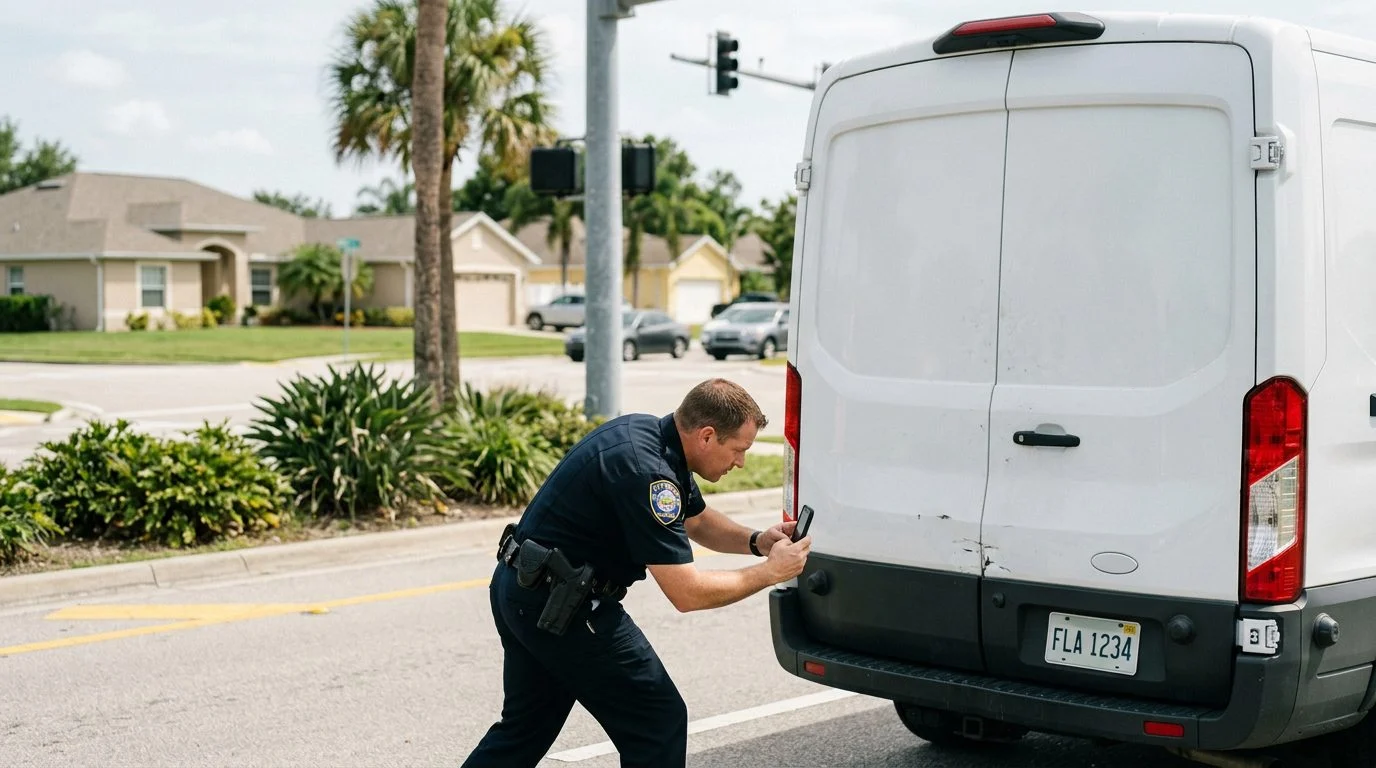
Causes are found by reviewing the facts and evidence in each case. That includes photos, records, video, and witness statements.
A common mistake is assuming an injury will heal on its own. Early records often make a difference later.
Not sure what your next step is?
Talk it through with our team — the first consultation is free, confidential, and carries no obligation.
What is a crash report, and why does it matter?
A Florida Traffic Crash Report is the official written record. A law enforcement officer prepares it after an investigation.
Under Florida’s crash report statute, the long-form report must be submitted within 10 days after the investigation is completed. This applies to crashes that cause death, personal injury, or any complaint of pain or discomfort.
The people in the crash, their legal representatives, and their insurers may access the report. It may not be shared with people who are not authorized to see it.
Florida also defines serious bodily injury in crashes. The crash involving death or injuries statute describes it as a condition that creates a substantial risk of:
- Death
- Serious personal disfigurement
- Long-term loss or impairment of the function of a body part or organ
The report is one piece of evidence. It does not replace medical care. Follow your doctors’ instructions for your treatment.
What should you do after an accident in Florida?
Get safe, get medical care, and keep records. Start with these steps:
- If anyone is hurt, call 911. Move to safety when you can.
- See a doctor and follow the care plan. Do this even if the pain seems mild at first.
- Take photos.
- Write down witness names and contact details, insurance details, vehicle information, and the report number.
- Keep receipts, appointment notes, and records of missed work.
Florida car insurance policies that meet state requirements must provide personal injury protection, or PIP.
Under the PIP statute, PIP medical benefits cover 80% of reasonable expenses for medically necessary care, up to a limit of $10,000 in medical and disability benefits. This applies if the injured person receives initial services and care within 14 days after the motor vehicle accident.
That 14-day window is a strong reason to act quickly. Acting early helps protect this benefit. No outcome can be promised.
How long do you have to file a claim in Florida?
For most negligence claims from accidents after March 24, 2023, Florida generally allows two years to file a lawsuit. The Florida limitations statute sets this general deadline.
Under Florida’s computation of time statute, the deadline generally starts when the last element of the claim occurs.
Florida also uses a modified comparative fault rule. Comparative fault means each person’s share of blame is weighed. Under Florida’s comparative fault statute:
- A person found more than 50% at fault for their own harm recovers nothing in a negligence action, but this does not apply to personal injury or wrongful death actions arising out of medical negligence under chapter 766.
- Under Fla. Stat. § 768.81(6), a person found greater than 50% at fault for their own harm may not recover any damages in a negligence action; this does not apply to medical negligence actions under chapter 766.
Deadlines are strict. Different claims can have different timelines. Contact a lawyer promptly so that deadlines are not missed.
Talk with CHG Personal Injury Lawyers about your accident
If you or a family member was hurt in an accident, a free consultation can help you understand your options.
CHG Personal Injury Lawyers is a Florida firm. Our attorneys are licensed in Florida and admitted to The Florida Bar. Igor Hernandez is the responsible lawyer for this page. The firm handles accident cases of every severity, from car crashes and falls to catastrophic injuries and wrongful death.
The first consultation is free, confidential, and carries no obligation to continue. La consulta inicial es gratuita, confidencial y sin compromiso de continuar.
CHG charges no attorney’s fees and no case costs unless there is a recovery. No se cobran honorarios de abogado ni costos del caso a menos que haya una recuperación.
Frequently asked questions
Is an accident always someone’s fault?
No. An accident is an unplanned event. A claim can exist when someone’s carelessness helped cause the harm.
Can I make a claim if the other person did not mean to hurt me?
Yes. Florida negligence claims focus on carelessness, not on a plan to cause harm.
Is there a deadline?
Yes. Florida deadlines are strict. Speak with a lawyer as soon as you can.
If a crash, a fall, or an attack left you or someone you love hurt, contact our team. We can talk through what may apply to your situation.
How Our Team Can Help
Listening First
We take time to understand what happened, how you are doing, and what matters most to your family.
Organizing the Facts
Our team helps gather the reports, records, and details that describe how the accident happened and how it affected you.
Clear Communication
We explain each step in plain language so you always know where your case stands.
Focused on Your Recovery
Our attorneys keep your medical care and daily life at the center of every decision we make together.
Be Careful Before You Speak With the Other Side
Insurance representatives may ask for a recorded statement or ask you to sign forms soon after an accident. Talk with a lawyer before you give statements or sign anything, and follow your doctors' instructions for your care.
Practical Steps After an Accident in Florida
Get Medical Care
See a doctor as soon as you can, even if you feel you have only minor pain. Some injuries appear hours or days later, and follow-up care matters.
Protect the Evidence
Keep photos, witness names, police report numbers, and receipts. Save the clothing, helmet, or other items involved in the accident.
Keep a Written Record
Write down how the accident happened, where you were hurt, and how it affects your work, sleep, and family life while the details are fresh.
Call a Lawyer
Contact CHG for a free, confidential consultation with no obligation to continue. We can explain your options under Florida law.